
Reviewed · FOOD & DRINK
Athens Private Walking Food Tour With Secret Food Tours
Athens Private Walking Food Tour with Secret Food Tours turns a short city walk into a meal with a story. You move from Monastiraki’s shops and market stalls to Roman ruins and the old Plaka area, tasting food tied to Greek family life, trade, and centuries of outside influence. The mix of food and history is the main draw.
I like that all tastings and lunch are included, so you can focus on eating rather than keeping track of small payments. I also like the private format, which lets the guide adjust the pace for your group, explain unfamiliar dishes, and work around different tastes. Guides such as Ilias and Thalia are known for warm, personal storytelling.
The main consideration is price: at $397.59 per person, this is a costly three-hour outing, especially for a larger group. You are paying for privacy, guiding, and a broad tasting menu, not simply for a quick plate of Greek food.
In This Review
- Key points at a glance
- Starting at Monastiraki Flea Market
- Koulouri and tiropita set the tone
- Athens Central Market brings food into view
- Olive oil, olives, fava, and tzatziki
- Roman Athens at Hadrian’s Library
- Plaka and the streets around the Acropolis
- What you will eat during the three hours
- Guide quality and the private format
- Who should book this food walk
- Timing, weather, and booking details
- Is the $397.59 price worth it?
- Should you book it?
- FAQ
- Where does the Athens private food tour begin?
- Where does the tour end?
- How long does the tour last?
- Is food included in the price?
- Is this a private activity?
- What happens if the tour is canceled because of weather?
Key points at a glance
- A private walk through central Athens: Only your group takes part, with a start and finish at Monastiraki Flea Market.
- A full Greek tasting menu: Expect koulouri, tiropita, seafood, tzatziki, fava bean purée, saganaki cesaria, olives, olive oil, galaktoboureko, and a secret dish.
- Market food with city context: The route connects shops, food stalls, Roman remains, and the old neighborhood around the Acropolis.
- Guides who add a personal touch: Ilias and Thalia are among the named Athens guides associated with the tour.
- A useful first-day activity: The three-hour format can help you get oriented and introduce foods you may want to seek out later.
- Weather and availability matter: The route and menu can change, and poor weather or low enrollment can lead to a new date or a refund.
Starting at Monastiraki Flea Market
The tour begins at Ifestou Street in Monastiraki Flea Market, one of the most useful meeting points in central Athens. It is close to public transportation and puts you right in the middle of a busy shopping district rather than at an isolated restaurant.
The area is known for clothing boutiques, souvenirs, specialty shops, and bargain hunting. At Avissinias Vintage Square, you may also see antiques and older household goods. That setting gives the walk a practical opening: you begin in a place where Athenians and visitors browse, shop, and pass through, then gradually move toward the food stops.
I like this start because it gives you immediate access to several parts of Athens at once. The streets around Monastiraki can feel crowded, and the market area may be noisy, so stay alert for the meeting point and allow time to arrive. The tour ends where it begins, which makes it easy to continue sightseeing or use public transportation afterward.
Because the activity is private, your guide can set a pace that suits your group. That matters if one person walks slowly, if you have children, or if some members want more time to ask questions. One family group included people with different walking speeds and food preferences, and guide Ilias was praised for keeping everyone together.
More food stops in Athens:
- Greek Food Walking Tour in Athens
★ 5.0 · 4,740 reviews - Athens: Street Food Tasting Tour
★ 4.9 · 2,557 reviews - Small Group Greek Traditional Food Tour in Athens 20+ Tastings
★ 5.0 · 1,759 reviews
Koulouri and tiropita set the tone
Early tastings include koulouri, the ring-shaped Athenian bread commonly sold as a quick breakfast or snack, and tiropita, a pastry filled with cheese. These are simple foods, but they give you a useful introduction to everyday Greek eating.
Koulouri is the kind of food that helps explain how people eat between errands. Tiropita shows the importance of thin pastry, cheese, and baked snacks in Greek cooking. A guide can also explain how familiar foods fit into local routines instead of presenting every dish as a grand restaurant specialty.
This is one reason I would take the tour near the beginning of a stay. You get a set of Greek food terms, flavors, and ingredients before ordering meals on your own. If you already know Greek cuisine well, these first tastings may feel basic, but they work as a warm-up for the wider menu.
The food is included in the tour price, which is helpful because you can sample several items without worrying about ordering too much at any one stop. The exact places and dishes can change based on availability, weather, and other conditions, so consider the published menu a guide rather than a fixed promise.
Athens Central Market brings food into view
The route continues toward a market selling locally sourced seafood, meats, fruits, and vegetables, along with street food. This is the most direct look at Athens as a food city. Instead of only eating prepared dishes, you see the ingredients that support daily cooking.
A market visit is valuable because it connects the plate to the source. Seafood, olives, vegetables, bread, cheese, and beans are not separate attractions here. They form the working vocabulary of Greek meals, and your guide can help explain what you are seeing and tasting.
The market may be active and crowded, so this section is not a quiet stroll. You should expect the sights, smells, and sounds of a working food area. That can be a plus if you want a real city setting, but it may be less comfortable for anyone who prefers polished restaurants or has difficulty walking through busy streets.
Fresh seafood is one of the listed tastings, giving the menu a useful contrast with pastries and vegetable dishes. The route also includes an olive and olive oil tasting, a chance to notice how much flavor can come from a product that is often treated as a minor ingredient elsewhere.
Olive oil, olives, fava, and tzatziki

The meal moves through several classic Greek flavors. You may taste olives and olive oil, fava bean purée, and tzatziki. Together, these dishes show how Greek food can be satisfying without relying on heavy sauces or elaborate presentation.
Fava is a smooth purée made from beans, while tzatziki brings a cool, creamy element to the meal. The combination of legumes, yogurt, herbs, olive oil, and vegetables gives the menu balance after the pastry and bread.
I especially like this part for people who think Greek food begins and ends with grilled meat. The menu gives space to vegetables, beans, dairy, seafood, and preserved foods. It also helps you identify the building blocks of a Greek table, which can make later restaurant meals easier to understand.
Dietary needs are not detailed in the supplied information, so you should raise allergies, restrictions, or strong dislikes when booking or before the walk begins. The tour is private, which may make discussion easier, but the food locations still determine what can be served.
Same city, a completely different century:
- Athens: Acropolis & up to 5 Archaeological Sites Combo Pass
★ 4.4 · 12,619 reviews - Athens: Acropolis Ticket with Optional Audio or Live Guide
★ 4.2 · 11,055 reviews - Athens: Acropolis, Parthenon & Acropolis Museum Guided Tour
★ 4.8 · 9,316 reviews - Athens: Cape Sounion & Poseidon Temple Sunset Half-Day Trip
★ 4.8 · 8,241 reviews
Roman Athens at Hadrian’s Library
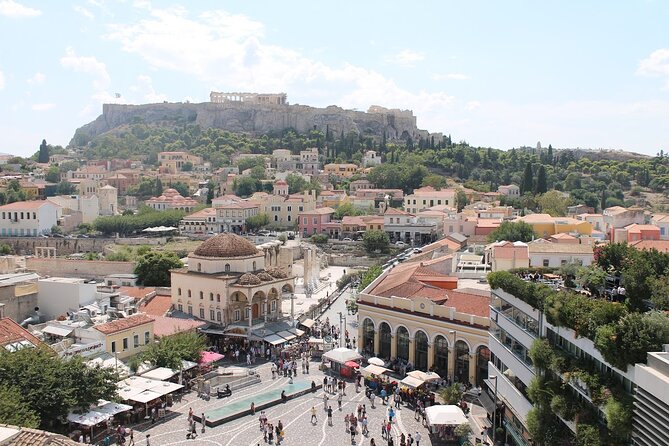
One stop brings the food walk into the city’s ancient past: the Roman ruins of Hadrian’s Library, built in 132 CE by Emperor Hadrian. The site was part of a larger cultural complex, and it offers a clear reminder that Athens has long been a place where ideas, trade, politics, and food traditions met.
This is not a separate archaeological tour, and the visit should be understood as a short historical pause within a food route. That balance works well. You do not spend the entire three hours in ruins, but you also do not eat your way through Athens without learning where you are.
The tour presents Greek cuisine as a tradition shaped by more than four thousand years of cooking, with influences connected to the Roman and Ottoman empires. That broad frame is useful, although a three-hour walk can only touch the surface. If ancient sites are your main interest, you will want a dedicated archaeological visit as well.
For most people, the stop adds meaning to the meal. Food traditions do not exist apart from the city around them, and Hadrian’s Library gives your guide a place to connect Athens’ older layers with modern life.
Plaka and the streets around the Acropolis
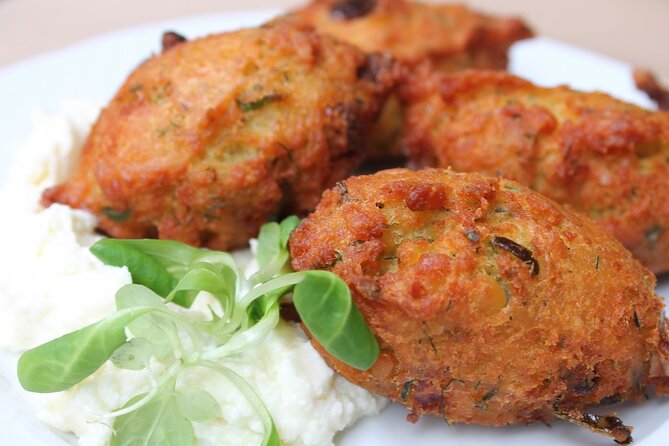
The walk reaches the old historical neighborhood clustered around the northern and eastern slopes of the Acropolis. This area is known for labyrinthine streets and neoclassical buildings, making it a pleasant change from the market’s commercial energy.
Here, the food stops are paired with a more intimate view of central Athens. Guides Ilias and Thalia have been praised for taking groups into small places that do not always look like restaurants from the outside. That approach suits the private format, since your guide can explain why a particular stop matters instead of simply pointing out a famous storefront.
The neighborhood is a good place for photos, and Thalia is known for helping groups find appealing spots for both pictures and food. The route may include streets that are uneven or crowded, so comfortable shoes are sensible. No transportation is included, but the activity is a walking tour and begins and ends at the same central meeting point.
Plaka can feel tourist-oriented in parts, yet the tour’s emphasis is on local food and smaller places rather than a standard sightseeing circuit. You should not expect an untouched neighborhood. You can expect a useful look at how old streets, shops, homes, restaurants, and archaeological remains sit close together in modern Athens.
What you will eat during the three hours
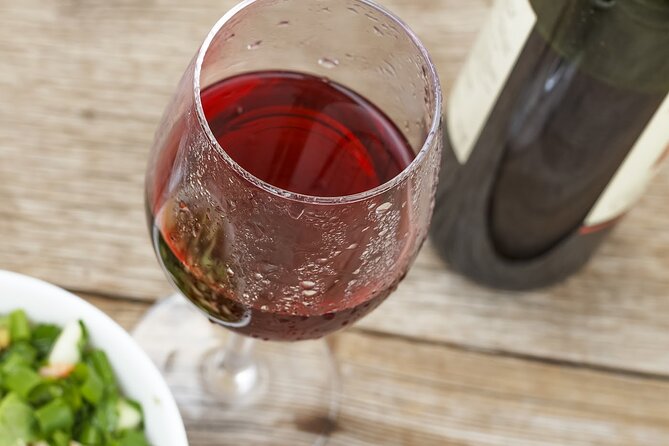
The included menu covers a wide range of Greek tastes:
- Koulouri, a sesame-covered Athenian bread
- Tiropita, a traditional cheese pastry
- Fresh seafood
- Tzatziki
- Fava bean purée
- Saganaki cesaria
- Olives and olive oil
- Galaktoboureko
- A secret dish
- Lunch
Saganaki cesaria is a savory cheese-based tasting, while galaktoboureko is a sweet pastry dessert. The menu moves from bread and pastry to seafood, dips, vegetables, cheese, olive products, and sweets. That variety is more important than any single item because it gives you a broad sense of Greek cooking in one sitting.
The secret dish adds a small element of surprise, but its contents are not specified. Do not book this expecting a precise restaurant menu. The operator notes that food and stops may change according to location availability and weather.
Since lunch is included, you should plan the tour as a substantial meal rather than a series of tiny samples. The exact portion sizes are not given, so it is safest to arrive hungry but not assume this replaces every meal of the day.
Guide quality and the private format
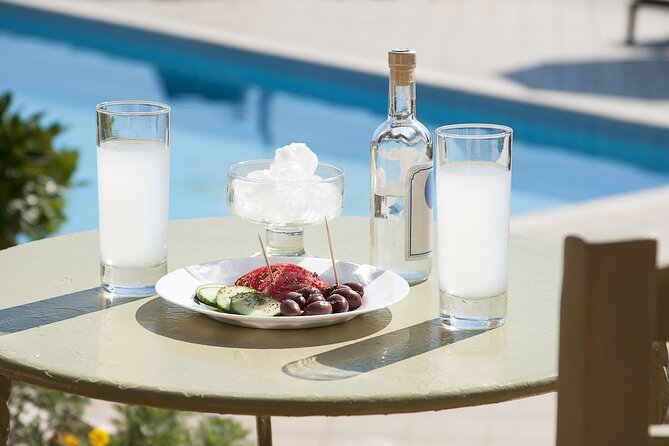
The guide can make or break a food tour, and the strongest part of this offering is the personal style associated with its Athens guides. Ilias is described as patient, warm, and eager to connect food with Greek culture. Thalia is noted for humor, local insight, and a strong sense of pride in Greek cooking.
Thalia has also guided groups in English while adding bits of German for a bilingual couple. That suggests some flexibility with language, but English is the language clearly supported by the available details. If you need another language, confirm it before booking rather than assuming it will be available.
A private tour is particularly useful for families and mixed groups. You do not have to match the pace or interests of a large public group. Your guide can spend more time explaining a dish, move on when everyone has eaten, or help keep different walking speeds together.
The tradeoff is cost. A private tour usually costs more than a shared food walk, and this one is priced at $397.59 per person. For a couple, that is a serious expense. For a group that values privacy and can use a group discount, the price may make more sense, but you should compare the total against the cost of booking a restaurant meal and a separate city walk.
Who should book this food walk
I would recommend it most strongly to:
- First-time visitors who want an introduction to Greek food and central Athens
- Families or friend groups with different walking speeds
- People who prefer private guiding to large group tours
- Curious eaters who want seafood, vegetables, olives, pastries, and dips in one outing
- Visitors who enjoy local stories as much as the meal
- Anyone looking for a food-focused activity that also passes Roman remains and old neighborhoods
It may be less suitable if you want a bargain activity, a long sit-down dinner, a fully fixed menu, or an extensive archaeological tour. The $397.59 price demands that you value the guide and private arrangement, not only the food itself.
The activity is listed as suitable for most people and is near public transportation. No separate transport is included, and no detailed accessibility information is provided. If your group has mobility concerns, ask for route details before booking.
Timing, weather, and booking details
The tour lasts about three hours and returns to the Monastiraki meeting point. That makes it easy to place on a first or second day in Athens, when the food tips and neighborhood orientation can shape the rest of your visit.
Confirmation is sent within 48 hours, subject to availability. The tour requires good weather, and the route or menu may change when conditions or local availability require it. If poor weather or minimum enrollment causes cancellation, you can receive a different date or a full refund.
You can cancel for a full refund up to 24 hours before the start time. Cancellations or changes made within 24 hours are not refunded. Gratuity is not included, so plan to tip separately if your guide gives you a helpful and enjoyable afternoon.
Is the $397.59 price worth it?
The answer depends on how much you value privacy. If you simply want to taste koulouri, tzatziki, olives, and pastries, you can spend far less in Athens. The price becomes easier to defend if your group wants a guide who can connect the food to Roman and Ottoman influences, adjust the pace, explain unfamiliar dishes, and lead you into places you would not find on your own.
The tour also replaces several decisions. You do not need to choose a market, find a good seafood stop, order enough food for everyone, or work out how the dishes fit together. That convenience has real value, especially during a short stay.
Still, the tour is only about three hours, and the exact menu can change. I would book it for the local guidance and the private structure first, with the food as the reward. If the cost would make you anxious throughout the meal, choose a shared food tour or eat independently instead.
Should you book it?
Book this Athens food walk if you want a personal introduction to Greek cooking, central market life, Plaka, and Roman Athens in one compact outing. It is particularly well suited to families and private groups, and guides such as Ilias and Thalia bring the warm, conversational style that makes a food walk feel personal.
Skip it if your top concern is low price or a guaranteed menu. For everyone else, this is a generous tasting route with useful city context, strong guide appeal, and enough variety to help you eat more confidently for the rest of your time in Athens.
FAQ
Where does the Athens private food tour begin?
It begins at Monastiraki Flea Market on Ifestou Street, Athina 105 55, Greece.
Where does the tour end?
The activity ends back at the Monastiraki meeting point.
How long does the tour last?
The tour lasts approximately three hours.
Is food included in the price?
Yes. Lunch and the listed tastings are included, including koulouri, tiropita, fresh seafood, tzatziki, fava bean purée, saganaki cesaria, olives, olive oil, galaktoboureko, and a secret dish.
Is this a private activity?
Yes. Only your group participates in the private tour.
What happens if the tour is canceled because of weather?
If poor weather causes cancellation, you will be offered another date or a full refund. You can also cancel up to 24 hours before the start time for a full refund.
More Athens walking tours
- Athens: Acropolis and Parthenon Guided Walking Tour
★ 4.6 · 5,882 reviews - Acropolis: Acropolis and Parthenon Guided Walking Tour
★ 4.7 · 3,442 reviews - Acropolis monuments & Parthenon Walking Tour with Optional Acropolis Museum
★ 5.0 · 2,678 reviews - Athens Acropolis and Parthenon Walking Tour
★ 4.5 · 1,355 reviews
Freshly added Athens trips
- Athens and Ancient Corinth Private from Athens★ 5.0 · 3 reviews
- From Athens: Mycenae and Epidaurus Private Tour★ 4.8 · 3 reviews
- Full day Meteora private tour★ 5.0 · 3 reviews
- Double Shore Dive (certified divers)★ 4.5 · 3 reviews
- Athens Hills: Mythology Treasure Hunt★ 5.0 · 3 reviews
- Sunset & swimming at Cape Sounio, Poseidon temple★ 5.0 · 3 reviews
- Philosophy Experience at Plato’s Academy Park – basic version★ 5.0 · 3 reviews
- Private Acropolis Tour – Ticket Included★ 5.0 · 3 reviews
Food & Drink, compared.


Small Group Greek Traditional Food Tour in Athens 20+ Tastings
Read our review →
Food Market Visit and Cooking Class with Wine
Read our review →
Athens Authentic Greek Food Walking Tour (Small Group)
Read our review →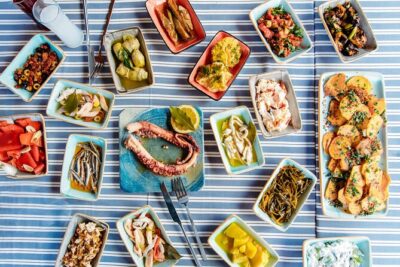

Browse the lists this tour appears in