
Reviewed · ACROPOLIS TOURS
Athens: Acropolis Guided Walking Tour without Entry Ticket
The most memorable part of this Acropolis walking tour is the way ancient temples, theaters, and myths come together in one compact hilltop site. You will pass through the Propylaea, look up at the Parthenon, and hear why Athena mattered so much to Athens. I like the small-group format and the chance to ask questions. I also like that the guide does not stop at dates and stones, but explains the legends tied to the ruins. The main catch is important: your Acropolis ticket is not included, so you must arrange it before the tour.
Spanish-speaking guides lead the experience, and Juan is one guide specifically praised for making the history and local stories easy to follow, even in the heat and crowds. You meet at street level by the Acropolis Metro station 10 to 5 minutes before departure. Since the ticket and tour timing must match, this is not a good activity to book casually at the last minute.
In This Review
- Key points at a glance
- Why a guide helps on the Acropolis
- Meeting at the Acropolis Metro station
- Walking through the Propylaea
- Seeing the Parthenon and Athena’s sacred hill
- The Theater of Dionysus and the birth of drama
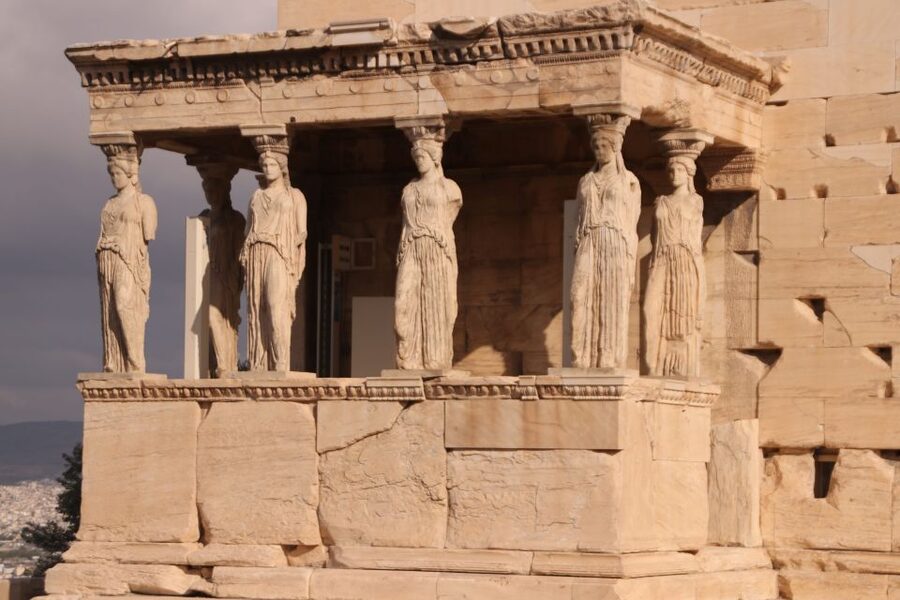
- The Erechtheion and its famous Caryatids
- Athena Nike and the smaller temples
- The Odeon of Herodes Atticus
- A Spanish-speaking guide and small-group pace
- What the $32.75 price really covers
- Matching your ticket to the tour time
- Who should book this Acropolis walk?
- Should you book it?
- FAQ
- Is the Acropolis entry ticket included?
- Where does the tour meet?
- How early should I arrive?
- What language is the tour in?
- How long does the tour last?
- Can I stay at the Acropolis after the guided tour?
- Are strollers and wheelchairs allowed?
Key points at a glance
- Two hours on the Acropolis: A focused guided walk through Athens’ best-known ancient site.
- Spanish commentary: Hear the explanations and mythology in Spanish, with time for questions in a small group.
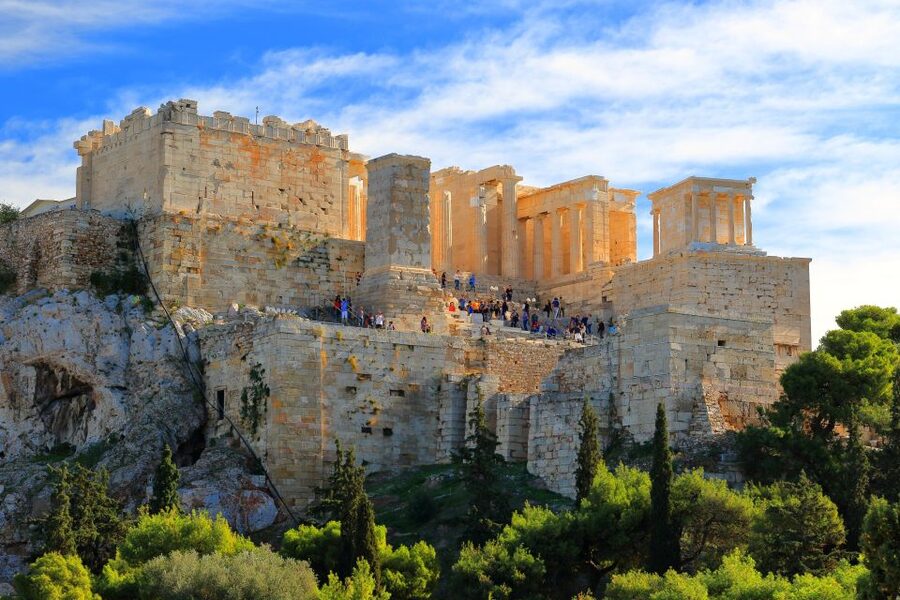
- Major monuments included: See the Parthenon, Propylaea, Erechtheion, Caryatids, Temple of Athena Nike, and ancient theaters.
- Ticket planning matters: The entry ticket is separate, and the required time slot changes with the tour departure and season.
- Free time afterward: After the guided walk, you may remain longer to explore at your own pace.
- Practical limits: Baby strollers, non-folding wheelchairs, and electric wheelchairs are not allowed.
Why a guide helps on the Acropolis
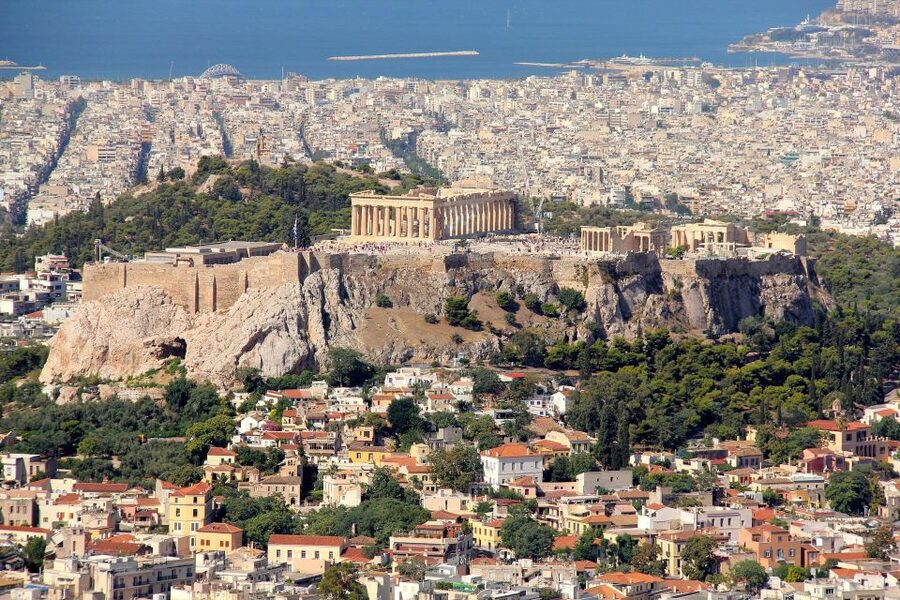
The Acropolis can look like a collection of marble columns if you arrive without context. A guide gives each ruin a role in the story of Athens. You learn why the hill was dedicated to Athena, how religious festivals shaped city life, and how Greek myths connect to the buildings around you.
I especially like the mix of mythology and archaeology here. The guide can point out the religious meaning behind the temples while also explaining what you are seeing physically. That balance keeps the walk from becoming a string of dry construction dates.
This is a walking tour rather than a museum visit, so the focus is on the open-air site and its major monuments. You will be outside for about two hours, moving across ancient stone surfaces and stopping at viewpoints and buildings. Good shoes are a sensible choice, and the supplied comments about heat make an early departure worth considering when available.
The tour is conducted in Spanish. That is a major benefit if you understand Spanish well, since complex stories about gods, heroes, and political power are easier to follow in your strongest language. It also means you should not book this particular departure expecting English commentary.
More Acropolis and Parthenon visits:
- Athens: Acropolis & up to 5 Archaeological Sites Combo Pass
★ 4.4 · 12,619 reviews - Athens: Acropolis Ticket with Optional Audio or Live Guide
★ 4.2 · 11,055 reviews - Athens: Acropolis, Parthenon & Acropolis Museum Guided Tour
★ 4.8 · 9,316 reviews
Meeting at the Acropolis Metro station
The meeting point is at street level by the entrance to the Acropolis Metro station. You should arrive between 10 and 5 minutes before the scheduled start. That small window is enough only if you already have your ticket organized and know where you are going.
The meeting point and the South Entrance ticket office are less than two minutes apart, but they are not the same place. This distinction matters. If you still need to buy your ticket in person, you are instructed to go to the ticket office area of the South Entrance about 30 minutes before the tour. After receiving your ticket, walk to the Metro meeting point.
I would not leave this task until the tour is about to begin. A line at the ticket office could make you late, and a late arrival can be especially stressful when the group is working to a fixed entry time. Buying online beforehand is the cleaner option.
The activity does not include hotel pickup or drop-off. You make your own way to the Acropolis Metro station, which keeps the price lower but puts the timing and route in your hands.
Walking through the Propylaea
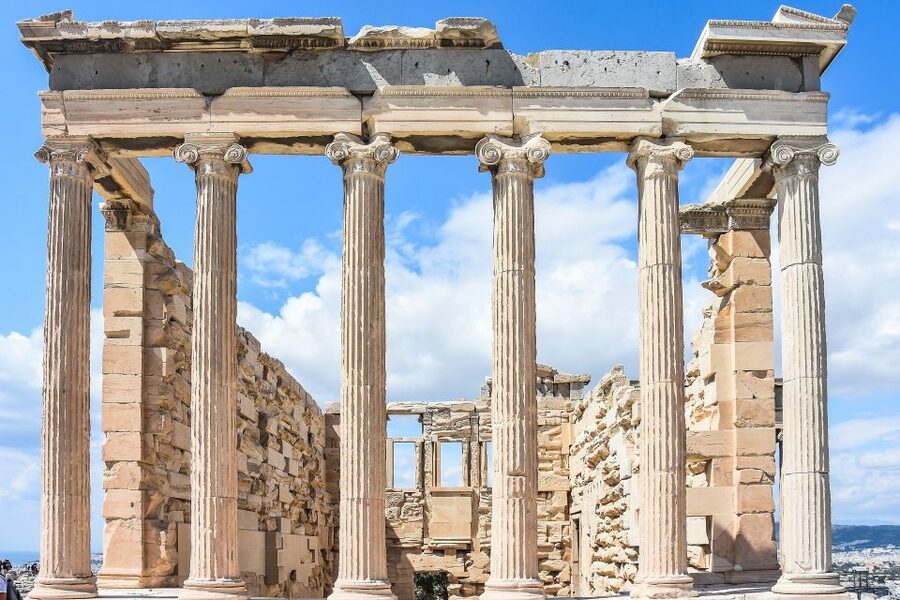
The Propylaea is the monumental gateway into the Acropolis. It is your visual introduction to the citadel, and it gives the hilltop a sense of ceremony before you even reach the Parthenon.
Your guide can explain how the gateway framed entry into a sacred place. Rather than simply walking through an old doorway, you begin to see the Acropolis as a religious center designed to impress worshippers and visitors.
The climb and uneven surfaces are part of the experience. The access restrictions are clear: baby strollers, non-folding wheelchairs, and electric wheelchairs are not permitted. If anyone in your group relies on one of those, this tour will not be suitable.
Once inside, the high position opens views across Athens. The focus remains on the ancient site, but the setting helps you understand why this hill mattered so much to the city below.
Seeing the Parthenon and Athena’s sacred hill
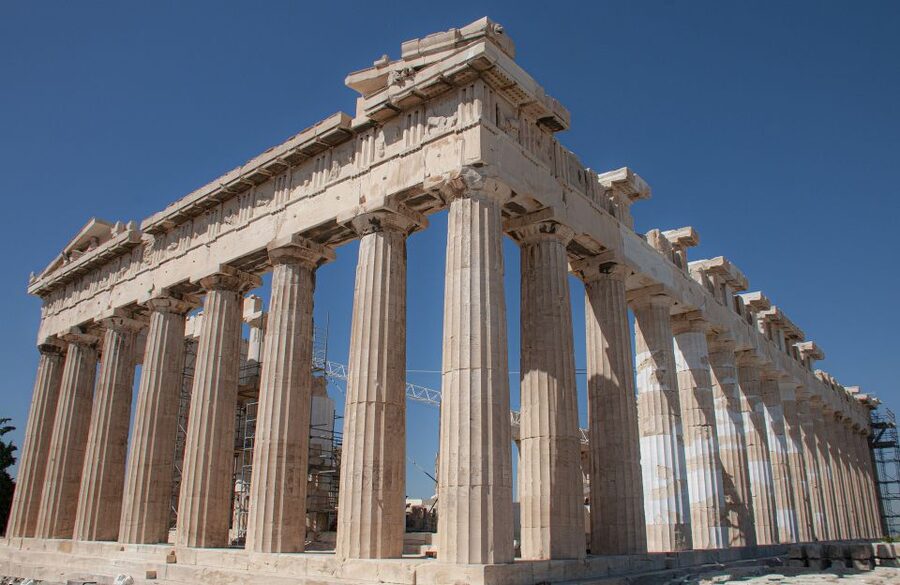
The Parthenon is the main reason most people come to the Acropolis, and the tour gives it a central place. Built for Athena, protector of Athens, it is both a temple and a symbol of the city’s religious and civic identity.
Your guide’s explanation is useful here because the building is not experienced as a complete ancient structure. You see its surviving columns, marble details, and ongoing remains, then use the guide’s story to picture its original purpose. The surrounding site also helps place the Parthenon within a larger sacred complex.
The emphasis is not only on architecture. The guide connects the monument to Greek gods and the myths that shaped ancient beliefs. That makes the visit more engaging for families and first-time visitors who may want a story they can remember, not just a list of names.
The Parthenon area can be busy, particularly during warmer months. One of the most practical advantages of a small group is the ability to ask a question or stay near the guide without becoming part of a large crowd. Still, do not expect solitude. The Acropolis is Athens’ most famous ancient attraction, and the site can feel crowded and hot.
More Athens walking tours:
- Athens: Acropolis and Parthenon Guided Walking Tour
★ 4.6 · 5,882 reviews - Greek Food Walking Tour in Athens
★ 5.0 · 4,740 reviews - Acropolis: Acropolis and Parthenon Guided Walking Tour
★ 4.7 · 3,442 reviews - Acropolis monuments & Parthenon Walking Tour with Optional Acropolis Museum
★ 5.0 · 2,678 reviews
The Theater of Dionysus and the birth of drama
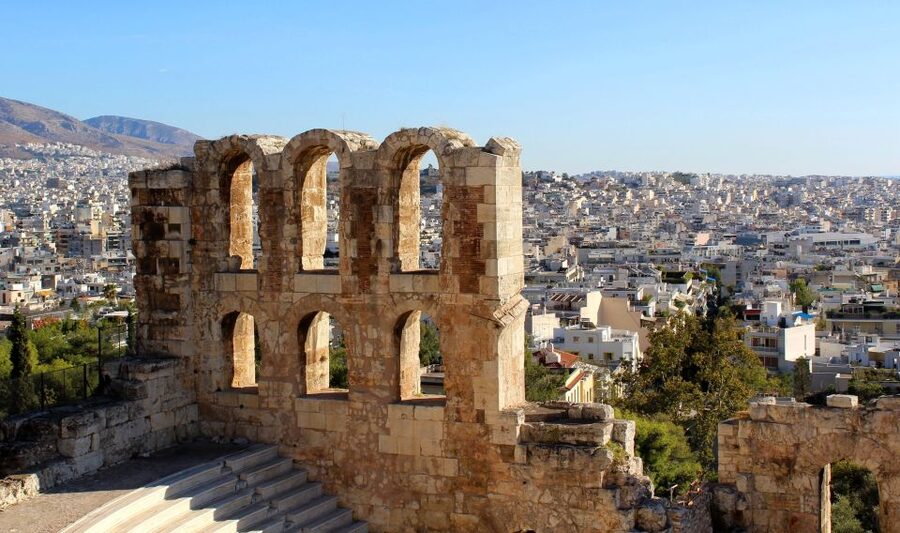
The Theater of Dionysus shows a different side of ancient Athens. This large theater held about 17,000 spectators and hosted festivals honoring Dionysus, the Greek god associated with theater and celebration.
The scale is striking. Standing among the stone seating helps you understand that drama was not a minor pastime. It was part of public and religious life, with thousands gathering for performances and festivals.
This stop adds welcome variety to the temples. You are not looking only at columns and sanctuaries. You are also seeing a place built for mass audiences, performance, and shared civic life.
The guide’s mythological commentary is especially useful at this point. Stories about the gods are woven into the purpose of the site, so the theater feels connected to the wider religious world of the Acropolis rather than like an unrelated ruin.
The Erechtheion and its famous Caryatids
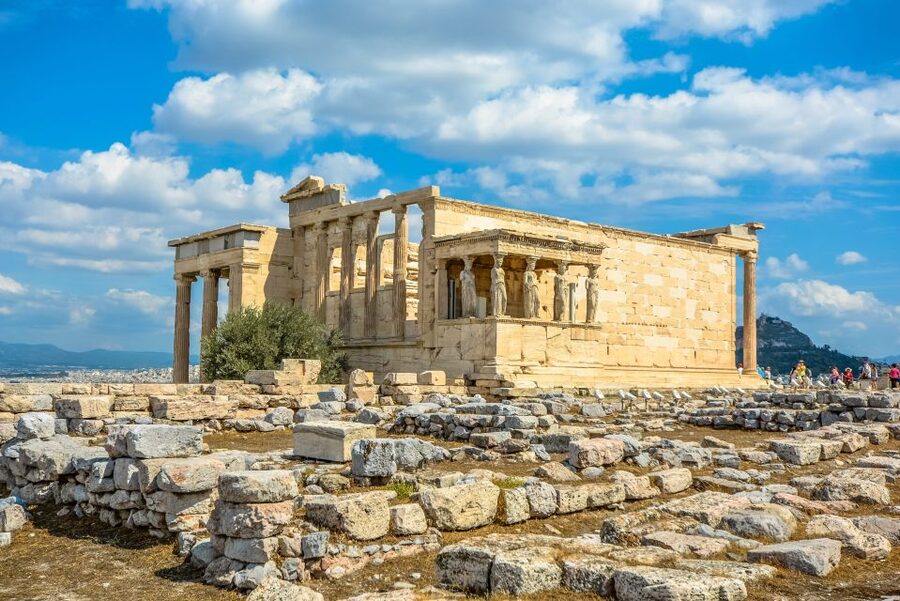
The Erechtheion is named after Erechtheus, a demi-god connected with Athens. Its unusual design and sacred associations make it one of the most interesting buildings on the hill.
The Caryatids are the feature most people remember. These sculpted female figures serve as architectural supports, creating one of the Acropolis’ most recognizable views. Your guide can explain what you are looking at and why these figures attract so much attention.
The Caryatids also reward a slower look. You can compare the figures, notice their posture and clothing, and appreciate how sculpture and architecture were combined. The word stone carvings does not quite capture their role: they are part of the building itself.
The site has complex myths connected with the city’s origin and its gods. This is one place where a Spanish-speaking guide can make a real difference. The names and relationships can become confusing when read from a short sign, but a spoken explanation gives you a clearer path through the story.
Athena Nike and the smaller temples
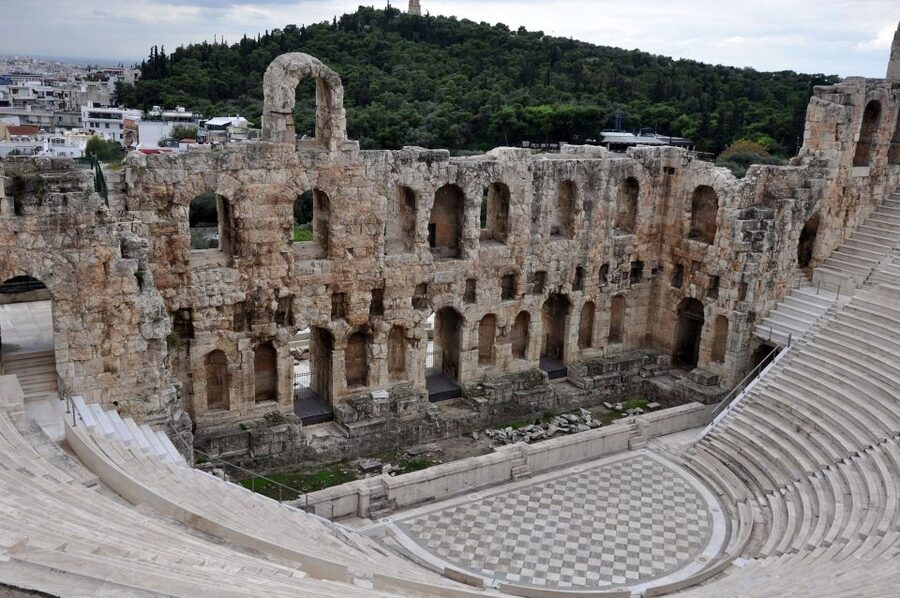
The Temple of Athena Nike is the smallest temple highlighted on the tour. Its modest size makes a useful contrast with the Parthenon. Not every important religious building needed to dominate the hill.
The temple was dedicated to Athena in her role as Nike, or victory. The guide’s comments help connect the small structure to the hopes and ambitions of ancient Athens. It is a good reminder that the Acropolis served several religious purposes, not just one grand temple.
You will also hear about the sanctuary of Asclepius, associated with healing. This broadens the visit again, showing that worship on the Acropolis involved more than city protection and military success.
These smaller sites are easy to pass without a guide. The major buildings naturally draw your eyes, while less imposing remains can fade into the background. A guided route helps make sure the overlooked pieces are part of the story.
The Odeon of Herodes Atticus
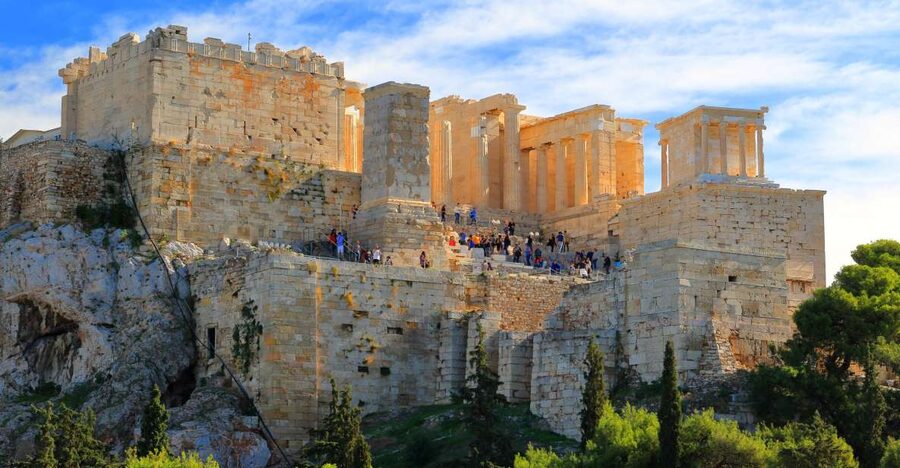
The Odeon of Herodes Atticus is a giant stone theater on the Acropolis slope. Its size and curved form make it one of the most impressive structures you will see during the walk.
Unlike the Theater of Dionysus, which reaches back to the early development of Greek drama, the Odeon reflects a later period of ancient Athens. Seeing both theaters gives you a sense of how performance spaces changed over time.
The building also makes a strong photo stop, though the exact experience depends on the crowd and the route used on the day. Your guide will explain its place in the history of the site and point out details that might otherwise be easy to miss.
The theater adds a human scale to the Acropolis. Temples can feel formal and distant, but a theater immediately suggests audiences, performers, music, and public gatherings.
A Spanish-speaking guide and small-group pace
The guide is the heart of this experience. The strongest praise has gone to clear historical explanations, detailed stories, and lively delivery. Juan, named in the feedback, was especially appreciated for combining history and local anecdotes in a way that stayed engaging despite heat and crowds.
You should treat that as a sign of the experience’s intended strength, not a guarantee that Juan will lead your departure. The tour information identifies Spanish as the available language, while guide assignment can vary.
A small group is useful on a site like this. You can ask about a particular carving, myth, or building instead of waiting for a guide to finish a speech meant for a large crowd. The format also makes it easier to stay connected as the group moves through the citadel.
The tour lasts two hours, which is enough for a well-paced introduction but not an exhaustive study of every ruin. If you want a specialist-level visit focused on architecture, restoration, or ancient religion, you may want more time. If you want the key sights explained without spending half a day on the hill, the length is sensible.
What the $32.75 price really covers
At $32.75 per person, the price covers the guided Acropolis walk and a licensed guide. It does not cover the entry ticket, transport, hotel pickup, or drop-off.
That makes the final cost higher than the advertised tour price. You need to add the official Acropolis admission when planning your budget. The value comes from the organization and Spanish commentary, not from bundled entry.
For many people, that is a fair trade. The Acropolis is the sort of place where a guide can turn a visually impressive visit into a meaningful one. You are paying to understand the Theater of Dionysus, the Caryatids, Athena Nike, and the myths behind the site rather than simply walking past them.
The separate ticket also gives you some control. You can arrange admission yourself and, after the guided portion, have free time to stay longer and look around at your own pace. The drawback is that you carry the responsibility for choosing the correct time slot.
Matching your ticket to the tour time
This is the most important booking detail. You must buy your Acropolis ticket before the tour, and the ticket time needs to match the departure period.
For the low season, from November 1 through March 31:
- For the 9:15 tour, buy a ticket for the 9:00 to 10:00 time slot.
- For the 2:30 p.m. tour, buy a ticket for the 2:00 to 3:00 time slot.
For the high season, from April 1 through October 31:
- For the 8:15 tour, buy a ticket for the 8:00 to 9:00 time slot.
- For the 5 p.m. tour, buy a ticket for the 5:00 to 6:00 time slot.
Availability can change. If you cannot find a ticket, the operator says it will help, but I would still check admission before finalizing your plans. If you buy at the ticket office, arrive at the South Entrance area around 30 minutes early to allow time for the line.
The early high-season departure is appealing if you want to reduce exposure to the midday heat. The late high-season departure may offer a different feel, but you still need to plan your ticket carefully.
Who should book this Acropolis walk?
I would choose this tour if you want:
- A two-hour introduction to the Acropolis
- Spanish-speaking historical and mythological explanations
- A small group rather than a large guided crowd
- Time to ask questions
- The freedom to stay longer after the guided visit
- A focused route covering the site’s major monuments
It suits first-time visitors especially well. The Acropolis has many names and ruins packed into a small area, and a guide gives you a clear order and a story to follow.
It is less suitable if you want a private tour, English commentary, hotel transportation, or a ticket-inclusive package. It is also a poor match for anyone using a non-folding or electric wheelchair, or bringing a baby stroller.
Should you book it?
Book this Acropolis tour if you value clear Spanish commentary, mythology, and a compact route through Athens’ essential ancient site. The guide’s detailed explanations, especially the blend of history and local anecdotes, are the main reason to choose it over walking in alone.
Before booking, confirm the departure time, language, and Acropolis ticket availability. Add the admission price to your budget, arrive early enough to handle the ticket process, and wear shoes suited to an uneven archaeological site.
If you want a guided first look followed by independent time, this is a practical choice. If you prefer complete flexibility or need an all-accessibility-friendly visit, make other plans.
FAQ
Is the Acropolis entry ticket included?
No. You must buy the Acropolis entry ticket separately, preferably online before the tour.
Where does the tour meet?
Meet your guide at street level by the entrance to the Acropolis Metro station.
How early should I arrive?
You should arrive between 10 and 5 minutes before the tour begins. If you still need to buy a ticket at the ticket office, go to the South Entrance area around 30 minutes before the tour.
What language is the tour in?
The live tour guide provides commentary in Spanish.
How long does the tour last?
The guided walking tour lasts two hours.
Can I stay at the Acropolis after the guided tour?
Yes. After the guided portion, you have free time to remain longer and explore the site at your own pace.
Are strollers and wheelchairs allowed?
Baby strollers, non-folding wheelchairs, and electric wheelchairs are not allowed.
Freshly added Athens trips
- Athens and Ancient Corinth Private from Athens★ 5.0 · 3 reviews
- From Athens: Mycenae and Epidaurus Private Tour★ 4.8 · 3 reviews
- Full day Meteora private tour★ 5.0 · 3 reviews
- Double Shore Dive (certified divers)★ 4.5 · 3 reviews
- Athens Hills: Mythology Treasure Hunt★ 5.0 · 3 reviews
- Sunset & swimming at Cape Sounio, Poseidon temple★ 5.0 · 3 reviews
- Philosophy Experience at Plato’s Academy Park – basic version★ 5.0 · 3 reviews
- Private Acropolis Tour – Ticket Included★ 5.0 · 3 reviews
Acropolis Tours, compared.

Acropolis & up to 5 Archaeological Sites Combo Pass
Read our review →

Acropolis, Parthenon & Acropolis Museum Guided Tour
Read our review →
Acropolis, Parthenon & Acropolis Museum Guided Tour
Read our review →


Acropolis monuments & Parthenon Walking Tour with Optional Acropolis Museum
Read our review →Browse the lists this tour appears in