
Reviewed · 4-DAY EXPERIENCES
4-Day Private Tour of Classical Greece from Athens
Thermopylae, Delphi, Olympia, Mycenae, and Corinth are not quick Athens side trips. This four-day private tour links them by road, with hotel pickup, Wi-Fi, bottled water, and a driver who can put the ruins into context. I especially like the chance to see Delphi’s Charioteer and Omphalos and then walk into Olympia’s ancient stadium the next morning. I also like the private format, since your group can set the pace and stop for views, coffee, and Greek meals.
The tradeoff is a packed schedule with long drives. The advertised price of $1,529.22 per person does not include three hotel nights, meals, or about €135 in site admission fees, so your real cost will be higher. Ask in advance about adding a licensed guide, since the included professional driver is not necessarily authorized to guide inside every museum and archaeological site.
In This Review
- Key points to know before booking
- What this four-day Classical Greece tour is really like
- Day one: Leonidas at Thermopylae and the oracle at Delphi
- Day two: Olympia and the birthplace of the Olympic Games
- Day three: Nafplio, Epidaurus, and Mycenae
- Day four: Acrocorinth, Corinth, and the canal
- What the $1,529 price does and does not cover
- Who should book this private Greece tour
- Should you book it?
- FAQ
- How long is the tour?
- Is hotel pickup and drop-off included?
- Can I be picked up at the airport or port?
- What language is the tour offered in?
- Are admission fees included?
- Is accommodation included in the price?
- Is a licensed guide included?
- Can I cancel for a full refund?
Key points to know before booking
- Thermopylae opens the trip with war, myth, and hot springs, including the King Leonidas monument and a museum about the 480 BC battle.
- Delphi combines mountain views with first-rate objects, including the Naxian Sphinx, Kleobis and Biton, Antinoos, and the famous Charioteer.
- Olympia gives you the clearest Olympic setting, with the stadium, temples, training grounds, and museums.
- Nafplio adds a welcome dose of modern Greek town life, with waterfront walks, old squares, gelato, loukoumades, and Palamidi fortress.
- Mycenae and Epidaurus make a powerful pair, linking Bronze Age legends with one of Greece’s finest ancient theaters.
- Corinth finishes with engineering and early Christianity, from the Temple of Apollo and St. Paul’s Bema to the Corinth Canal.
What this four-day Classical Greece tour is really like
This is best understood as a private road journey through mainland Greece and the Peloponnese, not a relaxed resort holiday. You cover a lot of ground, but the route brings together major places that are difficult to connect efficiently by public transport.
Your driver meets you in the lobby of your Athens hotel and returns you there at the end. Pickup can also be arranged at a port, with airport pickup available for an additional charge. An Airbnb meeting takes place at the building entrance after contact with the driver.
The vehicle includes Wi-Fi, bottled water, refreshing wipes, and handmade Greek biscuits. Those small touches matter on long road days. The tour is private, so only your group rides together. You do not have to wait for a large coach or follow strangers into every coffee stop.
The experience is offered in English. Professional drivers bring strong knowledge of Greek history, but a licensed guide for the archaeological sites and museums costs extra. I would budget for that addition if you want detailed explanations of architecture, sculpture, and mythology rather than transport and general commentary.
A previous description of the experience singles out Taz for his care, approachability, professionalism, and passion for Greek history. If he is available for your dates, you can ask the operator about requesting him. A named driver is never guaranteed, but it is a useful question to ask before paying.
A few more Athens days worth a look
- 4-Day Classical Greece Tour: Epidaurus, Mycenae, Olympia, Delphi, Meteora
★ 4.5 · 732 reviews - 4-Day Tour of Mycenae, Epidaurus, Olympia, Delphi & Meteora
★ 4.8 · 168 reviews - 4-Day Greece Highlights Tour: Epidaurus, Mycenae, Olympia, Delphi and Meteora
★ 5.0 · 79 reviews
Day one: Leonidas at Thermopylae and the oracle at Delphi
Thermopylae is a fitting first stop. The narrow passage was the scene of the famous 480 BC battle between Greek forces led by Leonidas of Sparta and the Persian army of Xerxes. The modern monument shows Leonidas with spear and shield, and the nearby museum focuses on the battle that later became a major symbol of Greek resistance.
The place also has a strong mythic side. The name Gates of Fire refers to the hot sulfur springs and, in Greek mythology, the cavernous entrances to Hades. The springs remain part of the area’s identity, with numerous recognized sources and hydrotherapy facilities focused on balneotherapy.
Do not expect Thermopylae to feel like a huge ruin complex. Its value comes from the setting, the story, the monument, and the contrast between military history and healing waters. If you want time to use the baths, confirm that before departure, since the full route leaves little spare room.
The road then turns toward Delphi. The schedule includes a hotel check-in in Delphi, breakfast, the ancient site, its museum, lunch overlooking Itea and Amfissa, coffee, shopping, and a later drive to Olympia. That is a lot for one day, and you should be ready for a late arrival.
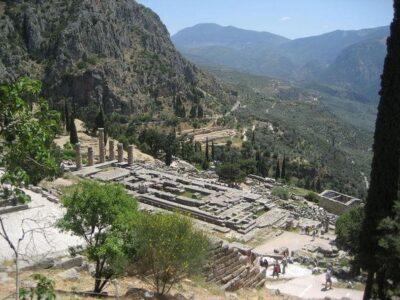
Delphi was the ancient Greek world’s sacred center, home of Pythia, the oracle consulted on major decisions. Greeks regarded it as the navel of the world, represented by the Omphalos stone. The ruins climb the slope, so comfortable shoes and water are sensible.
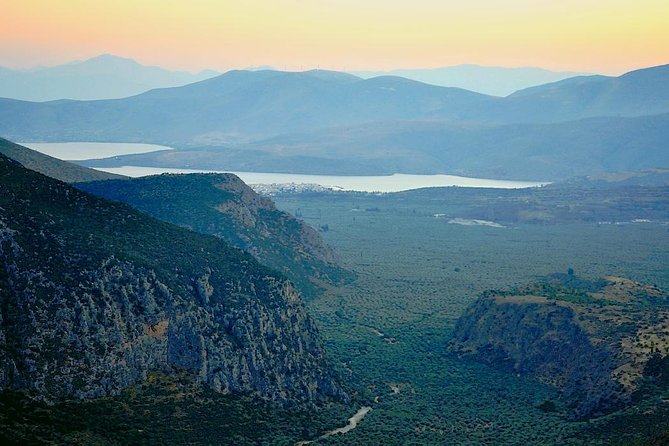
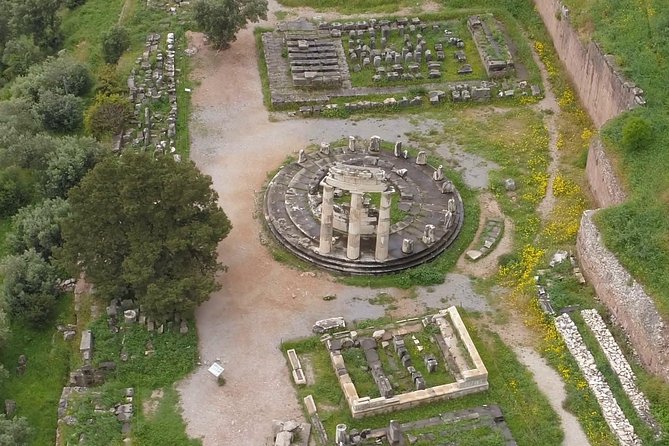
The sanctuary includes the Temple of Apollo, Ancient Theater, Stadium, Athenian Treasury, Gymnasium, and Sanctuary of Athena Pronaia. The setting is a major part of the experience. You look across mountain country toward the Gulf of Corinth, then down toward Itea and Amfissa from the village’s caldera-side restaurants.
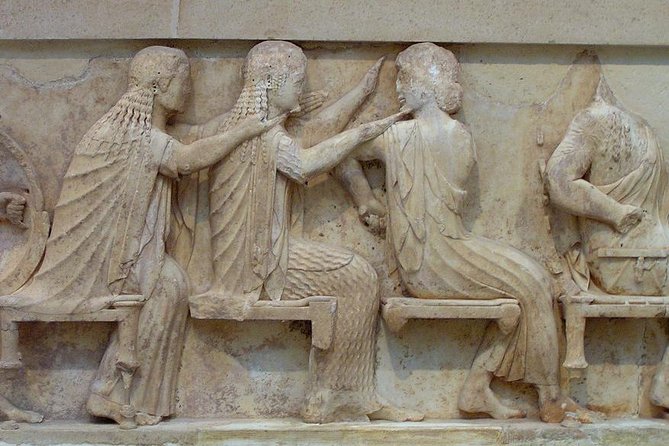
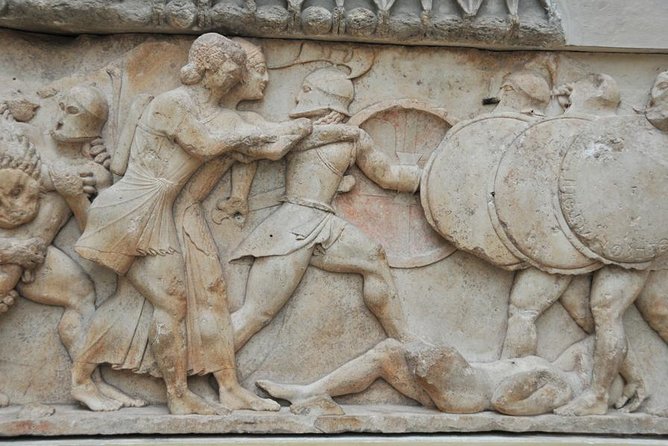
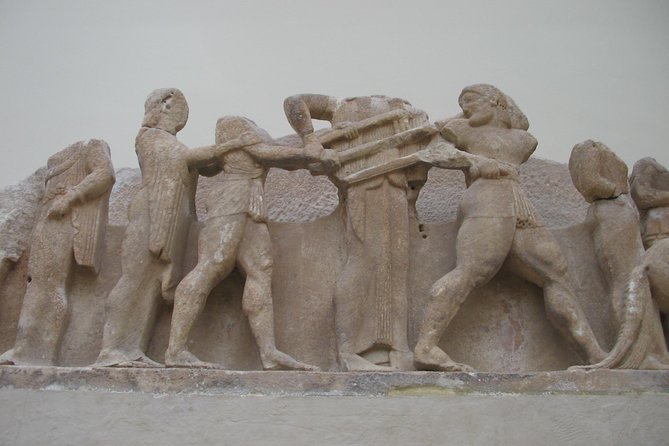
Give the museum real time. The Frieze of the Treasury of Sifnians and the metopes of the Athenian Treasury show how much story ancient sculpture could carry in a small space. The Naxian Sphinx, dated to 560 BC, is an especially memorable piece, with a lion’s body, bird wings, and a woman’s head.
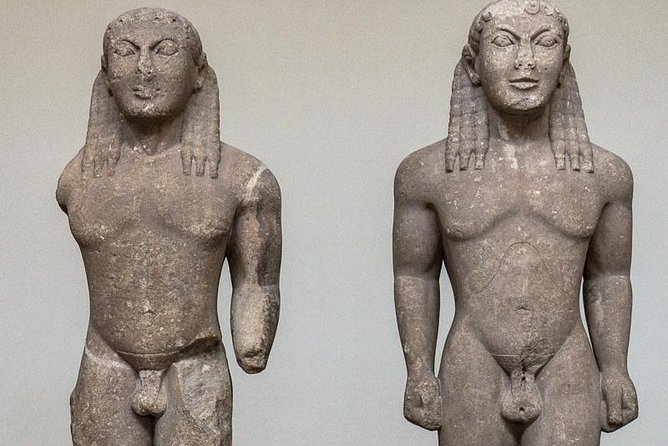
The kouroi Kleobis and Biton date to the late seventh century BC. The statue of Antinoos presents the beautiful young favorite of Emperor Hadrian as a god. The Charioteer of Delphi, part of a larger chariot group, is among the museum’s most famous works.
You may have time for coffee and handmade souvenirs in Delphi village, but shopping should remain secondary. The archaeological site and museum are the reason to come, and the drive to Olympia is substantial.
Day two: Olympia and the birthplace of the Olympic Games
Olympia deserves an early start. The sanctuary hosted the original Olympic Games, founded in the eighth century BC, and its ruins make the athletic world of antiquity easier to picture than a modern stadium ever could.
The archaeological site includes the Temple of Zeus, Temple of Hera, Philippeion, Palaestra, training areas, stadium, and Workshop of Pheidias. The Temple of Zeus was built in the second quarter of the fifth century BC and became a model of the mature Doric temple.
The Temple of Hera is older, dating to about 590 BC. In modern times, the Olympic flame is lit among its ruins in a ceremony tied to Apollo. The Philippeion is Olympia’s only circular building inside the Altis and was dedicated by Philip II of Macedon after his victory at Chaironeia. His son Alexander the Great completed it.
The Palaestra gives you a feel for daily athletic training. Boxing, wrestling, and jumping were practiced there. The stadium, reached through the site, is the place to pause and picture runners leaving the starting line without modern grandstands, loudspeakers, or electronic timing.
The Workshop of Pheidias adds a human touch. This was where the sculptor created the enormous gold-and-ivory Zeus, one of the Seven Wonders of the ancient world. The statue itself is gone, but the workshop anchors the story in a real building.
Next, use the Archaeological Museum of Olympia to make sense of the stones outside. It holds important finds from the sanctuary, including sculptures and architectural pieces. The famous Zeus statue described in the tour material is the legendary 13-meter figure, not an intact object you should expect to see in the museum, so ask your guide to explain which surviving works and fragments relate to the sanctuary’s sculpture program.
The Museum of the History of the Olympic Games in Antiquity adds another layer. It focuses on the games and the Olympic ideal, while the Museum of Archimedes in the village uses replicas of the mathematician’s inventions and lets you interact with them.
The village itself is a useful pause between site visits. You can browse handmade souvenirs and eat at La Belle Helene, noted for home-cooked Greek food and the warm hospitality of Konstantina. Meals are not included, so plan to pay separately and confirm the restaurant schedule with your driver.
After Olympia, the route continues to Nafplio for the night. The drive is shorter than some earlier legs, but you will already have spent a full day walking outdoors. This is one reason the private vehicle helps.
Day three: Nafplio, Epidaurus, and Mycenae
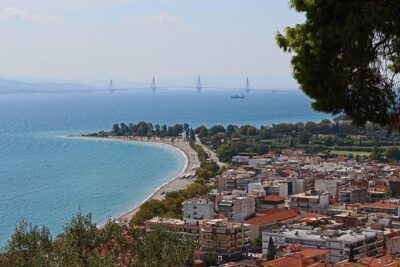
Nafplio is more than a sleepover between ruins. It was the first capital of the modern Hellenic Republic after the War of Independence, and its waterfront, cobbled streets, historic buildings, and fortress views provide a change of pace.
Palamidi Castle sits high above town on a 216-meter hill. The famous approach has 999 steps, so treat the climb as optional rather than a test of character. If you do climb, you get broad views over the Argolic Gulf. The tour also points out Freedom Square, Constitution Square, the former mosque that housed the first Hellenic Parliament, and the churches of St. Spyridon and Anastasios.
St. Spyridon carries a particularly grim piece of modern history. Ioannis Kapodistrias, the first Greek governor, was assassinated outside the church in 1831. Bourtzi, the Venetian fortress in the harbor, completes Nafplio’s fortified waterfront, though this tour does not promise a boat ride to it.
Leave room for small pleasures. Antica Gelateria di Roma is suggested for gelato, and Pergamonto for loukoumades, puffed dough balls served with honey or chocolate and almonds. These stops are not ancient history, but they help you experience Nafplio as a living town rather than a museum corridor.
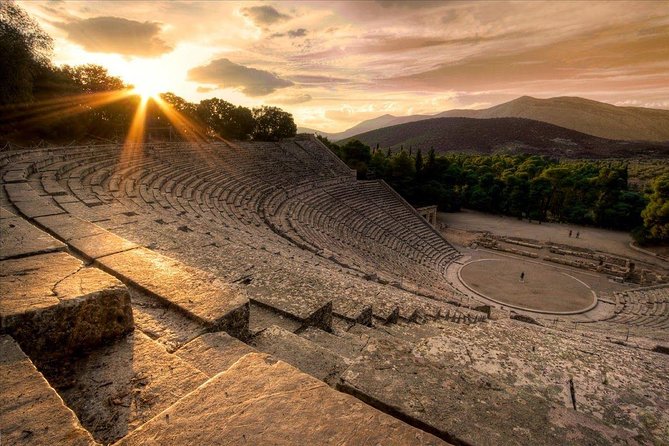
Epidaurus comes next. Its theater is famous for classical design and remarkable acoustics. A small sound made near the stage can carry to the highest seats, though you should follow site rules rather than drop objects simply to test the effect.
The theater was part of the sanctuary of Asclepius, the ancient demi-god of medicine. The wider site functioned as a medical retreat, with temples and treatment buildings. The archaeological museum helps explain the sanctuary through architectural pieces, inscriptions, and reconstructions.
The drive then continues to Mycenae, the Bronze Age center linked in legend with King Agamemnon. Here, the scale changes. You are looking at a fortified citadel built with enormous limestone blocks, later explained in myth as the work of Cyclopes.
The Lions Gate is the unforgettable entrance, erected in the 13th century BC. Grave Circles A and B mark royal burials, while the palace area includes domestic rooms, a throne room suite, a grand staircase, and administrative spaces.
The Treasury of Atreus is a large beehive-shaped tomb from around 1250 BC. The nearby Tomb of Clytemnestra is another tholos tomb from the same period. These structures make Mycenae more than a collection of broken walls. They show how power, burial, engineering, and legend came together.
The museum holds gold grave goods, masks, jewelry, weapons, religious figures, and frescoes. After a day at Epidaurus and Mycenae, you continue to Ancient Corinth or Loutraki. A late lunch or early dinner at a taverna overlooking the Temple of Apollo is a fitting end to the day.
Same city, a completely different century:
- Athens: Acropolis & up to 5 Archaeological Sites Combo Pass
★ 4.4 · 12,619 reviews - Athens: Acropolis Ticket with Optional Audio or Live Guide
★ 4.2 · 11,055 reviews - Athens: Acropolis, Parthenon & Acropolis Museum Guided Tour
★ 4.8 · 9,316 reviews - Athens: Cape Sounion & Poseidon Temple Sunset Half-Day Trip
★ 4.8 · 8,241 reviews
Day four: Acrocorinth, Corinth, and the canal
Acrocorinth is one of the most dramatic stops because the setting does much of the work. The ancient acropolis sits on a massive rock above Corinth, protected by three circuit walls and towers.
Inside, you can see the keep, Peirene Spring, traces of the Temple of Aphrodite, and a Frankish tower. Remains from later periods include churches, mosques, houses, fountains, and cisterns. From the summit area, the views reach across the Gulf of Corinth and toward the Geraneia Mountains and the southwest Peloponnese.
This stop is not a gentle stroll. The rock, fortifications, and uphill paths demand good footwear and steady legs. If you have mobility limits, ask the operator exactly how much walking is required before booking.
Ancient Corinth below gives you a different kind of history. The Temple of Apollo, built around 560 BC, has monolithic columns and is one of the earliest Doric temples on the Greek mainland. The Agora measures roughly 160 by 70 meters and includes shops, small temples, an altar, and the Bema, the platform from which Apostle Paul addressed the Corinthians in AD 52.
The archaeological museum displays objects from Corinth and nearby sites. You can also see the Lechaion road toward the ancient port, the theater, Odeon, Asklepieion, Roman buildings, and Hadgimoustafa Spring from the Ottoman period.
St. Paul’s Church adds a later religious layer, with a mosaic mural showing Saul’s vision of Christ on the road to Damascus. The tour also traces the ancient Diolkos, the passageway associated with moving vessels or cargo across the isthmus, before reaching the Corinth Canal.
The canal is a quick but worthwhile stop. Completed as a major 19th-century engineering project, it links the Gulf of Corinth with the Saronic Gulf and played an important role in Mediterranean trade. You then continue to Kechries Port, associated with St. Paul, and eat lunch by the Saronic Sea at the village of the Baths of Helen of Troy before returning to Athens.
What the $1,529 price does and does not cover
At $1,529.22 per person, this tour is not inexpensive. The private vehicle, hotel pickup and return, onboard Wi-Fi, water, snacks, and four days of transport account for much of the cost. A private trip also gives you control over the group and avoids arranging several difficult intercity connections.
But calculate the final bill carefully. Three nights of accommodation are not included, though hotel reservations can be arranged on request. Food and drinks are extra, and admission fees for Delphi, Olympia, Mycenae, Epidaurus, and Ancient Corinth are listed at €135 per person.
A licensed guide for the sites and museums is also extra. That addition could change the value calculation, but it may be worthwhile if ancient architecture and sculpture are central to your trip. Group discounts may help if you are booking for several people.
Who should book this private Greece tour
I would choose this for a small group that wants the major Classical Greece sites without renting a car or managing regional buses. It suits people who value a private vehicle, hotel pickup, flexible conversation, and a driver who can connect the places into one story.
It is less suitable if you prefer slow mornings, long afternoons at one site, or several free hours in each town. The route includes early starts, repeated hotel changes, long drives, and plenty of walking on uneven ground.
The tour is offered in English, and most people can participate. Service animals and pets are allowed. Since accessibility details are limited, ask directly about Acrocorinth, Palamidi, and the walking routes at Delphi and Olympia.
Should you book it?
Book this tour if you want to see Delphi, Olympia, Epidaurus, Mycenae, Corinth, and Thermopylae in one private circuit from Athens. The route is ambitious, but the cultural range is excellent: oracle, Olympic sanctuary, Bronze Age citadel, ancient theater, Roman Corinth, Christian history, and modern engineering.
Before booking, price the hotels, €135 admission charge, meals, and any licensed guide. Also ask how much time you will have at each site and who your driver will be. If you accept the busy pace and plan the extra costs, this is a strong four-day introduction to mainland Greece.
FAQ
How long is the tour?
The experience lasts approximately four days and includes three nights of accommodation arrangements, although those hotel costs are not included.
Is hotel pickup and drop-off included?
Yes. Pickup and return to your Athens hotel are included. Airbnb pickup takes place at the entrance of the building after contact with the driver.
Can I be picked up at the airport or port?
Port pickup is available. Airport pickup and drop-off require an additional payment, and the driver meets you at the gate with an Ancient Greece Tours sign.
What language is the tour offered in?
The tour is offered in English.
Are admission fees included?
No. Entrance fees for Delphi, Ancient Olympia, Mycenae, Epidaurus, and Ancient Corinth are listed at €135 per person.
Is accommodation included in the price?
No. Three nights of accommodation are not included, though hotel reservations can be arranged on request.
Is a licensed guide included?
No. The tour includes professional drivers with knowledge of Greek history. A licensed guide to accompany you inside the sites and museums can be added for an extra charge.
Can I cancel for a full refund?
You can receive a full refund if you cancel at least six full days before the experience start time. Cancellations two to six days before the start may receive a 50 percent refund, while cancellations less than two full days before the start are not refundable.
Freshly added Athens trips
- Athens and Ancient Corinth Private from Athens★ 5.0 · 3 reviews
- From Athens: Mycenae and Epidaurus Private Tour★ 4.8 · 3 reviews
- Full day Meteora private tour★ 5.0 · 3 reviews
- Double Shore Dive (certified divers)★ 4.5 · 3 reviews
- Athens Hills: Mythology Treasure Hunt★ 5.0 · 3 reviews
- Sunset & swimming at Cape Sounio, Poseidon temple★ 5.0 · 3 reviews
- Philosophy Experience at Plato’s Academy Park – basic version★ 5.0 · 3 reviews
- Corinth Canal, Ancient Corinth, Mycenae, Nafplio & Epidaurus Private Sightseeing★ 5.0 · 3 reviews
4-Day Experiences, compared.
4-Day Classical Greece Tour: Epidaurus, Mycenae, Olympia, Delphi, Meteora
Read our review →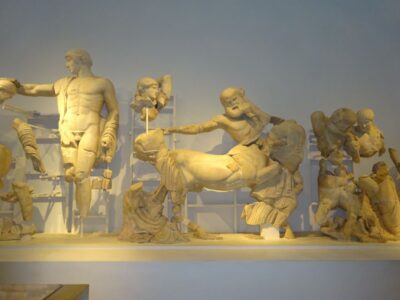
4-Day Tour of Mycenae, Epidaurus, Olympia, Delphi & Meteora
Read our review →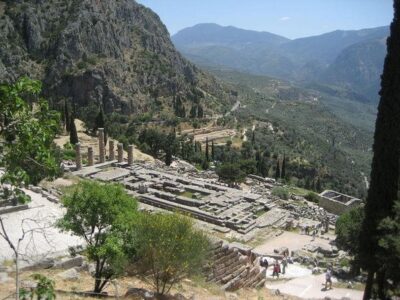
4-Day Greece Highlights Tour: Epidaurus, Mycenae, Olympia, Delphi and Meteora
Read our review →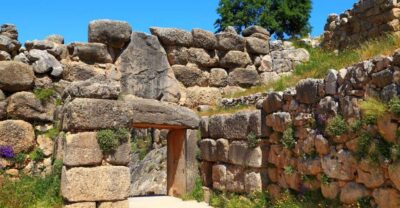
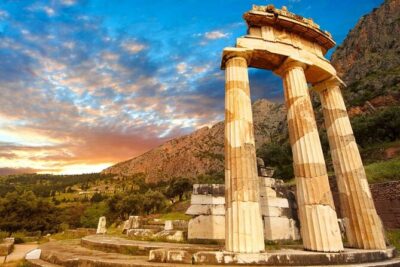
4day Spanish tour in Epidaurus Mycenae Olympia Delphi and Meteora
Read our review →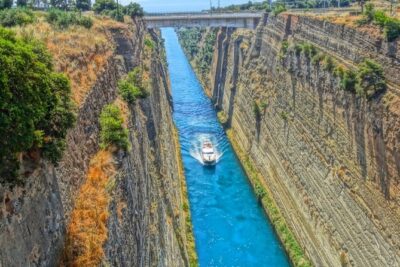
4 Day Private Tour, Mycenae, Nafplio, Olympia, Delphi, Meteora
Read our review →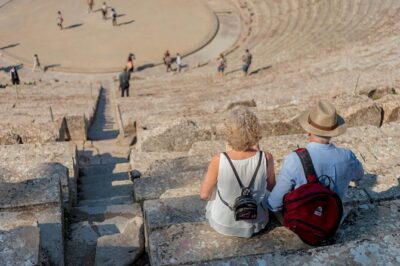
BEST 4-Day CLASSICAL GREECE: Corinth Epidaurus Delphi Meteora
Read our review →Browse the lists this tour appears in