
Reviewed · MYCENAE & EPIDAURUS TOURS
Private Mycenae, Anc Nemea & Nemean Winery Experience from Athens
Mycenae and Nemea give you two very different views of the Peloponnese in one long day. At Mycenae, you walk through the Lion Gate and among huge Bronze Age walls tied to Agamemnon. At Nemea, ancient temples and an Olympic-era stadium share the road with vineyards producing Agiorgitiko wine.
I like the private vehicle and hotel pickup, since you avoid a bus schedule and can adjust the pace with your driver. I also like the pairing of ruins with Palivou Winery, where the day shifts from archaeology to local wine and a terrace lunch near Ancient Corinth. The main drawback is the length: eight hours is a tight window for so many stops, and a licensed guide inside the sites costs extra.
In This Review
- Key points to know before booking
- Why this private Peloponnese day trip works
- The Corinth Canal is a useful first stop
- Mycenae puts Homeric legend beside real Bronze Age remains
- The Treasury of Atreus is worth the extra twenty minutes
- Ancient Nemea shifts the mood from citadel to open valley
- Palivou Winery brings Agiorgitiko into the story
- Lunch near Ancient Corinth closes the day well
- What the $312.76 price really buys you
- Which guide style suits this tour
- Practical advice for making the eight hours count
- Should you book this Mycenae and Nemea tour?
- FAQ
- Is hotel pickup included from Athens?
- Can I be picked up at the port?
- Is airport pickup included?
- Is the tour private?
- Is a licensed guide included?
- What extra fees should I budget for?
- What is the cancellation policy?
Key points to know before booking
- Mycenae combines a museum, citadel, royal tombs, and the Treasury of Atreus in one concentrated visit.
- The Corinth Canal makes an easy first stop, with time for photographs and the Mythical Peloponnese information center.
- Ancient Nemea adds a quieter archaeological setting, including the Temple of Zeus and a stadium with its original entrance tunnel.
- Palivou Winery provides a welcome change of pace, with an organic, family-run operation and Agiorgitiko wines.
- Your driver can shape the day around your interests, with past guides including Yannis, George, Manos, Tas, and Terry.
- The advertised price is $312.76 per person, but you should budget separately for the €20 Mycenae admission, €20 wine tasting, and any guide gratuity.
Why this private Peloponnese day trip works
This is not simply a transfer to one famous ruin. It is a full loop through the northeastern Peloponnese, linking engineering, mythology, Bronze Age archaeology, athletics, farming, and wine.
The private format matters here. You are not tied to the interests or walking speed of a large group. If you want more time at the Lion Gate, fewer minutes at the canal, or a short pause during the drive, you can ask. The guides are described as flexible, and Terry in particular is noted for having a plan while keeping the day centered on the group’s wishes.
Your driver is also expected to provide the historical background during the journey. That helps because the day contains several sites with similar-looking stone remains. A short explanation before arrival can make the difference between seeing a pile of columns and understanding why the place mattered.
The vehicle is described as first class, with Wi-Fi and bottled water. Pickup and drop-off are included from an Athens hotel, Airbnb, or apartment. Port pickup is also offered, while airport service costs extra. For a private day outside the city, that door-to-door service is a real part of the value.
More Mycenae and Epidaurus days:
- From Athens: Mycenae, Epidaurus & Nafplio Full Day Trip
★ 4.8 · 2,438 reviews - From Athens: Mycenae, Epidaurus & Nafplio Full-Day Tour
★ 4.5 · 1,580 reviews - 4-Day Classical Greece Tour: Epidaurus, Mycenae, Olympia, Delphi, Meteora
★ 4.5 · 732 reviews
The Corinth Canal is a useful first stop
The drive begins with pickup at your accommodation in Athens. The Corinth Canal is usually the first major pause, and you get about 30 minutes at the Isthmus.
The canal cuts through the narrow Isthmus of Corinth and marks the gateway to the Peloponnese. It was one of the major engineering projects of the 19th century, built to create a direct water route between the Gulf of Corinth and the Saronic Gulf.
You will have time to look down into the channel, take photographs, and visit the information center. The Mythical Peloponnese presentation adds a bit of regional context before you move farther south.
This stop is brief, so do not expect a long museum visit or a full history lesson. Its value is its location and scale. From the bridge, you can grasp how dramatically the canal slices through the land. If you have already visited the canal, the private setup may let you request a nearby alternative. One group was taken to see the only remaining pulley road for boats instead, a useful example of how the route can be adjusted.
Mycenae puts Homeric legend beside real Bronze Age remains
Mycenae is the main archaeological stop and deserves the largest share of your attention. The citadel is linked with King Agamemnon, the legendary leader of the Greeks in the Trojan War, but the site is also important for what it reveals about the late Bronze Age.
Start at the Archaeological Museum of Ancient Mycenae. You get around 30 minutes here. The displays include gold objects, burial masks, jewelry, bronze weapons, worship figures, grave goods, and pieces of frescoes.
The museum gives you a useful key to the ruins. You can see the kinds of objects recovered from the royal cemeteries before walking through the citadel where Mycenae’s elite once lived and ruled.
Next comes the archaeological site itself, with about an hour to explore. The Lion Gate is the first great sight. Built in the 13th century BC, it served as the main entrance to the fortified citadel. The carved lions above the gateway are instantly recognizable, but the real impact comes from standing beneath the enormous blocks around it.
Those walls are often called Cyclopean because later Greeks believed only the Cyclopes could have moved such huge limestone stones. You do not need to accept the myth to appreciate the engineering. The masonry is massive, irregular, and built to intimidate.
Inside the citadel, you see the remains of royal and administrative areas, including the palace complex, throne room suite, grand staircase, forecourt, and rooms used by officials. Much of the site is exposed, so bring protection from the sun in warm weather and wear shoes suited to uneven ground.
The Grave Circles are another important part of the visit. Grave Circles A and B were royal cemeteries, with Circle A located inside the citadel near the Lion Gate and Circle B outside the main fortifications. The burial finds are the reason Mycenae became known for its gold.
The Tomb of Clytemnestra is a tholos tomb outside the main citadel. This beehive-shaped burial structure is associated with Agamemnon’s wife and gives you a chance to see a different type of Mycenaean construction.
The Treasury of Atreus is worth the extra twenty minutes
A short stop at the Citadel and Treasury of Atreus follows Mycenae. Allow about 20 minutes.
The Treasury of Atreus is also called the Tomb of Agamemnon. It dates to around 1250 BC and has a tall, carefully built beehive chamber reached through a long entrance passage.
The tomb is not just another ruin to check off. Its scale and interior shape show the skill of Mycenaean builders. Stand inside for a moment and look up at the rings of stone forming the dome. The visit is short, but this is one place where a few quiet minutes can be more rewarding than a rushed explanation.
The Mycenae admission fee is listed separately at €20 per person. A licensed guide who enters the museum and archaeological sites with you is also available at an additional cost. Your driver provides historical information, but a licensed guide is the better choice if detailed interpretation inside the ruins is your priority.
More Nemea wine days:
- Mercedes Private Tour Nafplio, Corinth Canal, Nemea Wine Tasting
★ 5.0 · 142 reviews - Wine Trails Private Tour/ Nemea visit 3 wineries from Athens or Nafplion (10 h)
★ 5.0 · 44 reviews - Premium Nemea Wine Tour from Athens, Nafplio or Nemea, with Oenologists
★ 5.0 · 22 reviews - Wine Roads Private Day Tour: Corinth – Ancient Nemea & Wine Tasting
★ 5.0 · 15 reviews
Ancient Nemea shifts the mood from citadel to open valley
After Mycenae, the route moves toward Nemea, a region of low hills and vineyards. This is where the day broadens beyond Mycenaean archaeology.
Nemea is linked to the story of Hercules and the Nemean lion. It is also one of the few places where a major ancient sanctuary and a working wine region sit so close together.
The Temple of Zeus is the focal point. It dates to the 4th century BC and was part of the Macedonian building program at the sanctuary. Three columns have remained standing since antiquity, giving the temple an uncluttered and memorable profile.
Nearby are the ancient baths, built for athletes at the Panhellenic sanctuary. They remind you that the site was not only a religious center. Athletes and visitors needed places to wash, prepare, and recover.
The archaeological site of Ancient Nemea includes the stadium, which was built around 330 BC. Its track measures 178 meters, and a stone water channel borders it. The stadium could hold about 40,000 spectators.
Your 20-minute visit includes the apodyterium, where athletes undressed, oiled their bodies, and prepared for competition. You also enter the stadium crypt, a passage more than 36 meters long that leads athletes from the sanctuary into the stadium.
The tunnel is one of the most memorable parts of Nemea. Names of ancient athletes and dedications to Nike, the goddess of victory, can be seen on the walls. The track retains its starting grid, including toe grooves cut into the stone blocks.
Twenty minutes is enough for a quick look, but it is not generous if you want to study every feature or spend time imagining the games. If athletics and ancient sport interest you, ask your driver about the timing before the day begins. The private format gives you a better chance of adjusting the schedule than a fixed group excursion.
Palivou Winery brings Agiorgitiko into the story
The visit to Ktima Palivou lasts about one hour and 15 minutes. It is more than a tasting room stop. Palivou is a certified organic winery run by a multigenerational winemaking family.
You can expect a walk through the vineyard and a look at the area where the wines age before tasting. The winery produces Agiorgitiko, the grape most closely associated with Nemea, along with other wines recognized on wine lists across Greece.
This pause works well after several archaeological sites. You have time to sit, taste, and ask questions rather than keep moving from one stone monument to the next. The setting also helps explain why Nemea has become a day trip for both archaeology fans and wine lovers.
The tasting costs €20 per person and is paid locally. It is not included in the tour price, so add that amount to your budget. You should also decide before booking whether everyone in your group wants the tasting, since the winery is a central part of the planned route.
The wine stop may be the strongest reason to choose this tour over a basic Mycenae excursion. You do not just see the region’s vineyards from a car window. You connect the local soil and farming tradition with a specific Greek wine.
Lunch near Ancient Corinth closes the day well
On the return toward Athens, the route stops at Ancient Corinth for lunch. The meal is described as a village-style lunch on a terrace overlooking the archaeological site and the Temple of Apollo.
That view gives lunch a sense of place. You are not stopping at an anonymous roadside restaurant. You are eating beside one of the region’s major ancient centers, with the Temple of Apollo in view.
The lunch is described as a complimentary bonus, but the supplied details do not specify every dish or whether drinks beyond the planned wine tasting are covered. Ask for current inclusions when you reserve.
Ancient Corinth itself is not given a long formal sightseeing block in the schedule. Think of this as a scenic meal stop rather than a complete visit to the archaeological site. If Corinth is a high priority for you, ask whether time can be adjusted to include more exploration.
The final drive back to Athens takes about one hour and 10 minutes. Door-to-door return service means you do not have to arrange a taxi from a distant drop-off point.
What the $312.76 price really buys you
At $312.76 per person, this is not a budget day trip. The price makes more sense when you consider that the tour is private and includes a first-class vehicle, hotel or port pickup, bottled water, Wi-Fi, and a driver who can adapt the route.
A larger group may find the per-person price easier to justify. For two people, it is a sizable day-trip expense. For families or friends who would otherwise book several seats on a fixed coach tour, the privacy and flexibility may close the gap.
Plan for the added costs:
- Mycenae admission: €20 per person
- Palivou Winery tasting: €20 per person
- Airport pickup and drop-off: extra
- Licensed guide: extra if requested
- Tips and gratuities: not included
The site admission details supplied specifically mention Mycenae. Ask about any current Ancient Nemea or other archaeological fees before departure, since they are not clearly itemized here.
The strongest value comes from the range of the day. You get a famous Bronze Age site, a museum, two types of ancient tombs, the Corinth Canal, a Greek athletic stadium, a winery, and lunch with a major ruin in view. If you want a slow, scholarly visit to each location, this is not the right format. If you want a broad and comfortable introduction to the northeastern Peloponnese, it earns its price more easily.
Which guide style suits this tour
The driver makes a major difference because so much of the day is spent on the road. The named guides connected with this experience include Yannis, George, Manos, Tas, and Terry.
You should expect a guide who explains the story of each place before arrival, helps you understand what you are seeing, and leaves room for photographs and independent exploration. Manos is specifically noted for giving people enough time to explore ruins, take pictures, or enjoy the wine. George is described as willing to shape the day around the sights that mattered most to the group.
Terry’s approach sounds particularly useful for a private tour: he kept a clear plan but was open to schedule changes and extra stops. Yannis also adjusted the route when a group had already seen the Corinth Canal.
When booking, tell the operator if you want more archaeology, more time at the winery, or a longer lunch. A private tour works best when your priorities are clear before the vehicle arrives.
Practical advice for making the eight hours count
Start with realistic expectations. The day contains many stops, but several are short. Mycenae gets the most time, while the stadium at Ancient Nemea gets about 20 minutes and the Treasury of Atreus about 20 minutes.
Wear comfortable shoes. The citadel, tombs, and stadium involve uneven surfaces and outdoor walking. You will also spend much of the day outside, so water, sun protection, and a hat are sensible additions even though bottled water is provided.
The tour is offered in English. Most travelers can participate, and service animals and pets are allowed according to the supplied information. Pickup is arranged at your hotel lobby, while Airbnb guests meet the driver at the building entrance. Airport and port pickups use the arrivals area and a sign with the guest’s name, but airport transfers cost extra.
Free cancellation is available up to 24 hours before the start time. Changes or cancellations inside that window are not accepted for a refund.
Should you book this Mycenae and Nemea tour?
Book it if you want to see several major sites without renting a car, changing hotels, or managing Peloponnese roads yourself. It suits couples, families, and small groups who value a private vehicle and want the freedom to adjust the pace.
It is especially appealing if you like both ancient sites and local food or wine. Palivou Winery keeps the day from becoming a sequence of ruins, while the lunch terrace at Ancient Corinth adds a strong final setting.
Think twice if you want a slow visit with long time inside every museum and sanctuary. The route is ambitious, and the eight-hour schedule demands some restraint. For most people, though, this is a smart way to connect Mycenae’s heroic Bronze Age world with Nemea’s temples, athletics, vineyards, and modern Greek hospitality.
FAQ
Is hotel pickup included from Athens?
Yes. Pickup and return are included from an Athens hotel, Airbnb, or apartment. Hotel guests meet the driver in the lobby, while Airbnb guests meet at the entrance of the building.
Can I be picked up at the port?
Yes. Port pickup and drop-off are offered. The driver meets you in the arrivals area with a sign showing the guest’s name.
Is airport pickup included?
Airport pickup and drop-off are available at an additional cost. They are not included in the standard tour price.
Is the tour private?
Yes. Only your group participates, and the tour uses a private first-class vehicle.
Is a licensed guide included?
No. The tour includes professional tour drivers with strong knowledge of Greek history. A licensed guide who accompanies you into the sites and museum can be arranged for an additional cost.
What extra fees should I budget for?
Mycenae admission is listed as €20 per person, and the Palivou wine tasting costs €20 per person, paid locally. Tips, gratuities, airport transfers, and a licensed guide are also extra.
What is the cancellation policy?
You can cancel up to 24 hours before the experience begins for a full refund. Cancellations or changes made less than 24 hours before the start time are not accepted for a refund.
More wine tastings around Athens
- Athens: Classic Cooking Class with Market Visit and Wine
★ 5.0 · 1,101 reviews - Athens: Food Market Visit and Cooking Class with Wine
★ 4.9 · 1,087 reviews - Athens: Swimming Cruise with Lunch, Wine & Live DJ on Board
★ 4.6 · 1,085 reviews - Best rated Acropolis Wine Tasting
★ 5.0 · 568 reviews
Freshly added Athens trips
- Athens and Ancient Corinth Private from Athens★ 5.0 · 3 reviews
- From Athens: Mycenae and Epidaurus Private Tour★ 4.8 · 3 reviews
- Full day Meteora private tour★ 5.0 · 3 reviews
- Double Shore Dive (certified divers)★ 4.5 · 3 reviews
- Athens Hills: Mythology Treasure Hunt★ 5.0 · 3 reviews
- Sunset & swimming at Cape Sounio, Poseidon temple★ 5.0 · 3 reviews
- Philosophy Experience at Plato’s Academy Park – basic version★ 5.0 · 3 reviews
- Private Acropolis Tour – Ticket Included★ 5.0 · 3 reviews
Mycenae & Epidaurus Tours, compared.
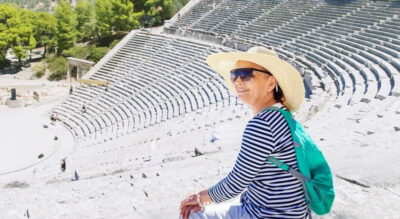
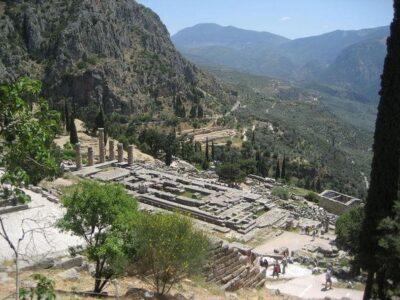
4-Day Classical Greece Tour: Epidaurus, Mycenae, Olympia, Delphi, Meteora
Read our review →
Ancient Corinth & Nafplio Full Day Trip with Swim
Read our review →
Mycenae and Nafplion Day Trip from Athens with Official guide
Read our review →
3-Day Classical Greece Tour: Epidaurus, Mycenae, Nafplion, Olympia, Delphi
Read our review →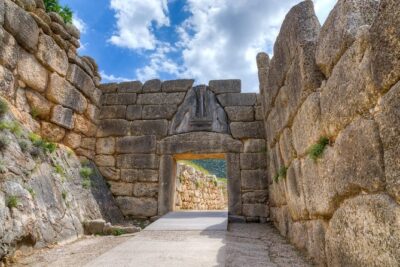
Mycenae, Epidaurus, Nafplio Full Day Private Tour from Athens
Read our review →Browse the lists this tour appears in