
Reviewed · ANCIENT CORINTH TOURS
8 Days Apostle Paul tour/Neapolis, Philippi, Veria,Thessaloniki, Athens,Corinth
Paul’s route across Greece is only part of the story here. This private eight-day drive also links Meteora’s cliff monasteries, Alexander the Great’s Macedonian world, Delphi, Corinth, and Athens. You move from Orthodox shrines to Roman ruins and mountain villages, with long stretches of Greece between them.
I like the flexible schedule, which lets you stop for photographs, coffee, food, or a quiet village instead of being pushed from one timed visit to the next. I also like the human touch: Nikolaos, known as Nikos, has been praised for careful driving on narrow mountain roads, a clean and spacious vehicle, thoughtful hotel choices, and restaurant recommendations. The main drawback is that the advertised price does not include your accommodation or entrance tickets, and eight days is a brisk pace for this much ground.
In This Review
- Key points to know before booking
- What this eight-day route really covers
- Day 1: Thermopylae, Trikala, and Meteora at sunset
- Day 2: Monasteries, Vergina, Berea, and warm springs
- Day 3: Pella and the many eras of Thessaloniki
- Day 4: Philippi, Lydia, and the road to Kavala
- Day 5: Amphipolis, Dion, and Mount Olympus
- Day 6: Delphi and the long return south
- Day 7: Livadia, Boeotia, and Ancient Corinth
- Day 8: Corinth Canal, Athens, and Paul’s Areios Pagos
- Price, hotels, and what you actually pay
- How Nikos shapes the experience
- Who should book this private Greek journey?
- FAQ
- How long does the Apostle Paul tour last?
- Where does the tour start?
- What time does the tour begin?
- Is transportation private?
- Is the vehicle air-conditioned?
- Is accommodation included in the price?
- Are entrance fees included?
- Is the driver a licensed archaeological guide?
- Can most people participate?
- Is the tour refundable?
- Should you book it?
Key points to know before booking
- Apostle Paul route: Visit Neapolis, Philippi, Lydia’s baptistery, Berea, Corinth, and Areios Pagos in Athens.
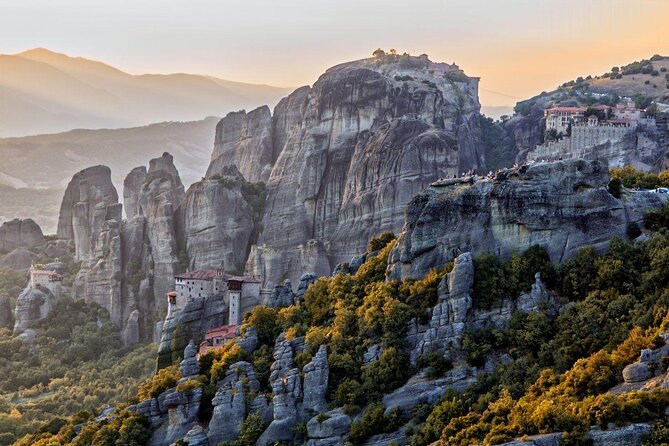
- Meteora at two different times: See the rocks in early morning light, then return for sunset photography and quieter viewpoints.
- Private transportation: Your group has an air-conditioned vehicle, hotel pickup and drop-off in Athens or Piraeus, and a flexible driving plan.
- Ancient Macedonia: Vergina, Pella, Mieza, Dion, Amphipolis, and Thessaloniki add Alexander the Great, Aristotle, Roman, and early Christian history.
- Hotels cost extra: Accommodation can be arranged in boutique or three and four-star hotels, but the quoted tour price does not include your rooms.
- Driver, not archaeological guide: Nikos provides commentary and an audio documentary during the drives, but an archaeologist guide must be hired separately for site visits.
What this eight-day route really covers
This is not a short Athens excursion with one biblical stop added on. You cross much of mainland Greece, beginning in Athens and heading north through Central Greece, Thessaly, and Macedonia before returning south through Delphi, Boeotia, Corinth, and Athens.
The route is built for people who want connections. Thermopylae sets the ancient Greek military scene. Meteora introduces Orthodox monastic life. Macedonia brings you to the world of Philip II and Alexander. Philippi and Neapolis connect directly with Paul’s journeys. Corinth and Athens bring the New Testament story back to the southern Greek cities where Paul preached.
The schedule is flexible, but the distance is not small. Several days combine three or four substantial stops, so you should be comfortable with repeated drives, uneven archaeological ground, steps, and early starts. The payoff is variety, but this is not a slow village holiday.
More Ancient Corinth and canal stops:
- From Athens: Ancient Corinth Day Trip with Canal & VR Guide
★ 4.6 · 1,073 reviews - Private Biblical Tour Ancient Corinth & Isthmus Canal from Athens
★ 5.0 · 762 reviews - Athens: Ancient Corinth & Nafplio Full Day Trip with Swim
★ 4.8 · 523 reviews
Day 1: Thermopylae, Trikala, and Meteora at sunset
The first stop is Thermopylae, famous for the 480 BC battle between Greek forces and the Persian army. The monument to Leonidas gives the visit a clear focal point, while the interactive museum adds context. The museum costs about €3, or €1 at the reduced rate, and the planned stop is only 30 minutes.
That short visit works if you want the essential story and a photograph. It may feel rushed if military history is a major interest, so ask Nikos in advance how much time can be set aside.
Trikala offers a change of mood. Built on the ancient city of Trikka, it developed beside the Lithaios River and was linked in antiquity with Asclepius, the healing god. A walk through the old city and across its bridges gives you a taste of present-day central Greece rather than another formal ruin.
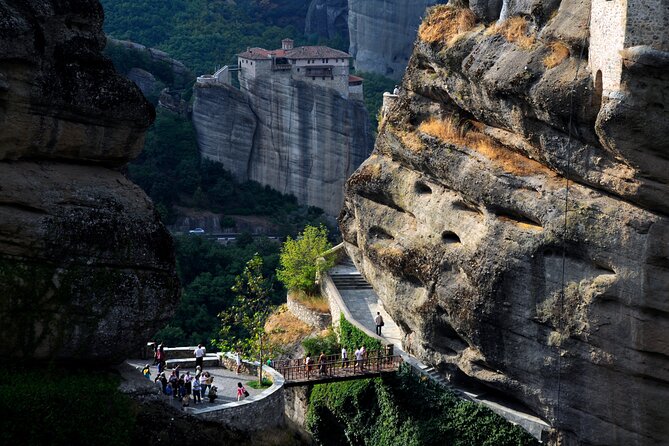
The day finishes at Meteora, where six surviving Orthodox monasteries perch on towering rock pillars. You drive around the formations and visit at least two monasteries. Each monastery generally charges about €3, and modest clothing is required for Orthodox religious sites.
Kastraki is your base for the night, at the foot of the rocks. The planned sunset and photography drive is one of the smartest parts of the schedule. The rocks change color as the light drops, and Nikos can take you to viewpoints that are not limited to the main monastery entrances. Accommodation in Kastraki costs extra.
Day 2: Monasteries, Vergina, Berea, and warm springs
Meteora receives another look in the morning, this time with different light and fewer people. That second visit matters. Meteora can feel crowded around the monastery entrances later in the day, while the rock formations themselves reward a quieter drive and a little patience.
From there, you head to Vergina, ancient Aigai, the first capital of Macedon. The Museum of the Royal Tombs protects the burial site of Philip II, father of Alexander the Great, whose tomb was found undisturbed in 1977. This is one of the tour’s strongest archaeological visits because the museum is built around the royal tombs rather than displaying the finds in a distant building.
The entrance fee is listed as €6 in winter and €12 in summer. Give yourself about 75 minutes. The dark, carefully controlled interior is quite different from an open-air ruin, and the visit helps you understand Macedonian royal power before you see Pella and Mieza.
At the Vima Apostolou Pavlou in Veria, or Berea, you connect with Paul’s preaching to Jewish and Greek communities in the first century. The stop is brief, about 20 minutes, and admission is free.
The School of Aristotle at Mieza changes the focus again. Here Aristotle taught the young Alexander between 343 and 340 BC, reportedly using the Temple of the Nymphs as a classroom. The site is open and atmospheric, though it is not a fully preserved school building. You get about an hour, with no listed admission fee.
The day ends near Loutra Pozar, on the slopes of Mount Kaimaktsalan. The thermal springs reach about 37 degrees Celsius and have long been associated with rest and recovery. This is a welcome pause after a full day of ruins and driving, but the overnight stay and any bathing charges are additional.
Day 3: Pella and the many eras of Thessaloniki
Pella was the capital of ancient Macedonia and the birthplace of Alexander the Great. The archaeological museum and site together take about 90 minutes. Look for the mosaic floors, the portrait head thought to represent Alexander, and the statue of Pan.
The combined museum and site ticket is listed as €8, or €4 at the reduced rate. This visit pairs especially well with Vergina. Vergina shows the royal tombs and court culture, while Pella lets you picture the capital itself, with its houses, courtyards, and public spaces.
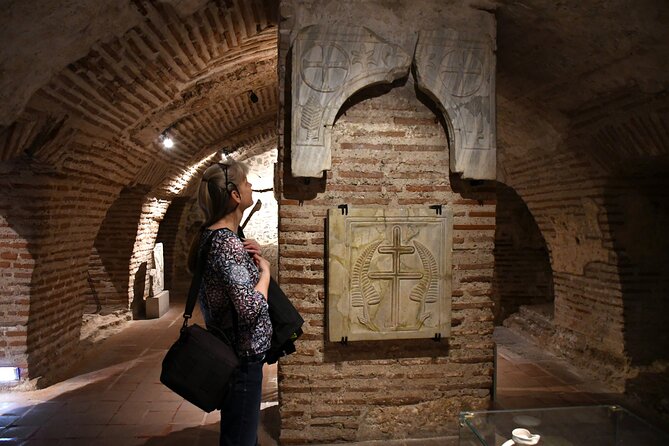
In Thessaloniki, the Church of Saint Demetrius brings the biblical period into a later Christian setting. The church is dedicated to the city’s patron saint, and its crypt is associated with the place where Demetrius was imprisoned and martyred in 303 AD. Admission is listed as free.
The White Tower then gives you the city from above. The waterfront monument was once part of the Byzantine and Ottoman defenses and later served as a prison. The €6 entrance fee includes access to the top, where a 360-degree view helps you get your bearings in Thessaloniki.
The Rotunda, listed here as INSPOT Rotonda, adds another layer. Built around AD 304 during the reign of Galerius, it was later turned into a Christian church. Its circular form and surviving mosaics show how one building can change use as political and religious power shifts.
Plan for a full day in Thessaloniki, with one hour at each listed stop. The schedule gives you important highlights, but it leaves limited time for simply wandering the waterfront or sitting in a neighborhood café. If modern city life matters as much as ancient sites, ask for extra free time.
More footsteps-of-Paul trips:
- Biblical Tour Letters ToThe Corinthians St Paul’s Footsteps 6Hour
★ 5.0 · 1,065 reviews - Private Tour of Apostle Paul’s Footsteps in Ancient Corinth
★ 5.0 · 275 reviews - Paul”s Footsteps Ancient Corinth Biblical Tour
★ 5.0 · 184 reviews - Private Luxury Biblical Tour: Apostle Paul in Athens & Corinth
★ 5.0 · 162 reviews
Day 4: Philippi, Lydia, and the road to Kavala
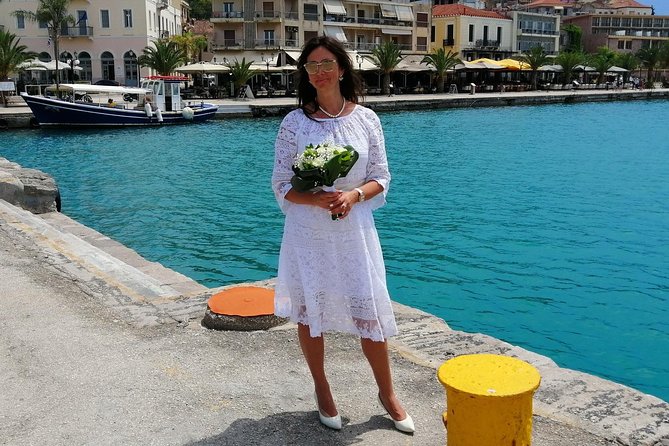
Philippi is one of the tour’s central biblical stops. The ancient city became a Roman colony after the battle of Philippi in 42 BC and later became associated with Paul’s arrival around AD 49 or 50. The archaeological museum and site require about 90 minutes, with admission not included.
The remains help you see why Philippi mattered. It was a Roman city in a strategic position, and the Christian story is tied to real streets, public buildings, and the community Paul addressed. You may want a licensed guide here, since Nikos is a driver and tour escort rather than an official archaeological guide.
Nearby Saint Lydia’s Baptistery honors Lydia of Thyatira, regarded as the first documented convert to Christianity in Europe. The stop is free and takes about an hour. The setting is more devotional than archaeological, so it suits people who want time for prayer, reflection, or a service-related visit.
The route continues to old Kavala, ancient Neapolis. Paul is traditionally associated with arriving here before continuing toward Philippi. The monument outside Saint Nicholas Church marks that connection, while the old city also offers Byzantine and Ottoman remains, including the castle and aqueduct.
Kavala is an overnight stop, and the itinerary gives it a long block of time. That is useful because the town is more than a biblical marker. It is a coastal city with a strong visual identity, and the extra time lets you slow down after the archaeological sites.
Day 5: Amphipolis, Dion, and Mount Olympus
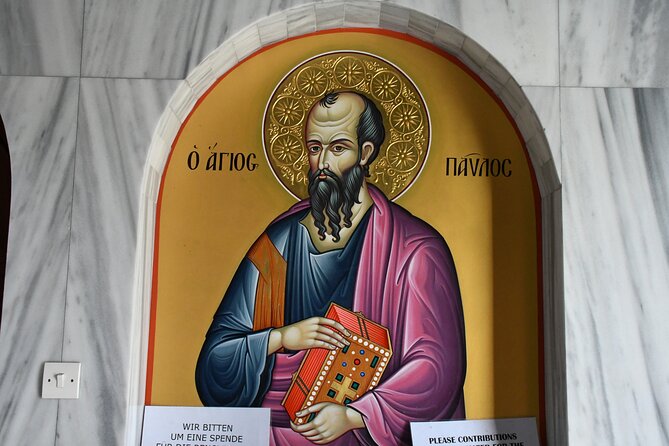
Amphipolis adds both classical and biblical context. The city was founded as an Athenian colony, saw conflict between Athens and Sparta, and later played a role in Macedonian campaigns. Paul and Silas passed through the area on the road between Philippi and Thessaloniki.
The archaeological museum costs about €6 and receives a one-hour visit. The stop is worthwhile for people who want the route between the better-known cities explained, though it is less visually dramatic than Philippi or Dion.
Dion was the major sanctuary of Zeus in ancient Macedonia. Philip II and Alexander celebrated victories there, and Alexander gathered his army and made sacrifices before his campaign in Asia in 334 BC. The archaeological park and museum take about an hour, with a combined ticket listed at €6 in winter and €12 in summer.
Dion works well late in the northern part of the trip because it brings together religion, kingship, and military ambition. The open park can also be tiring in hot weather, so carry water and use the flexible driving plan to avoid unnecessary rushing.
The overnight stay is on the slopes of Mount Olympus, Greece’s highest mountain, reaching 2,917 meters at Mytikas. You are not being taken on a summit hike. This is a scenic mountain overnight, with accommodation arranged at extra cost.
Day 6: Delphi and the long return south
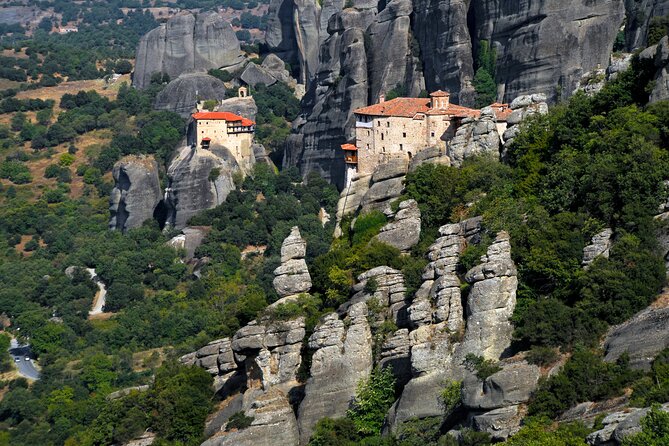
The itinerary then shifts to Delphi, the ancient sanctuary of Apollo and home of the Pythia, the famous oracle. The site and museum together need about three hours, with a combined ticket of €12 in summer or €6 at the reduced winter rate.
Delphi is one of the places where a guide can make a major difference. The ruins spread across a slope, and the meaning of the treasuries, theater, temple, and Sacred Way is easier to follow with a clear explanation. Since Nikos is not a licensed archaeological guide, arrange an archaeologist separately if you want a formal guided visit.
The Delphi Archaeological Museum holds sculpture, architectural pieces, and smaller objects from the sanctuary. The Charioteer of Delphi is among the famous works associated with the museum, though the supplied program does not promise specific exhibits, so treat the museum as a useful companion to the ruins rather than a quick add-on.
The Tholos of Athena Pronaia is less than a mile from the main site and takes about 30 minutes. Its circular design makes it one of the most recognizable structures in Delphi. The drive through Mount Parnassus follows, with an overnight in a traditional mountain village.
This is another demanding day because of the road distance. The mountain setting is appealing, but you should not expect a relaxed Delphi-only visit.
Day 7: Livadia, Boeotia, and Ancient Corinth
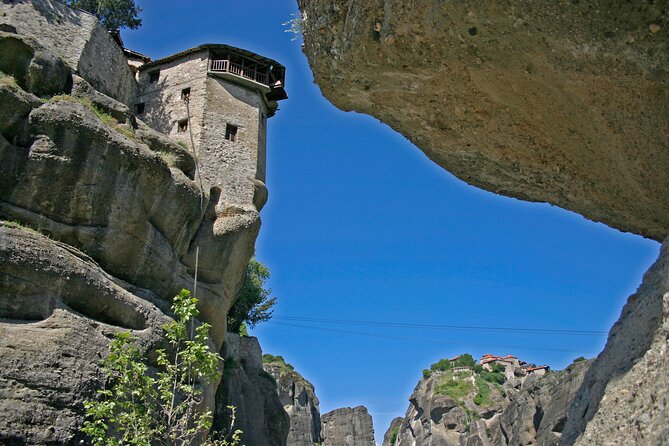
The road south passes through Boeotia and near Thebes before reaching Livadia. A stop by the Karya River gives you a break from monuments and a look at local town life. Ancient traditions linked the springs near Livadia with the Oracle of Trophonios, including the waters of remembrance and oblivion.
You then cross Mount Kithaeron and the old road between Athens and Thebes, passing the area of ancient Eleutherai. The old fortress and mountain route add a sense of how people once moved between central Greece and Attica, although the program presents this mainly as a scenic drive rather than a long archaeological stop.
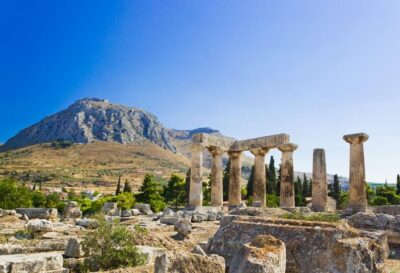
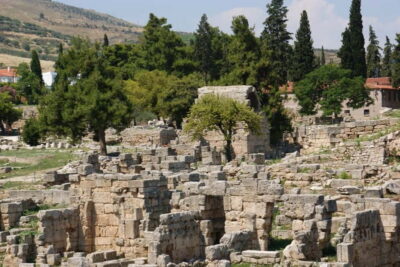
Ancient Corinth is the main event. The city was one of ancient Greece’s largest, and Paul’s connection is especially strong through the Acts of the Apostles and the First and Second Corinthians. The Bema, or judgment platform, in the ancient agora is the key biblical marker.
The combined site and museum ticket costs €8 in summer or €4 in winter, and the visit lasts about two hours. Corinth is a good place to slow down and let the Christian texts meet the physical remains. The ruins are broad and exposed, so plan for sun and walking.
You sleep in Nafplio, the first capital of modern Greece. It is one of the most attractive overnight bases on the route, but accommodation is extra. Rates vary by season, and the published examples range from about €130 per double room to €180 on weekends and holidays.
Day 8: Corinth Canal, Athens, and Paul’s Areios Pagos
The Corinth Canal is a short but worthwhile final stop. Workers dug the 6.4-kilometer channel between 1881 and 1893, creating a water route between the Aegean and Ionian seas. You can photograph it from a pedestrian bridge and look down from roughly 80 meters above the water.
Back in Athens, the Acropolis and Areios Pagos connect classical democracy with Paul’s sermon to the Athenians around AD 51. The Acropolis visit is listed at about 90 minutes, followed by an hour at the Acropolis Museum.
That timing gives you the highlights, not every corner of the Acropolis. The museum is especially valuable because it gathers objects from one archaeological site and places them in a clear setting. Entrance fees are not included, and summer rates can be higher than winter rates.
The day ends with an Athens hotel drop-off. If you want a slower Acropolis visit, the final day may feel compressed. Still, ending at Areios Pagos gives the journey a fitting final link between ancient philosophy, civic life, and Paul’s message.
Price, hotels, and what you actually pay
The listed price is $2,961.45 per person. That figure covers private transportation, an air-conditioned vehicle, pickup and drop-off from hotels or apartments in Athens and Piraeus, an English-speaking driver, and commentary or an audio documentary during the drives.
It does not cover your hotel rooms or site and museum tickets. Hotel costs vary by city, season, weekends, and holidays. Examples include about €100 per double room near Mount Olympus, €120 near Parnassus, and €130 in Nafplio, with higher holiday rates. A driver’s room is complimentary when the company arranges the lodging.
Entrance fees can add up. The program estimates about €20 per site in summer, with winter often about half price, but individual listed fees range from free visits to €12 or more. You should request a complete current estimate before paying, especially if you want an archaeologist at several sites.
For a couple or small group, the price can make sense because the vehicle and schedule are private. Solo visitors should compare carefully, since the per-person price is high and lodging remains separate.
How Nikos shapes the experience
The strongest personal feature is the driving service. Nikos has been praised for handling small villages and mountain roads, and the spacious, clean car matters on long days. The trip also benefits from restaurant and hotel suggestions, with local food and Greek wine included among the stated priorities.
Nikos is not a licensed archaeological guide. That distinction is important. He can explain history during the journey and provide an audio documentary, but he does not accompany you as an official guide inside the ruins and museums. Hire a licensed archaeologist ahead of time if expert site interpretation is central to your plans.
Angela, Nikos’s wife, may also be part of the service. Their involvement has included arranging accommodations and helping tailor routes to interests such as ancient Greece, modern Greece, and Paul’s journeys.
Who should book this private Greek journey?
Book it if you want biblical sites connected to the wider story of Greek civilization, prefer a private vehicle, and enjoy mountain roads, archaeological museums, monasteries, and changing scenery. It suits families, friend groups, church groups, and couples who value flexibility more than the lowest possible price.
Think twice if you want long stays in each city, nightlife, beach time, or a fully guided archaeological program. The schedule is ambitious, and the price requires careful budgeting once hotels, tickets, meals, and any specialist guides are added.
The tour is non-refundable and cannot be changed after booking, so confirm your dates, room needs, preferred hotel standard, and guide requirements before you commit. Booking at least two weeks ahead is requested, and summer or holiday pricing can be higher.
FAQ
How long does the Apostle Paul tour last?
The tour lasts approximately eight days and begins and ends in Athens.
Where does the tour start?
Pickup is offered from your hotel or apartment in Athens or Piraeus. Another location may be requested.
What time does the tour begin?
The stated start time is 8:00 am.
Is transportation private?
Yes. The tour uses private transportation, and only your group participates.
Is the vehicle air-conditioned?
Yes. An air-conditioned vehicle is included.
Is accommodation included in the price?
No. Accommodation is arranged at an additional cost. You may also reserve your own hotels, but you must reserve an extra room for the driver.
Are entrance fees included?
No. Entrance fees to archaeological sites and museums are not included. The program gives individual summer and winter prices for many stops.
Is the driver a licensed archaeological guide?
No. The driver is not a licensed archaeological tour guide. You can hire an archaeologist separately in advance if you want guided walks through sites or museums.
Can most people participate?
The tour information states that most people can participate. The route includes archaeological sites, monasteries, mountain areas, and repeated driving days.
Is the tour refundable?
No. The experience is non-refundable and cannot be changed after booking for any reason.
Should you book it?
You should book this tour if you want to follow Paul while also seeing Meteora, Macedonia, Delphi, Corinth, and Athens in one private journey. Its best features are the flexible route, careful mountain driving, local food suggestions, and the chance to see places that a simple Athens-based biblical excursion would miss.
Before booking, get the full hotel and ticket total, decide if you need an archaeologist, and accept that the pace is demanding. For the right small group, this is a strong way to connect scripture with the places, roads, ruins, and mountains of mainland Greece.
Freshly added Athens trips
- Athens and Ancient Corinth Private from Athens★ 5.0 · 3 reviews
- From Athens: Mycenae and Epidaurus Private Tour★ 4.8 · 3 reviews
- Full day Meteora private tour★ 5.0 · 3 reviews
- Double Shore Dive (certified divers)★ 4.5 · 3 reviews
- Sunset & swimming at Cape Sounio, Poseidon temple★ 5.0 · 3 reviews
- Philosophy Experience at Plato’s Academy Park – basic version★ 5.0 · 3 reviews
- Athens Hills: Mythology Treasure Hunt★ 5.0 · 3 reviews
- Private Acropolis Tour – Ticket Included★ 5.0 · 3 reviews
Ancient Corinth Tours, compared.
Ancient Corinth Day Trip with Canal & VR Guide
Read our review →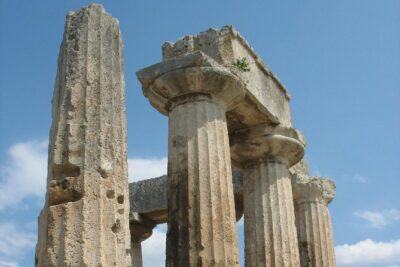
Private Biblical Tour Ancient Corinth & Isthmus Canal from Athens
Read our review →
Ancient Corinth & Nafplio Full Day Trip with Swim
Read our review →
Private Tour of Apostle Paul’s Footsteps in Ancient Corinth
Read our review →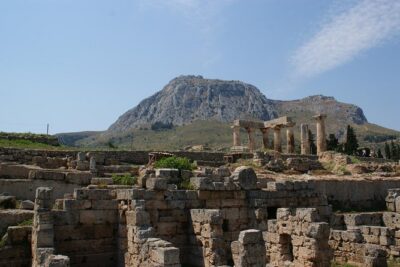
Corinth Half-Day Trip from Athens with Entrance Tickets
Read our review →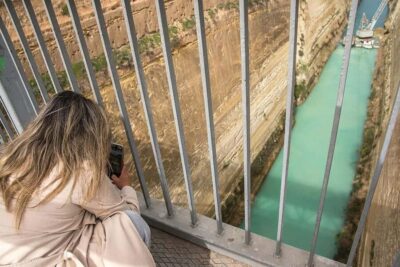
Browse the lists this tour appears in