
Reviewed · ATHENS
Olympic Games Small-Group Workout and Race in Athens
The best part of this Athens activity is simple: you do not just look at the Olympic sites, you use your body in them. A certified sports trainer leads a gentle workout, teaches javelin, discus, shot put, and long jump, then takes you into the Panathenaic Stadium for a race on its historic track.
I like the mix of Olympic history and hands-on fun, and I like that the trainer adjusts the pace for children, teens, and adults. The small group, limited to 12 people, gives the session a friendly feel rather than a mass-tour atmosphere. The main consideration is that the Panathenaic Stadium entry fee is not included, and this is a mild workout, not a serious training session.
In This Review
- Key points at a glance
- Why this Olympic workout works so well in Athens
- Beginning at Zappeion Garden at 8:30 a.m.
- Learning the events without needing Olympic form
- What you learn about ancient Olympic customs
- Entering the Panathenaic Stadium for the final race
- The small museum and Olympic torches
- Is the $72.41 price good value?
- Who should book this activity?
- How to fit it into an Athens day
- Booking details and cancellation
- My verdict: book it for the experience, not the workout
- FAQ
- How long does the Olympic Games workout last?
- Where does the activity begin?
- Where does the activity end?
- What time does the activity start?
- What sports do you try?
- Is the Panathenaic Stadium admission included?
- How many people can join the group?
- Do I need to be an athlete?
Key points at a glance
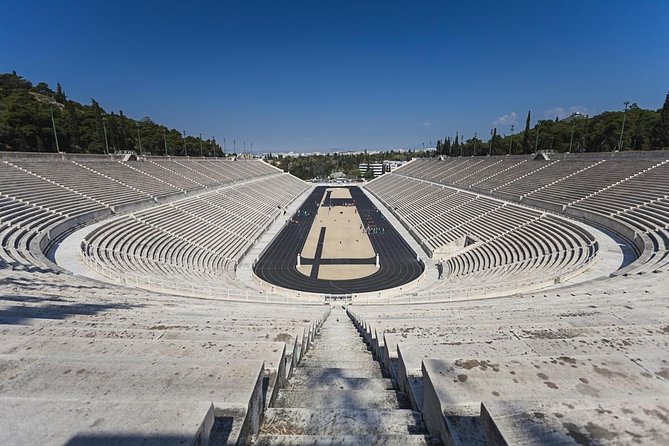
- Race inside the marble Panathenaic Stadium: Finish with a lap or short race at the site of the first modern Olympic Games in 1896.
- Try five classic events: Learn the basics of javelin, discus, shot put, long jump, and running with modified equipment.
- A small group of up to 12: The trainer can offer more personal coaching and adjust activities to different abilities.
- Good for families: Children as young as 9 appear to fit comfortably into the activity, with teens and adults joining in too.
- Start early at Zappeion Garden: The 8:30 a.m. meeting time leaves much of your afternoon free for museums, markets, or an Acropolis visit.
- Budget for stadium admission: Entry to the Panathenaic Stadium is separate, and the price has changed in recent reports, so check before you go.
Why this Olympic workout works so well in Athens
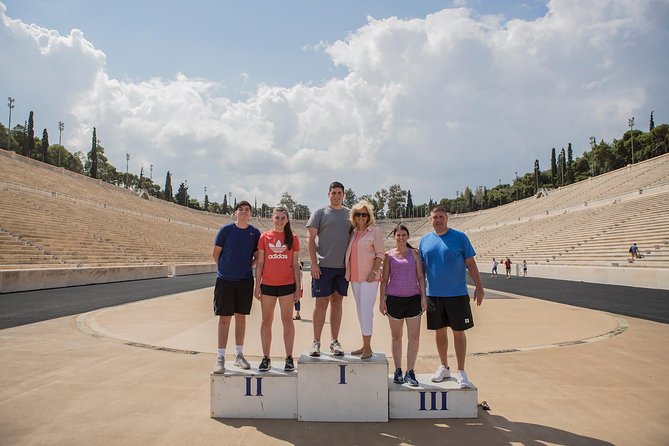
Athens offers plenty of historical sights, but many ask you to stand quietly and look. This experience changes the rhythm. You begin with movement, hear about the ancient and modern Games as you go, and then take part in a small version of the pentathlon.
That hands-on approach makes the history easier to remember. The ancient Olympic tradition is not presented as a long lecture. Instead, you hear short explanations while learning how to hold a discus, aim a javelin, or prepare for a standing long jump.
The trainers are a large part of the appeal. Names mentioned in the experience include Catherine, Loli, Evi, Evie, Katerina, Dean, and Yolie, depending on the date. The recurring pattern is a warm, energetic coach who can explain both the sports and the stories behind them. One guide is described as a national water polo team member, while others are personal trainers or fitness specialists.
You do not need to be athletic. The activity is designed as a mild outdoor workout, and you can work at your own pace. If you are fit, you can make the challenges more competitive. If you are not, you can focus on learning the movements and enjoying the setting.
Other days out people book around Athens:
- Athens: Acropolis & up to 5 Archaeological Sites Combo Pass
★ 4.4 · 12,619 reviews - Athens: Acropolis Ticket with Optional Audio or Live Guide
★ 4.2 · 11,055 reviews - Athens: Acropolis, Parthenon & Acropolis Museum Guided Tour
★ 4.8 · 9,316 reviews
Beginning at Zappeion Garden at 8:30 a.m.
The meeting point is Zappeion Garden, at Leoforos Vasilissis Olgas 1. The location places you near two important Olympic landmarks: the Zappeion Conference and Exhibition Center and the Panathenaic Stadium.
Arrive ready to move. You will want comfortable clothes, walking shoes, and water, though food and drinks are not included. Since the activity takes place outdoors, Athens’ morning weather matters. The early start is helpful in warmer months, when exercising later in the day can feel much harder.
The group can contain no more than 12 people. That size is small enough for the trainer to watch technique and offer corrections. It also gives families and mixed-ability groups room to participate without feeling they are holding everyone back.
The first hour takes place around the Zappeion area. The Zappeion was the first building created specifically for the revival of the Olympic Games in the modern era. That fact gives the opening session a useful setting. You are not simply warming up in an ordinary park.
Learning the events without needing Olympic form
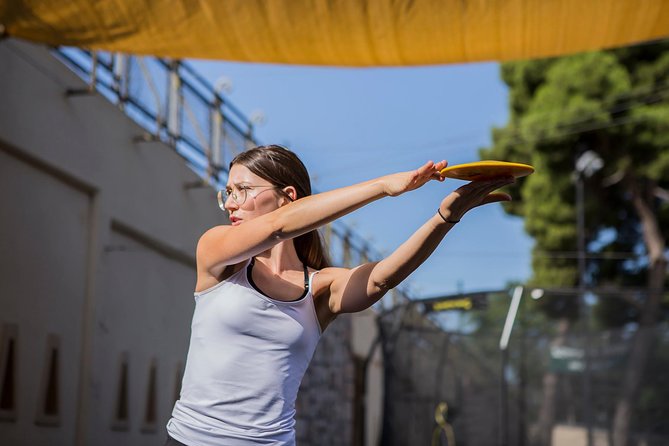
The workout usually moves through a set of simplified Olympic events. The main activities include javelin, discus, shot put, long jump, and running.
You learn the basic technique first. That matters because these events look easier than they are. A javelin throw requires control and timing. A discus throw depends on body position. Even a standing long jump can be surprisingly demanding when you try to use proper form.
The equipment is modified for safe, easy participation, according to the experience details. This makes the activity suitable for children and people with different fitness levels. One account even describes a child with a broken wrist taking part successfully, although you should still tell the trainer about any injury or physical limitation before beginning.
The goal is not to produce official distances. It is to give you the feel of the events and make the ancient and modern Games more understandable. You might compete with your family or group, but the tone is meant to stay light.
That balance is especially useful for families with competitive teenagers. They can keep score, try to beat one another, and still learn something along the way. Younger children can copy the movements and enjoy the sense of having their own mini Olympics.
What you learn about ancient Olympic customs
The history portion is woven into the activity rather than separated from it. You hear about the evolution of the Olympic Games and the link between ancient competitions and the modern revival in Athens.
The discussions can also cover unusual customs from the ancient Games, including why athletes competed naked. That detail tends to make the history more memorable, while giving useful context about the original athletic tradition.
You also learn about the events themselves. The workout helps show how throwing and jumping competitions have changed over time. It is a practical way to connect what you are doing in the training area with the much larger story of Olympic sport.
The amount of history depends partly on your trainer and the pace of your group. This is not a full archaeological tour, and you should not book it expecting a long academic talk. It works best if you want a lively introduction with enough background to give the physical activities meaning.
Same city, a completely different century:
- Athens: Cape Sounion & Poseidon Temple Sunset Half-Day Trip
★ 4.8 · 8,241 reviews - Athens: Acropolis and Parthenon Guided Walking Tour
★ 4.6 · 5,882 reviews - All Day Cruise -3 Islands to Agistri,Moni, Aegina with lunch and drinks included
★ 5.0 · 4,958 reviews - Athens, Piraeus, and Coastline: Blue Hop-On Hop-Off Bus
★ 3.9 · 4,849 reviews
Entering the Panathenaic Stadium for the final race
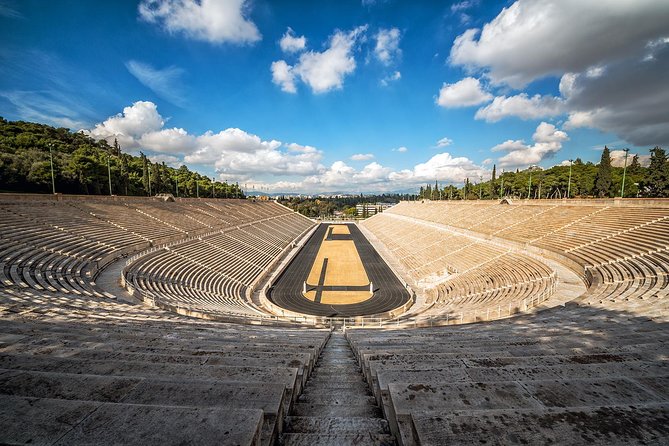
The second hour moves to the Panathenaic Stadium, also called the Kallimarmaro. Built entirely from marble, it is the only stadium of its kind in the world. The stadium hosted the first modern Olympic Games in 1896.
This is the emotional high point. After trying the events in the Zappeion area, you run a lap or race inside the stadium. Some groups have done a 100-meter or 400-meter-style finish, while others have simply run around the track together.
You do not have to sprint. The trainer sets the activity at a level that works for the group, and you can run at your own pace. For runners, the chance to track a lap on a Garmin watch or simply feel the curve of the old track can be a memorable moment. For everyone else, the setting does most of the work.
The stadium is especially striking when it is not crowded. An early arrival may give you a calmer look at the marble seating and track, though crowd levels can change. Once the formal session ends, you can remain inside and explore on your own if your ticket allows.
The small museum and Olympic torches
The stadium visit is more than a race. You can walk up the ramp toward the museum area and see Olympic torches from past Games, along with artwork and other displays.
The museum is small, but it adds another layer to the visit. After exercising, it gives you a quiet way to cool down while seeing how the Olympic tradition developed in the modern era.
A useful point is that the tour ends at the Panathenaic Stadium, not back at Zappeion Garden. That is convenient if you want to continue sightseeing in central Athens. You can stay at the stadium afterward, then make your own way to another attraction.
The ticket to the stadium is not included. The supplied information gives no single dependable current price. One booking note mentions €5, while a more recent update says €10 per person and that cards are accepted. Treat the charge as separate and check the current amount when booking or at the entrance.
Is the $72.41 price good value?
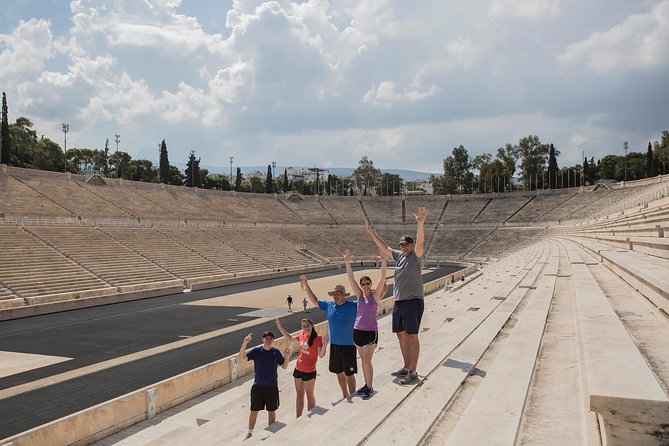
At $72.41 per person, this is not the cheapest way to see the Panathenaic Stadium. You are paying for a two-hour guided activity, a certified sports trainer, equipment, instruction, and the chance to race at the historic site.
The value depends on what you want from Athens. If you only want to photograph the stadium, paying for a workout is unnecessary. A standard stadium visit will cost less, though it will not include coaching, group games, or the chance to turn the site into your own small Olympic arena.
For families, the price can make more sense because it replaces a passive sightseeing hour with an activity that keeps children and teens involved. It also gives adults a shared experience rather than splitting up while younger members lose interest.
Small-group size improves the value. With a maximum of 12 people, you are less likely to wait through a long line of participants before trying an event. If attendance is very low, the session may feel almost private, though that depends on the date.
Food, drinks, and transport are not included. You also pay for stadium entry separately. These costs are easy to manage, but you should include them in your Athens budget.
Who should book this activity?
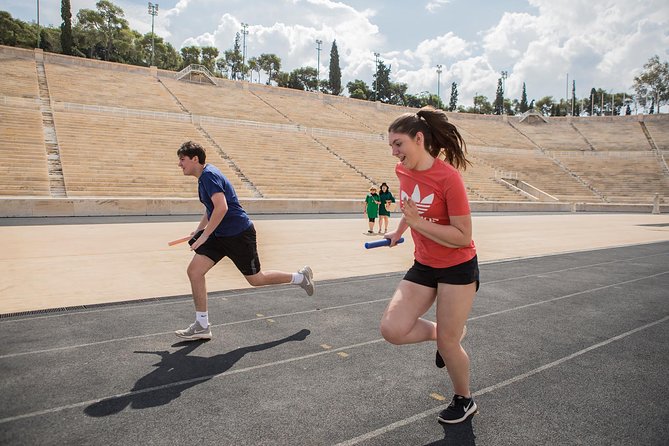
I would choose this for active families, couples who want something different, and adults or teens who enjoy learning by doing. It is also a good fit if you have already seen several museums and want a morning with more movement.
You do not need to be a runner or thrower. The trainers adjust the exercises, and the point is participation rather than performance. People with mixed fitness levels can join the same group without needing to complete an intense circuit.
This is also useful for Olympic fans. Running inside the 1896 stadium gives the history a physical sense that a normal audio tour cannot provide. If you enjoy sport, you may appreciate the coaching details, while non-sporty participants can treat the events as playful challenges.
I would think twice if you have limited mobility, a serious injury, or no interest in physical activity. The session is mild, but it still includes throwing, jumping, walking, and running. Service animals are allowed, and most people can take part, but you should contact the provider if you need specific accommodations.
How to fit it into an Athens day
The 8:30 a.m. start is one of the strongest practical features. The activity lasts about two hours, so you can finish around late morning and still have time for a full afternoon.
From the stadium, you can continue with central Athens sightseeing, depending on your plans and transport. The activity is near public transportation, but you must arrange your own way to the meeting point and from the ending point.
I like the timing for a first or second day in Athens. It gives you an early orientation to the Zappeion and stadium area, then leaves later hours for a city tour, the Acropolis, the National Garden, or a museum. Avoid scheduling it after a late night if you want to take part comfortably.
Bring water, sun protection, and clothes suitable for exercise. Since the tour includes outdoor movement, the weather can affect your comfort. There is no meal included, so plan breakfast before the start or food afterward.
Booking details and cancellation
Your confirmation is normally sent at booking. If you reserve within one hour of departure, confirmation is subject to availability and may arrive later.
Free cancellation is available up to 24 hours before the local start time for a full refund. Changes or cancellations made less than 24 hours before the start are not accepted for a refund. The activity also requires a minimum number of people, so if the provider cancels because that number is not reached, you are offered another date, another experience, or a full refund.
My verdict: book it for the experience, not the workout
Book this Olympic activity if you want history with movement, family time with a bit of competition, or a memorable way to see the Panathenaic Stadium. The strongest moments are trying events you may never have handled before and then running inside a completely marble Olympic venue.
Do not book it as a serious fitness class. The workout is gentle, and the history, coaching, and setting matter more than the exercise itself. Also budget for the separate stadium ticket and verify its current price.
For most active visitors, especially families with children from about school age through the teen years, this is a smart two-hour use of an Athens morning. You leave with a better sense of the Games, a few good photographs, and the unusual memory of taking part rather than simply looking on.
FAQ
How long does the Olympic Games workout last?
The activity lasts approximately two hours.
Where does the activity begin?
It begins at Zappeion Garden, Leoforos Vasilissis Olgas 1, Athens.
Where does the activity end?
It ends at the Panathenaic Stadium on Leoforos Vasileos Konstantinou.
What time does the activity start?
The scheduled start time is 8:30 a.m.
What sports do you try?
The activities include javelin, discus, shot put, long jump, and running.
Is the Panathenaic Stadium admission included?
No. Entry to the Panathenaic Stadium is not included in the activity price. The current admission cost should be checked before arrival because the amount has changed in recent booking information.
How many people can join the group?
The maximum group size is 12 people.
Do I need to be an athlete?
No. The activity is described as a mild outdoor workout, and you can take part at your own pace.
Freshly added Athens trips
- Athens and Ancient Corinth Private from Athens★ 5.0 · 3 reviews
- From Athens: Mycenae and Epidaurus Private Tour★ 4.8 · 3 reviews
- Full day Meteora private tour★ 5.0 · 3 reviews
- Double Shore Dive (certified divers)★ 4.5 · 3 reviews
- Athens Hills: Mythology Treasure Hunt★ 5.0 · 3 reviews
- Sunset & swimming at Cape Sounio, Poseidon temple★ 5.0 · 3 reviews
- Philosophy Experience at Plato’s Academy Park – basic version★ 5.0 · 3 reviews
- Private Acropolis Tour – Ticket Included★ 5.0 · 3 reviews