
Reviewed · WINE TOURS
Ultimate Tasting of the Volcanic Wines of Greece
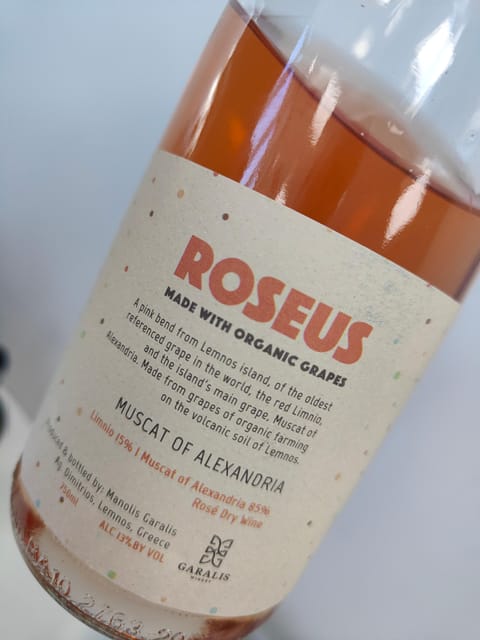
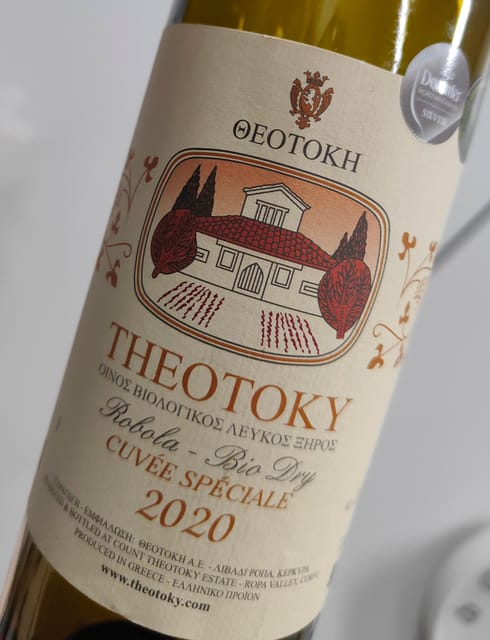
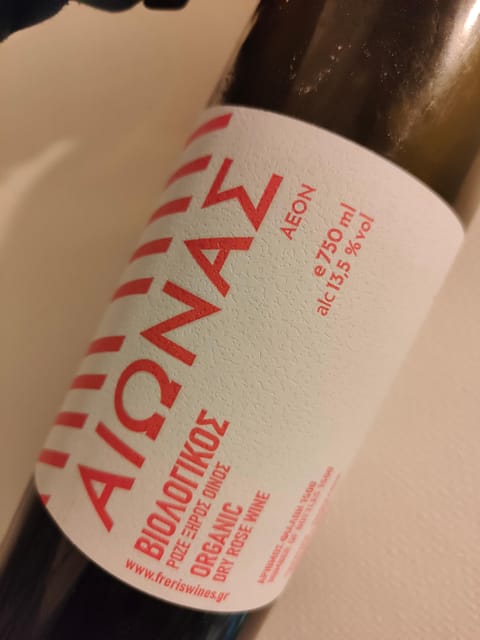
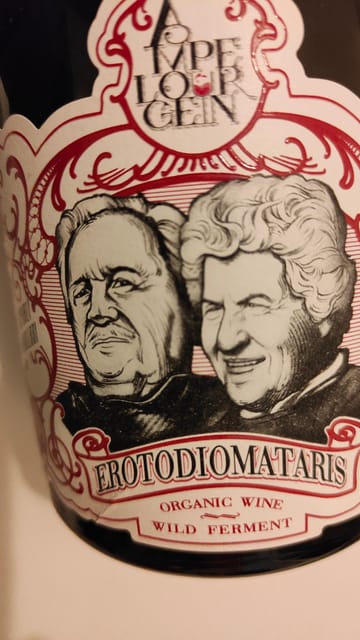
Greek volcanic wine is the star here, not a side note. In 45 minutes, you taste wines from volcanic islands and areas shaped by deposits left by eruptions thousands to millions of years ago. The session also explains how volcanic conditions affect flavor and how some of these wines may develop with age.
I like the focused tasting format and the chance to compare wines from different Greek volcanic regions in one sitting. I also like the clear geology lesson, especially the link between Greece’s position between the European and African tectonic plates and its long volcanic chain.
The main drawback is the tasting’s short length. You get a compact lesson rather than a leisurely wine class, and the information supplied is unclear about whether five or six wines are poured. I would confirm the exact number before booking.
In This Review
- Key points at a glance
- Why Greek volcanic wine deserves its own tasting
- The first glasses: volcanic islands and old deposits
- How the volcanic story changes what you taste
- Anton’s role makes the lesson personal
- A compact route through Greece in six possible pours
- What the $38 price buys you
- Who will enjoy this most
- Practical planning for a 45-minute tasting
- How this compares with a standard Greek wine tasting
- Should you book the volcanic wine tasting?
- FAQ
- Where does the tasting take place?
- How long does the experience last?
- How many wines are included?
- What type of wines will I taste?
- Does the tasting explain Greek geology?
- Will I learn about wine ageing?
- Is the activity offered in English?
- Are children allowed to attend?
- Is food included?
- Can I cancel for a refund?
Key points at a glance
- Five or six Greek volcanic wines: The description says five, while the included list says six, so check the final tasting lineup.
- A geology lesson with every glass: You learn how volcanic islands and old volcanic deposits relate to Greek wine.
- Ageing potential is part of the class: The host explains how volcanic wines behave over time, not just how they taste when poured.
- Anton leads the English session: He is praised for pairing wine tasting with a thorough history lesson.
- A 45-minute adult-only activity: It is a compact choice for wine lovers, but children under 18 cannot attend.
- Filtered water is included: Food and other drinks are not allowed indoors.
Why Greek volcanic wine deserves its own tasting
Greek wine is often introduced through grapes and islands. This session takes another route: it starts with the ground beneath the vines.
Greece has four active volcanoes and four dormant ones, along with areas covered by volcanic material from much older eruptions. The country sits between the European and African tectonic plates, part of a volcanic chain that reaches through Italy toward Spain and the Canary Islands.
That background matters because volcanic wine is not one fixed style. A wine from a volcanic island may taste different from one grown in soil formed by ancient deposits on the mainland. The value of this tasting is the comparison. Instead of trying one Greek wine and guessing what makes it special, you can listen for differences across several regions.
I find this approach more useful than a simple parade of glasses. The host is not only asking you to identify flavors. You are also being shown how place, soil, geology, and ageing may affect what ends up in your glass.
More wine tastings around Athens:
- Athens: Classic Cooking Class with Market Visit and Wine
★ 5.0 · 1,101 reviews - Athens: Food Market Visit and Cooking Class with Wine
★ 4.9 · 1,087 reviews - Athens: Swimming Cruise with Lunch, Wine & Live DJ on Board
★ 4.6 · 1,085 reviews
The first glasses: volcanic islands and old deposits
The tasting focuses on wines from volcanic islands and volcanic deposit areas of Greece. The exact labels and order are not supplied, so you should not expect a fixed list of producers from this description alone.
What you can expect is a guided comparison. One wine may represent an island shaped by active volcanic forces, while another comes from a region where volcanic material was laid down long ago. The point is not simply to decide which bottle you prefer. It is to notice how different volcanic settings can create different wine experiences.
The tasting format should work well if you are curious but not already fluent in Greek wine. You can ask questions as you go, and the explanation gives each pour a reason for being there. I would take small notes if you want to remember a favorite, since several wines in a short session can blur together.
The short timing also keeps the activity easy to fit into a day in Central Greece. At $38 per person, the price works out to a focused introduction rather than a full meal, winery visit, or long vineyard outing. That makes it reasonable for someone who wants a concentrated lesson, though less appealing if you are looking for a broad food-and-wine event.
How the volcanic story changes what you taste
Volcanic wine can sound like a slogan if the geology is left unexplained. Here, the useful part is the effort to connect the soil and volcanic deposits with the taste in the glass.
The session promises a full explanation of how volcanic wines behave on the palate. That wording suggests attention to structure, aroma, texture, and finish, rather than a quick pour with a few facts about Greece. You will also hear about the potential for ageing, which is an important distinction.
A wine that tastes appealing now is not automatically a good candidate for years in the bottle. The host explains why some volcanic wines may have long ageing potential and how their character can change over time. I like that the class covers both present enjoyment and future development. It gives you a better way to judge a bottle than simply asking if it tastes good today.
Still, keep your expectations in check. The session lasts only 45 minutes, so it cannot offer a full course in wine storage, vintage comparison, or cellar management. Think of ageing as a central theme, not a complete technical workshop.
Anton’s role makes the lesson personal
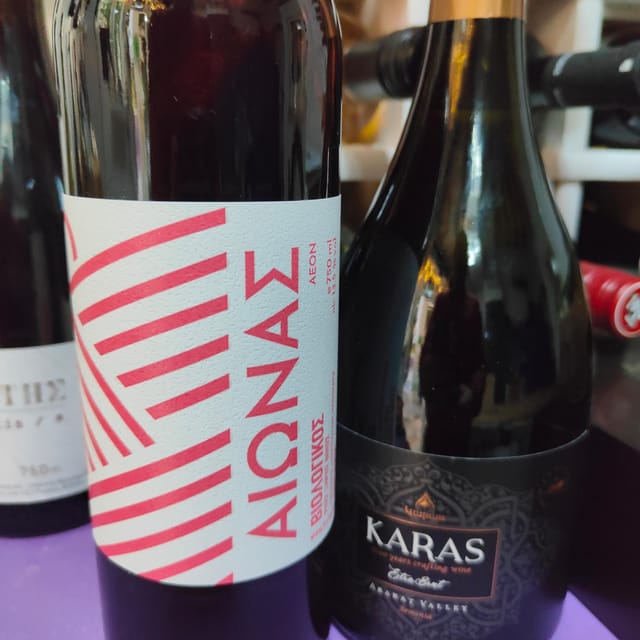
Anton is the named host associated with the tasting, and the strongest praise centers on his teaching. He is described as pairing each wine with a thorough history lesson, which is exactly what this format needs.
A tasting can feel thin when the host only reads label notes. The appeal here is the connection between the glass and the wider story of Greece’s volcanoes. Anton’s role appears to be part wine guide, part history teacher, and part conversation partner.
The session is conducted in English. That makes the activity practical for English-speaking visitors who want more context than a standard restaurant tasting can provide. It also means you can focus on the material without needing to follow a second language.
The personal tone is another plus. One attendee described feeling that the experience was very personal, and that quality matters in a 45-minute class. With only a short window, an attentive host can make the difference between a useful lesson and a rushed tasting.
More food stops in Athens:
- Greek Food Walking Tour in Athens
★ 5.0 · 4,740 reviews - Athens: Street Food Tasting Tour
★ 4.9 · 2,557 reviews - Small Group Greek Traditional Food Tour in Athens 20+ Tastings
★ 5.0 · 1,759 reviews - Athens Authentic Greek Food Walking Tour (Small Group)
★ 5.0 · 809 reviews
A compact route through Greece in six possible pours
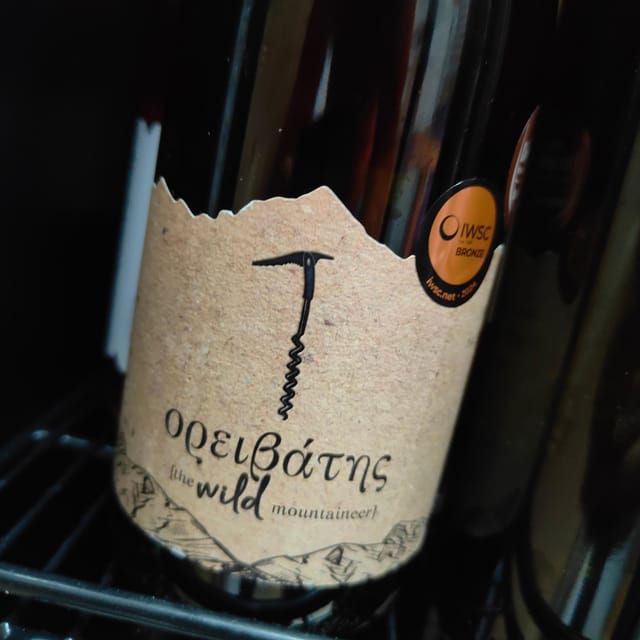
The supplied details create a small but important inconsistency. The overview promises five wines, while the included section says six volcanic wines. Until the provider confirms the count, I would treat the activity as a tasting of five or six pours.
That difference may affect how you plan your time and how you judge the price. Five wines in 45 minutes gives you roughly nine minutes per wine if the time were divided evenly. Six gives you about seven and a half minutes per wine. In practice, some time will go to introductions, questions, and the final discussion of ageing.
This is not necessarily a problem. A compact tasting can be easier to follow than a long session with too many bottles. But if you are booking specifically for a six-wine comparison, send a quick question before paying.
The experience does not include food. Food and drinks are not allowed indoors, and filtered water is included. That makes the session focused on wine rather than a pairing menu. I would plan to eat separately and avoid arriving expecting a snack with the tasting.
What the $38 price buys you
At $38 per person, you are paying for the wines, the English-language instruction, the volcanic geography lesson, and the guided discussion of ageing. You are not paying for transport, food, or a full meal, at least according to the information provided.
For someone already interested in Greek wine, that can be fair value. You get several bottles in one sitting and a framework for understanding why they differ. The history and geology also give the experience more substance than a basic tasting flight.
For a casual drinker, the calculation is different. If you mainly want to sample wine without listening to a lesson, a shorter explanation might feel like more than you need. If you enjoy knowing why a wine tastes the way it does, the educational side helps justify the cost.
I would also consider your schedule. The 45-minute duration is a strength when you have other plans. It is a limitation if you want a relaxed afternoon activity with time to linger over each glass.
Who will enjoy this most
I would recommend this tasting to adults who want a clear introduction to Greek volcanic wine, especially if they have limited time in Central Greece. It should suit anyone interested in geology, ancient eruptions, Greek regional identity, or wines that may develop with age.
It is also a good fit for people visiting the Athens area who want a wine activity with a strong educational angle. The available information does not give a precise venue, transport instructions, or group size, so check those details before you commit to a tight schedule.
This is less suitable for children, since participants under 18 are not allowed. It may also disappoint anyone expecting a vineyard tour, a cellar visit, a meal, or a long social tasting. None of those features is promised.
If you are new to wine, do not worry about lacking technical vocabulary. The history and geology give you something concrete to follow. If you already know Greek wine well, the value will depend on the labels selected and how much detail Anton provides beyond the basic volcanic story.
Practical planning for a 45-minute tasting
The activity is offered in Central Greece and is conducted in English. Starting times vary, so check availability when you choose your date.
I would arrive ready to concentrate. With five or six wines in less than an hour, there is little room for a slow start. Filtered water is included, which is useful between tastes, but food and outside drinks are not permitted indoors.
The booking terms are flexible. You can cancel up to 24 hours in advance for a full refund, and you can reserve now and pay later. Those policies help if your Athens plans are still shifting, though they do not change the need to confirm the wine count and exact meeting details.
There are no stated transport arrangements, so do not assume pickup or a hotel transfer. Check the meeting point carefully, especially if you are fitting this between other activities.
How this compares with a standard Greek wine tasting
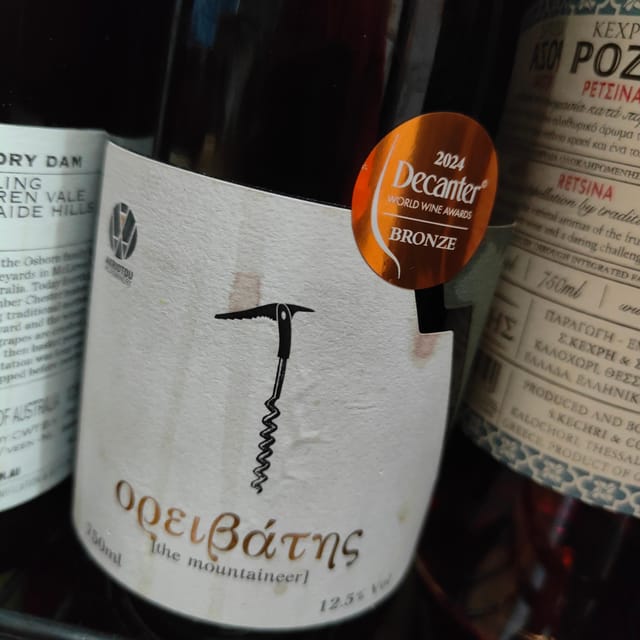
A standard tasting often moves from bottle to bottle with short comments about grape varieties and flavor. This one is built around a particular question: what does volcanic origin contribute to Greek wine, and how might those wines age?
That makes it more specialized. You are not getting a general survey of every major Greek wine area. Instead, you are following one theme across several places connected by volcanic activity or old volcanic deposits.
I see that as a strength for an informed short visit. You leave with a specific subject to remember, not just a list of names. The tradeoff is breadth. If you want to understand the full range of Greek grapes and regions, you will need a different tasting as well.
The history component also gives the session a sense of place. Greece’s volcanoes are not treated as distant geological facts. They are part of the explanation for the wines in front of you.
Should you book the volcanic wine tasting?
I would book it if you want a short, adult-only wine class led in English and you care about the story behind Greek wine. The strongest reasons are the comparison of several volcanic wines, the attention to ageing potential, and Anton’s praised ability to link each glass with Greek history.
I would hesitate if you want food, a vineyard visit, transportation, or a slow multi-hour tasting. I would also confirm whether the session includes five or six wines, since the supplied details give both numbers.
For $38, this is best viewed as a focused lesson with wine, not a full day out. If that matches your interests, it offers a useful way to understand a distinctive part of Greece’s wine culture in less than an hour.
FAQ
Where does the tasting take place?
The activity is listed in Central Greece, Greece. The supplied information does not provide a more precise address.
How long does the experience last?
The tasting lasts 45 minutes.
How many wines are included?
The information gives two numbers. The overview says five wines, while the included section says six volcanic wines. Confirm the exact number with the provider before booking.
What type of wines will I taste?
You will taste Greek wines from volcanic islands and areas with volcanic deposits.
Does the tasting explain Greek geology?
Yes. The session covers Greece’s active and dormant volcanoes, older volcanic deposits, and the country’s position between the European and African tectonic plates.
Will I learn about wine ageing?
Yes. The host explains the potential for long ageing and how volcanic wines may behave as they develop.
Is the activity offered in English?
Yes. English is the listed language, and the instructor is English-speaking.
Are children allowed to attend?
No. The activity is not suitable for children under 18.
Is food included?
No food is listed as included. Food and drinks are not allowed indoors, while filtered water is provided.
Can I cancel for a refund?
Yes. You can cancel up to 24 hours before the activity for a full refund. You can also reserve now and pay later.
Freshly added Athens trips
- Athens and Ancient Corinth Private from Athens★ 5.0 · 3 reviews
- From Athens: Mycenae and Epidaurus Private Tour★ 4.8 · 3 reviews
- Full day Meteora private tour★ 5.0 · 3 reviews
- Double Shore Dive (certified divers)★ 4.5 · 3 reviews
- Athens Hills: Mythology Treasure Hunt★ 5.0 · 3 reviews
- Sunset & swimming at Cape Sounio, Poseidon temple★ 5.0 · 3 reviews
- Philosophy Experience at Plato’s Academy Park – basic version★ 5.0 · 3 reviews
- Private Acropolis Tour – Ticket Included★ 5.0 · 3 reviews
Wine Tours, compared.
Classic Cooking Class with Market Visit and Wine
Read our review →
Food Market Visit and Cooking Class with Wine
Read our review →
Swimming Cruise with Lunch, Wine & Live DJ on Board
Read our review →
PREMIUM Semi-Private Athens Afternoon Food Tour & Wine Tasting
Read our review →
Wine Tasting with a Sommelier under the Acropolis
Read our review →
Browse the lists this tour appears in