
Reviewed · FOOD & DRINK
Private Flavors of Athens Food Tour
Athens reveals itself especially well through food. This four-hour private walk leads you from Syntagma Square to the city’s central market, small food shops, bakeries, restaurants, and long-established specialty stores. You taste the everyday food of Athens, not just the dishes prepared for sightseeing crowds. The tastings are substantial enough to replace lunch, and drinks are included.
I like the way the experience combines food with a sense of place. You see where locals shop, learn how Greek ingredients are used at home, and can ask your guide to explain customs, neighborhoods, architecture, or politics along the way. I also like the private format, which lets guides such as Yannis, Vicky, Era, Arlo, Stelios, and Panos adjust the pace and choices to your group. The main drawback is practical: four hours on cobblestones and steps can be tiring, and the $248.60 per-person price is a serious splurge.
In This Review
- Key points at a glance
- What this Athens food walk is really like
- Starting at Syntagma Square at 9:00 a.m.
- Inside Athens Central Market
- Specialty shops, artisans, and Greek ingredients
- Savory stops: pies, souvlaki, and small plates
- Sweets, coffee, and Greek drinking culture
- How the private guide changes the experience
- Food quantity, dietary concerns, and daily comfort
- Is $248.60 per person a fair price?
- The best place in your Athens schedule
- Who should book this private food tour?
- Should you book the Flavors of Athens tour?
- FAQ
- Where does the Athens food tour start?
- What time does the experience begin?
- How long does the food tour last?
- Is hotel pickup available?
- Does the tour include food and drinks?
- Is this a private activity?
- Is an archaeological site visit included?
- Can I cancel for a full refund?
Key points at a glance
- Athens Central Market: See seafood, meat, vegetables, and products brought in from across Greece.
- A meal built from many tastings: Try souvlaki, pies, cheeses, olives, cured foods, sweets, coffee, and more.
- Private guide attention: Your guide can explain food customs, answer questions, and adjust some choices to your tastes.
- Small local stops: The route includes specialty shops, artisans, and restaurants away from the main sightseeing circuit.
- A useful first or second day activity: The walk helps you understand Athens beyond the Acropolis area.
- Easy meeting point: Begin at 9:00 a.m. at Syntagma Square, with pickup possible for some nearby hotels.
What this Athens food walk is really like
This is not a single restaurant meal with a guide attached. It is a moving lunch made up of many small stops, each showing a different part of Greek food culture. You might begin with coffee and something sweet, move through markets and shops, then finish with savory dishes, wine, or another dessert.
The exact sequence can change. That is a strength of a private tour, since your guide can respond to your appetite, food interests, and questions. It also means you should not expect a fixed menu printed in advance. The listed foods give you a good sense of the range, but the final selection depends on the day and the establishments visited.
The pace is social rather than rushed. You walk between stops, pause to taste, and hear how recipes and cooking habits developed. Guides have also added practical Athens advice, including help with restaurants and food shopping for the rest of your trip.
More food stops in Athens:
- Greek Food Walking Tour in Athens
★ 5.0 · 4,740 reviews - Athens: Street Food Tasting Tour
★ 4.9 · 2,557 reviews - Small Group Greek Traditional Food Tour in Athens 20+ Tastings
★ 5.0 · 1,759 reviews
Starting at Syntagma Square at 9:00 a.m.
The tour begins at Syntagma Square, a central and convenient meeting point near public transportation. A 9:00 a.m. start gives you a useful head start before the heat of the day, though you should arrive ready for a full morning of walking and eating.
Hotel pickup is offered only for hotels within walking distance of the tour’s location. Do not assume a vehicle will collect you from any address, and do not plan on hotel drop-off afterward. The activity ends back at the meeting point, so you can continue exploring central Athens on foot or make your own way to the next sight.
Starting here also helps you get your bearings. Guides have used the walk to explain different districts and connect food with the city’s architecture, customs, and daily routines. That makes the tour more useful than a series of disconnected tastings.
Inside Athens Central Market
The central market is one of the most valuable parts of the route because it shows food as work, trade, and daily life. You may see seafood, meat, vegetables, and other produce displayed by vendors who source goods from around Greece. This is where the city shops for ingredients, rather than where visitors simply pose for photographs.
Your guide helps you understand what you are seeing and may point out products that are central to Greek cooking. The market also gives context to later tastings. After seeing olives, vegetables, meats, or seafood in their market setting, a prepared dish makes more sense.
The market can be noisy and crowded, and it is not polished like a food hall. That is part of its value, but it may not suit you if you want a quiet, seated morning. Keep your belongings close and wear shoes with a firm sole. The route includes cobblestones and steps, so comfortable footwear matters more than stylish footwear here.
Specialty shops, artisans, and Greek ingredients
The route continues through dedicated artisans and specialty food stores. These businesses focus on products from different parts of Greece, giving you a chance to compare ingredients rather than simply eat finished dishes.
Olive oil is one area where the guide can add real value. You may learn how different oils vary and how Greek cooks use them. Other tastings can include honey, dried fruit, nuts, cheeses, charcuterie, and olives. These are easy foods to overlook when ordering in a restaurant, but they make useful souvenirs and help you recognize regional products later in your trip.
The experience also includes help with buying food to take home. This is a practical benefit, especially if you want olive oil, honey, nuts, or other packaged goods but are unsure what is worth carrying. Personal purchases are not included in the tour price, so budget separately for souvenirs.
Same city, a completely different century:
- Athens: Acropolis & up to 5 Archaeological Sites Combo Pass
★ 4.4 · 12,619 reviews - Athens: Acropolis Ticket with Optional Audio or Live Guide
★ 4.2 · 11,055 reviews - Athens: Acropolis, Parthenon & Acropolis Museum Guided Tour
★ 4.8 · 9,316 reviews - Athens: Cape Sounion & Poseidon Temple Sunset Half-Day Trip
★ 4.8 · 8,241 reviews
Savory stops: pies, souvlaki, and small plates
Greek savory food gets plenty of attention. Souvlaki and gyros provide the familiar entry point, but the walk goes beyond the dishes most visitors already know. Tastings may include artisan pies, bougatsa, cheeses, cured meats, smoked eggplant, fava dip, sardine dolmades, and cured anchovies.
Pies are especially useful for understanding Greek home cooking. Their pastry, fillings, and preparation show how simple ingredients can become a proper meal. Bougatsa may be savory or sweet, and your guide can explain the difference as you taste.
Souvlaki is another highlight because it is both famous and genuinely part of everyday eating. A good guide can help you understand how it fits into local food habits rather than treating it as a token sample. The private format is useful here. If you have already eaten a large breakfast, your guide can help pace the meal. If you want to focus on classic Greek dishes, you can say so.
Some tastings may take place in small family-run shops or restaurants. These stops are likely to feel more personal than a large dining room, though the trade-off is that seating and space may be limited. The tour is built around tasting as you move, not settling into one comfortable restaurant for two hours.
Sweets, coffee, and Greek drinking culture
The sweet side of the walk is broad enough to keep the morning from feeling like a parade of the same pastry. Expect the possibility of baklava, orange cake, loukoumades, dried fruit, nuts, honey, and other local treats.
Loukoumades are small fried dough sweets, usually served with syrup or another topping. They are best enjoyed fresh, and they provide a different texture from the layered pastry of baklava. Orange cake brings citrus and syrup into the mix, while dried fruits and nuts show how Greek households use preserved foods and pantry staples.
Greek coffee is another central tasting. It is freshly ground and prepared in the traditional style, with grounds settling in the cup. If you are used to filtered coffee, do not drink the final sediment. The coffee stop is not only a caffeine break. It offers a look at a daily ritual and gives you a slower moment between market visits and food samples.
Some routes have also included local wine and a final gelato stop. These additions show why you should keep your schedule flexible after the tour. You may finish full, and you may want time to remember which foods you liked before buying anything.
How the private guide changes the experience
The private format is the tour’s biggest advantage. Only your group participates, so you can ask direct questions without waiting for a large group to catch up. You can also move at a pace that fits your appetite and walking ability, within the limits of the route.
The guides bring different personalities. Yannis has been praised for combining food with explanations of neighborhoods, architecture, culture, and politics. Vicky has offered history and mythology alongside food advice. Era is especially clear in English and has led groups through family-owned shops and the central market. Panos has handled ordering at each stop and added a relaxed sense of humor.
Arlo has taken groups to about six local restaurants as well as the food bazaar. Stelios has connected the food stops with Athens and its people, while Nota has been described as highly educated, fun, and well informed about the city. These names show that the operator uses several guides, so the exact personality of your experience depends on who is assigned.
That variation is worth keeping in mind. A private guide can make the morning feel like a friend showing you a hometown, but you are not booking one specific guide unless the company confirms that arrangement. All guides are expected to lead the food experience in English, and the guide’s role is central to how much history and cultural explanation you receive.
Food quantity, dietary concerns, and daily comfort
The tastings are described as enough to replace lunch. That is helpful value, but it also means you should not eat a large breakfast beforehand. A light breakfast gives you room to try more foods without feeling uncomfortable halfway through the route.
The available information does not specify vegetarian, vegan, allergy, gluten-free, or other dietary arrangements. If you have dietary restrictions, contact the provider before booking and confirm what can be changed. A private tour gives you a better chance of discussing preferences, but you should not assume every stop can accommodate every need.
You should also plan for walking. The route is in central Athens and includes cobblestones and steps. Most people can participate, but the tour is not a seated tasting in one accessible venue. Comfortable shoes, water for the walk, and a modest breakfast are sensible choices.
Is $248.60 per person a fair price?
At $248.60 per person, this is expensive for a food walk. The price is easier to justify if you value private guiding, a large number of tastings, and the flexibility to ask questions or adjust the route. All food and beverage samples are included, and the portions can replace lunch, which keeps the cost from being only a guide fee.
You are also paying for access to a network of local food establishments and for the time saved finding them yourself. A self-guided market visit and a few snacks would cost much less, but you would need to research where to go, decide what to order, and understand what you are tasting.
This is a better value for a couple, family, or small group that wants personal attention and plans to use the guide’s advice for the rest of the trip. Group discounts may be available, so check the total for your party rather than judging the per-person price alone.
The tour is booked, on average, about 31 days ahead. That suggests you should reserve early if it is important to fit this into a particular morning, especially during a busy Athens visit.
The best place in your Athens schedule
I would put this tour on your first or second day in the city. It introduces neighborhoods beyond the Acropolis and gives you restaurant and shopping ideas before you make too many uninformed choices.
It also works well after a major sightseeing day. If you spend your first day at the Acropolis and its museum, the food walk on the next morning helps you understand the rest of central Athens. One parent and an 18-year-old daughter used it as an early introduction to Greece, while another family used it to keep everyone active after arriving from the United States.
Do not schedule a major archaeological visit immediately afterward if you dislike rushing. The tour ends at the starting point, but you may be full and ready for a slower afternoon. Entry to archaeological sites is not included, and the route itself is not an Acropolis tour, even though guides may discuss history and mythology.
Who should book this private food tour?
You should consider it if you want to:
- Learn how Athenians shop and eat, not just sample famous dishes
- Replace a restaurant lunch with many small tastings
- Ask questions about Greek food, customs, neighborhoods, and daily life
- Visit local food shops and restaurants you might not find alone
- Get practical help choosing edible souvenirs
- Start your Athens visit with a useful sense of direction
You may want a different activity if you prefer a low-cost food crawl, a long sit-down meal, or a fixed menu with every stop guaranteed in advance. It is also less suitable if cobblestones, steps, or four hours of walking are difficult for you.
Should you book the Flavors of Athens tour?
I would book it for a first or second morning in Athens, especially if food is one of the main reasons you came to Greece. The central market, private guide, and wide range of tastings give you more than a meal. You get a practical introduction to how the city eats.
The price is the key decision. At $248.60 per person, this is a splurge, not a casual add-on. Book it if you value personal guiding and want a full lunch, local shopping help, and food advice in one package. Skip it if you are comfortable researching the market and restaurants yourself.
Free cancellation is available until 24 hours before the 9:00 a.m. start time. After that point, the amount paid is not refunded, and changes are not accepted. Confirmation arrives within 48 hours, subject to availability.
FAQ
Where does the Athens food tour start?
The tour starts at Syntagma Square, Plateia Syntagmatos, Athens.
What time does the experience begin?
The start time is 9:00 a.m.
How long does the food tour last?
The private walking experience lasts about four hours.
Is hotel pickup available?
Hotel pickup is offered for hotels within walking distance of the tour’s location. Hotel drop-off is not included.
Does the tour include food and drinks?
Yes. Sampling of local beverages and delicacies is included, with enough food to replace lunch.
Is this a private activity?
Yes. Only your group participates in the private tour.
Is an archaeological site visit included?
No. Visits, guided tours, and entry fees for archaeological sites are not included.
Can I cancel for a full refund?
Yes, if you cancel at least 24 hours before the experience start time. Cancellations or changes made less than 24 hours before the start are not accepted for a refund.
Freshly added Athens trips
- Athens and Ancient Corinth Private from Athens★ 5.0 · 3 reviews
- From Athens: Mycenae and Epidaurus Private Tour★ 4.8 · 3 reviews
- Full day Meteora private tour★ 5.0 · 3 reviews
- Double Shore Dive (certified divers)★ 4.5 · 3 reviews
- Athens Hills: Mythology Treasure Hunt★ 5.0 · 3 reviews
- Sunset & swimming at Cape Sounio, Poseidon temple★ 5.0 · 3 reviews
- Philosophy Experience at Plato’s Academy Park – basic version★ 5.0 · 3 reviews
- Private Acropolis Tour – Ticket Included★ 5.0 · 3 reviews
Food & Drink, compared.


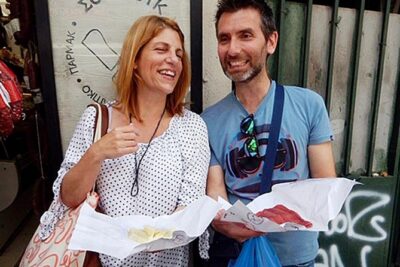
Small Group Greek Traditional Food Tour in Athens 20+ Tastings
Read our review →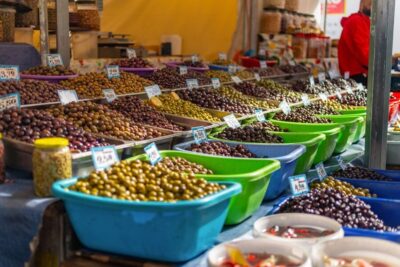
Food Market Visit and Cooking Class with Wine
Read our review →
Athens Authentic Greek Food Walking Tour (Small Group)
Read our review →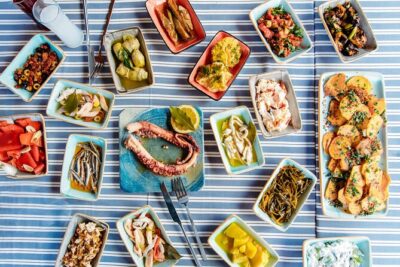

Browse the lists this tour appears in