
Reviewed · WINE TOURS
Orange & Natural Wines Of Greece with Cheese & Olive Oils
Greek wine is far more than the familiar retsina poured beside a plate of grilled food. In this one-hour tasting, you sample six small-production wines made with organic, biodynamic, natural, or orange-wine methods, then match them with cheese, olive oil, herbs, spices, and other Greek nibbles. Anton, the sommelier and wine-shop owner, guides the session in clear English and brings a personal connection to wines from the Greek islands.
I like two things right away: the wines are genuinely unusual, with some limited to only 200 bottles, and the food pairings give you practical ideas to repeat at home. The session is also short enough to fit neatly into a sightseeing day. The main consideration is its narrow focus: at $41 per person, this suits curious adults who want a serious introduction to modern Greek wine more than anyone seeking a long meal or a broad tour of local sights.
In This Review
- Key points
- Six Greek wines in one focused hour
- Why the orange wine deserves attention
- From amphorae to stainless steel and cement
- Pairing cheese, herbs, spices, and grape must
- The olive oil lesson adds real value
- Anton makes the information easy to follow
- What the one-hour format means
- Is $41 a fair price?
- Who should book this tasting?
- Useful tips before you go
- Should you book the Greek natural wine tasting?
- FAQ
- How many wines are included?
- How long does the tasting last?
- Is the tasting conducted in English?
- Who leads the experience?
- Are food pairings included?
- Can children attend?
Key points
- Six small-production Greek wines: Sample organic, biodynamic, natural, and orange wines, including bottles made in very limited quantities.
- Anton leads the tasting: He explains grape varieties, production methods, and Greek wine traditions in English.
- Ancient and modern techniques meet: Wines may be made in clay amphorae, stainless steel, cement, or oak, then aged in bottles.
- Pairings are part of the lesson: Cheese, herbs, spices, condiments, grape must, and extra virgin olive oil show how flavors work together.
- A useful olive oil session: Learn how to recognize the qualities and uses of Greek extra virgin olive oil.
- Best for adults with an hour to spare: The activity is not suitable for children under 18 or people over 95.
Six Greek wines in one focused hour
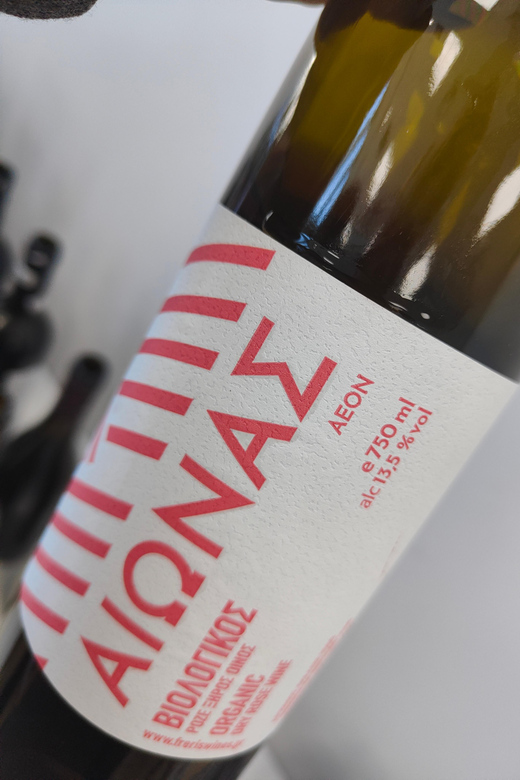
The tasting is built around six wines, which gives you enough range to compare styles without turning the hour into a blur of glasses. The selection centers on organic, biodynamic, natural, and orange wines, so this is not a standard tour of the most familiar Greek labels.
That distinction matters. Natural wine is often made with minimal intervention, though practices can vary from producer to producer. Biodynamic wine follows a particular farming philosophy, while organic wine focuses on agricultural standards. Orange wine is made from white grapes fermented with their skins, giving the wine more color, texture, and often a savory edge.
You should not expect every pour to taste alike. Some may be crisp and bright, while others may have more weight, earthiness, or unusual aromas. That variety is the point. Anton helps connect the taste in your glass with the way the wine was farmed, fermented, stored, and aged.
The tasting also gives you a useful introduction to Greek wine beyond internationally familiar varieties. Greece has more than 340 indigenous ancient grape varieties, and the country’s hot days, dry winds, and local growing conditions help shape wines with a strong sense of place. You may not memorize every grape name in an hour, but you should leave with a clearer idea of why Greek wines can taste so different from mass-market bottles.
More wine tastings around Athens:
- Athens: Classic Cooking Class with Market Visit and Wine
★ 5.0 · 1,101 reviews - Athens: Food Market Visit and Cooking Class with Wine
★ 4.9 · 1,087 reviews - Athens: Swimming Cruise with Lunch, Wine & Live DJ on Board
★ 4.6 · 1,085 reviews
Why the orange wine deserves attention
Orange wine is likely to be the most eye-opening pour for anyone who usually drinks white, red, or rosé. Its color comes from contact between white grape juice and grape skins during fermentation. That process can give the wine extra texture and a deeper color, sometimes with notes that feel closer to light red wine than a simple white.
One particularly useful feature of this session is that you can taste the wine alongside food rather than judging it alone. Orange wine can be a difficult style to place if you have never tried it. With cheese, herbs, spices, or olive oil nearby, you get a better sense of how it works at the table.
Anton’s approach is conversational and tailored. If you are new to natural or orange wines, you can ask basic questions without feeling lost in technical language. If you already know wine, the limited bottlings and Greek production methods give you something more distinctive than a routine tasting of widely available labels.
From amphorae to stainless steel and cement
The production methods are a major reason this experience has more substance than a simple pour-and-smile tasting. Greek winemakers may use ancient clay amphorae, stainless steel tanks, plain cement, small amounts of oak, and long bottle aging. Each choice can affect the wine’s texture, freshness, aroma, and pace of development.
Amphorae connect present-day wine with methods used thousands of years ago. That does not mean every amphora-made wine tastes old-fashioned. It means the vessel becomes part of the discussion about how wine can be made with fewer modern interventions.
Stainless steel is often associated with preserving clean fruit and freshness. Cement can offer a different setting for fermentation or aging, while oak may add its own flavor and structure. The useful lesson is not that one vessel is best. You get to compare the results and decide which styles appeal to you.
This makes the tasting valuable even if you do not plan to buy natural wine regularly. You learn to ask better questions at a wine shop: What grape is this? How was it fermented? Was it filtered? How long did it age? What food would make it work?
Pairing cheese, herbs, spices, and grape must
The food is not just decoration beside the glasses. Small ancient-style nibbles, cheese, extra virgin olive oil, concentrated grape must, herbs, spices, and condiments are used to show how a wine changes when paired with something salty, rich, sweet, sharp, or aromatic.
The central pairing rule is simple: powerful flavors need a wine with enough strength, while complex flavors call for a wine that can keep up. That idea helps explain why a wine you dislike on its own may work beautifully with food.
You also get practical ideas for your own table. A Greek wine may become more enjoyable with the right cheese, a drizzle of olive oil, or a spice that brings out its fruit and herbal notes. Concentrated grape must adds another angle, showing how grape-based ingredients can affect a pairing without turning it into dessert.
I appreciate this part because it keeps the experience grounded. You are not asked to admire wine as an abstract object. You are shown how people actually drink it, with food, conversation, and a sense of place.
A few more Athens days worth a look
- Athens: Acropolis Wine Tasting with Cheese and Olives
★ 4.9 · 248 reviews - From Athens: Wine, Oil, & Cheese Tasting in Nemea & Argolis
★ 4.8 · 7 reviews
The olive oil lesson adds real value
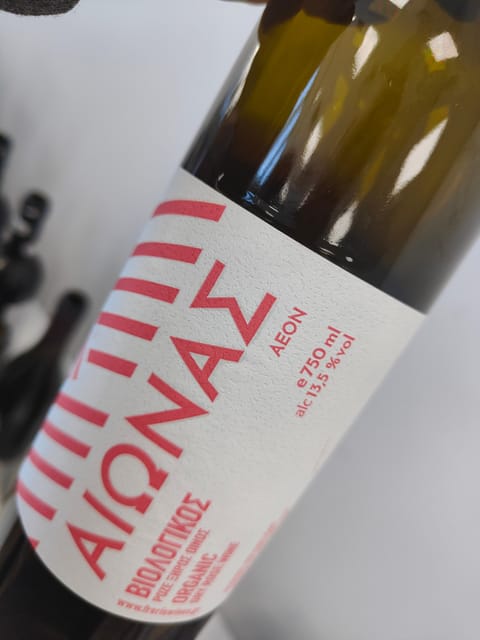
The extra virgin olive oil portion gives the tasting a second subject without taking it too far from wine. You learn about the qualities that make Greek olive oil different from ordinary cooking oil and how it can be used with food and drink.
The phrase extra virgin refers to a quality category, but the tasting gives that label some practical meaning. You can pay attention to aroma, freshness, bitterness, peppery notes, and how the oil behaves with cheese, bread, herbs, or other small bites. The goal is not to turn you into an olive-oil judge in an hour. It is to help you make better choices once you are home.
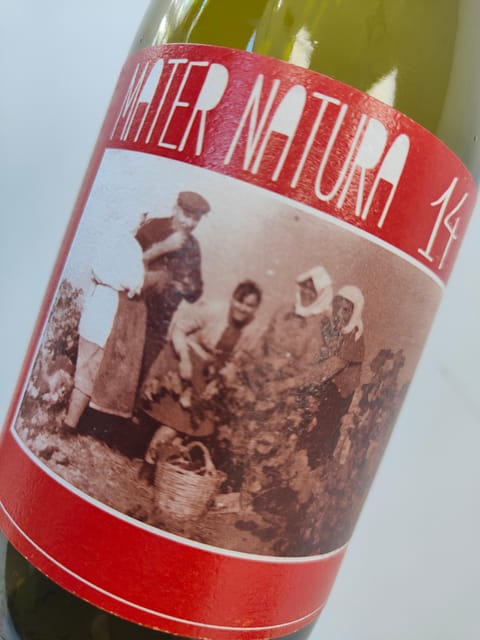
This is also a good reason to bring a little space in your luggage if you find a bottle you like. The provider’s store carries certain limited wines and related products, and some bottles are made in quantities as low as 200. Availability is not guaranteed, but the chance to find a small Greek producer is part of the appeal.
Anton makes the information easy to follow
Anton is the key personality in the experience. He is described as a passionate wine-shop owner and sommelier who knows the wines and the details of their production. His English is strong, and his explanations are accessible rather than overly formal.
That matters in a one-hour session. There is not much time for a long lecture, so the guide needs to choose useful facts and connect them to what you are tasting. Anton also adjusts the experience to the people at the table, which is helpful if one person is a complete beginner and another already knows the basics.
He can also offer recommendations for other wineries during the rest of your time in Greece. Treat that as an added benefit rather than the main reason to book. The central experience is the tasting itself, but a good local wine contact can help you make smarter choices later in your trip.
The warm, humorous tone is another plus. Wine talk can become stiff very quickly. Here, the aim is to make the subject enjoyable while still explaining the details behind each bottle.
What the one-hour format means
One hour is enough for six wines and food pairings, but it is not a leisurely afternoon wine class. You should expect a compact session with several pours, short explanations, and time to compare flavors.
The pace may feel quick if you like to linger over every glass or take extensive notes. On the other hand, the short format is useful if you have a busy day in Central Greece. You can fit it between other activities without giving up half a day.
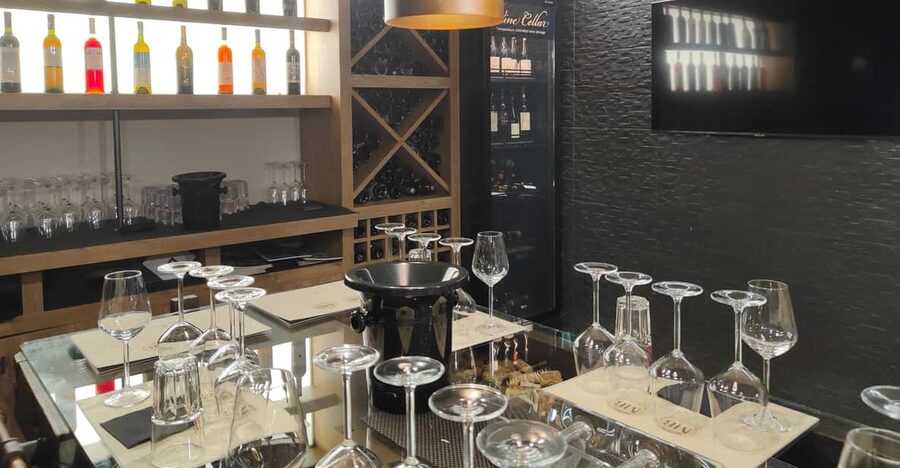
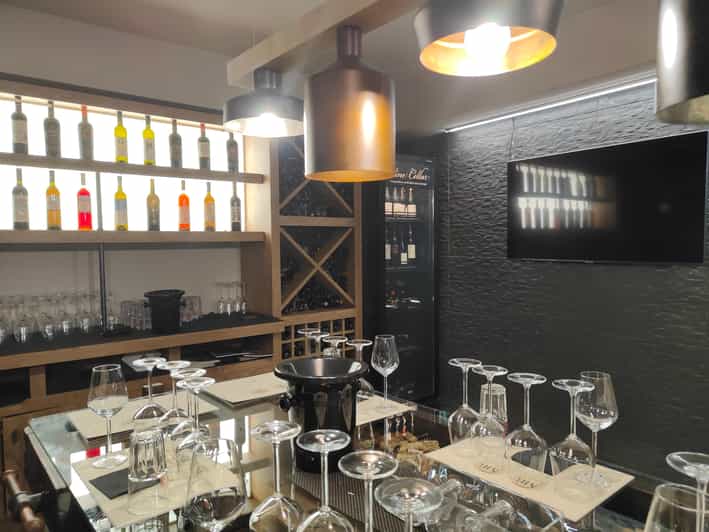
Because the experience is built around tasting rather than transport, you need to make your own way to the venue. No transportation is included in the information provided, so check the meeting details carefully before booking. The setting is connected with CRU BEE-HAVING Wine & Olive Oil Tastings, a wine and olive oil business rather than a vineyard visit.
That means you should not expect rows of vines, cellar tours, or a countryside drive. You get a more direct look at the bottles and ingredients themselves. For some people, that is a weakness. For others, it is more efficient and more useful.
Is $41 a fair price?
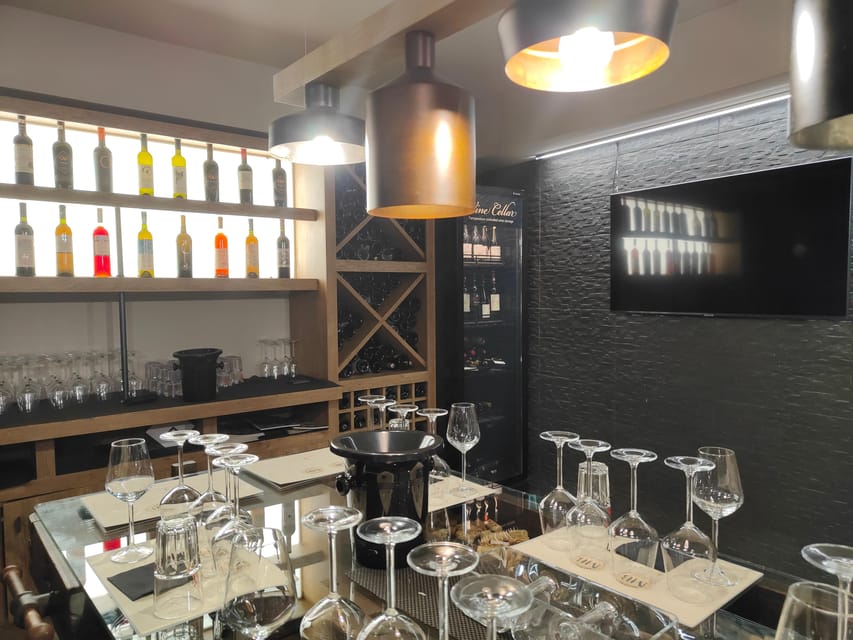
At $41 per person, the value depends on what you want from a wine experience. Six wines, nibbles, olive oil, food-pairing guidance, and an English-speaking sommelier make the price reasonable for a focused tasting, especially when some bottles are rare or limited.
You are not paying for transportation, a full meal, or a long day in the countryside. If those are important to you, this may feel expensive for one hour. If you want a compact introduction to Greek natural wine and expect several distinctive pours, the price is easier to justify.
The strongest value comes from the information. A casual tasting might tell you whether you like a bottle. This experience also explains why it tastes the way it does and what to serve with it. That knowledge can help you avoid buying unfamiliar wines at random later.
The reserve-now-and-pay-later option also gives you some planning flexibility, and free cancellation is available up to 24 hours before the experience for a full refund. Keep those terms in mind when arranging your schedule.
Who should book this tasting?
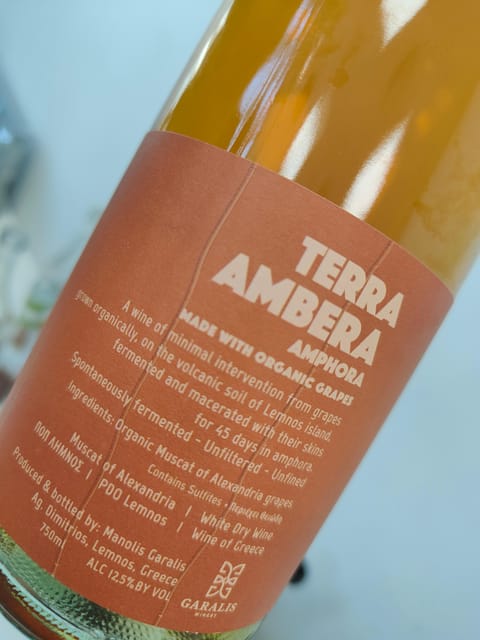
I would choose this for an adult who wants a sharper understanding of Greek wine, especially natural and orange styles. It is also a good fit if you enjoy local food products and want ideas you can use at home.
It works well for:
- Wine beginners who want clear explanations without a formal classroom
- Experienced wine drinkers looking for unusual Greek bottles
- Couples or small groups interested in food pairings
- People planning to visit other Greek wineries
- Visitors with only one free hour
- Shoppers hoping to find limited-production wine or olive oil
I would be more cautious if you dislike unfamiliar wine styles, want a full meal, or expect a vineyard setting. The session is also restricted to people aged 18 to 95, so it is not designed as a family activity.
Useful tips before you go
Read the description of the wines with an open mind. Natural and orange wines can taste different from polished supermarket bottles, and an unusual aroma does not automatically mean the wine is faulty.
Eat lightly beforehand, but do not arrive expecting lunch. The nibbles are there to support the tasting and demonstrate pairings, not to replace a meal.
If you find a bottle you like, ask about its production and availability before you leave. Some wines are made in very small quantities and may be sold only through the shop or shipped separately.
Take notes on the styles you enjoy rather than trying to remember every label. You might prefer a fresher wine, a more textured orange wine, or a bottle with strong herbal character. That information will be more useful when you shop later.
Should you book the Greek natural wine tasting?
Book it if you want an informed, adult-only tasting that goes beyond standard Greek wine labels. The combination of six unusual wines, Greek food pairings, olive oil, and Anton’s clear guidance gives the hour a strong sense of purpose.
Skip it if you are looking for a vineyard tour, a large meal, or an all-day wine excursion. At $41, the experience earns its price through the quality and rarity of the wines and the practical explanation of how to pair them.
For curious drinkers, it is a smart way to meet a less familiar side of Greece. You may leave with a new favorite orange wine, a better bottle of olive oil, and a much clearer idea of what to order with dinner.
FAQ
How many wines are included?
The experience includes six wines. They are selected from organic, biodynamic, natural, and orange wine styles.
How long does the tasting last?
The tasting lasts one hour. Starting times vary, so you need to check availability when booking.
Is the tasting conducted in English?
Yes. English instruction is included.
Who leads the experience?
Anton leads the tasting. He is the sommelier and wine-shop owner connected with CRU BEE-HAVING Wine & Olive Oil Tastings.
Are food pairings included?
Yes. Nibbles, cheese, herbs, spices, condiments, concentrated grape must, and extra virgin olive oils are included as part of the tasting.
Can children attend?
No. The activity is not suitable for children under 18. It is also listed as unsuitable for people over 95.
Freshly added Athens trips
- Athens and Ancient Corinth Private from Athens★ 5.0 · 3 reviews
- From Athens: Mycenae and Epidaurus Private Tour★ 4.8 · 3 reviews
- Full day Meteora private tour★ 5.0 · 3 reviews
- Double Shore Dive (certified divers)★ 4.5 · 3 reviews
- Athens Hills: Mythology Treasure Hunt★ 5.0 · 3 reviews
- Sunset & swimming at Cape Sounio, Poseidon temple★ 5.0 · 3 reviews
- Philosophy Experience at Plato’s Academy Park – basic version★ 5.0 · 3 reviews
- Private Acropolis Tour – Ticket Included★ 5.0 · 3 reviews
Wine Tours, compared.
Classic Cooking Class with Market Visit and Wine
Read our review →
Food Market Visit and Cooking Class with Wine
Read our review →
Swimming Cruise with Lunch, Wine & Live DJ on Board
Read our review →


PREMIUM Semi-Private Athens Afternoon Food Tour & Wine Tasting
Read our review →
Wine Tasting with a Sommelier under the Acropolis
Read our review →
Browse the lists this tour appears in