
Reviewed · WORKSHOPS
Marble Carving Workshop: Create Your own Symbol of Strength
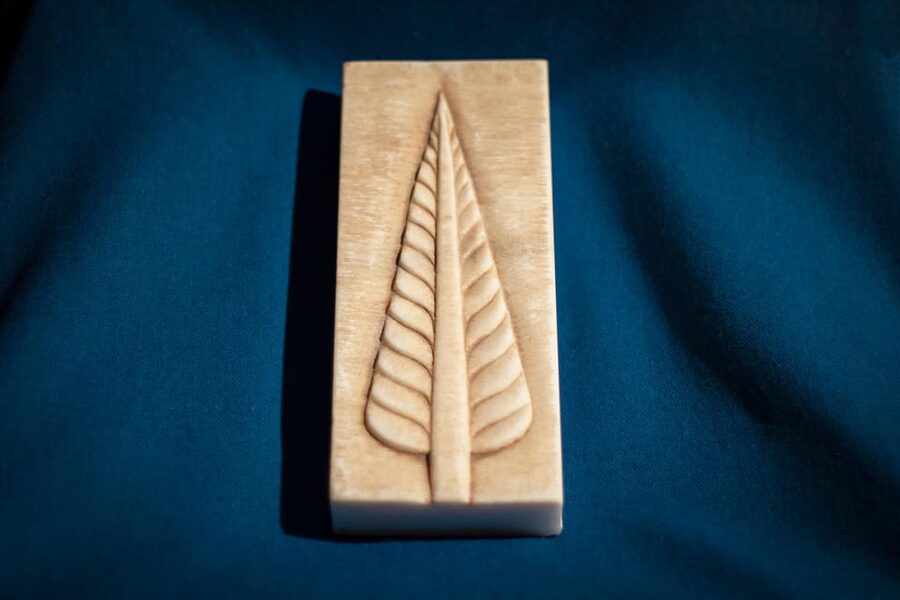
A block of Greek marble becomes your personal symbol of strength in this small Athens workshop. You sketch an idea, transfer it to the stone, then carve it with hand tools based on those used in ancient Greece. This is part art lesson, part cultural history, and part very satisfying hard work.
I like the four-person limit, which gives you real help instead of a quick demonstration and a crowded workbench. I also like the thoughtful process: you do not simply copy a souvenir design. You choose a symbol, learn why humans have carved personal meanings into stone, and make a piece that belongs to you.
The main consideration is physical effort. Marble carving is accessible to beginners, but it is harder than it looks, and you may stand and work for much of the session. Keep your design simple, wear comfortable clothes, and consider bringing a mask because the work can create dust.
In This Review
- Key points to know before booking
- Inside MarbleArt Athens, where stone becomes the subject
- The opening lesson: marble, stone, crystals, and human symbols
- Choosing a design you can actually carve
- Learning the hand tools before making the first cut
- Relief carving, light, and shadow
- Signing your work and adding a patina-like finish
- A small group makes a big difference
- The price: is $88 a fair value?
- A short walk through Athens after the carving
- Who will enjoy this most?
- Booking details worth knowing
- Should you book the Marble Carving Workshop?
- FAQ
- Where does the marble carving workshop take place?
- How long does the workshop last?
- How many people can join each session?
- Is the workshop suitable for beginners?
- What will I make during the workshop?
- Are materials and tools included?
- Which languages are available?
- Is transportation included?
- Is the workshop accessible to wheelchair users?
Key points to know before booking
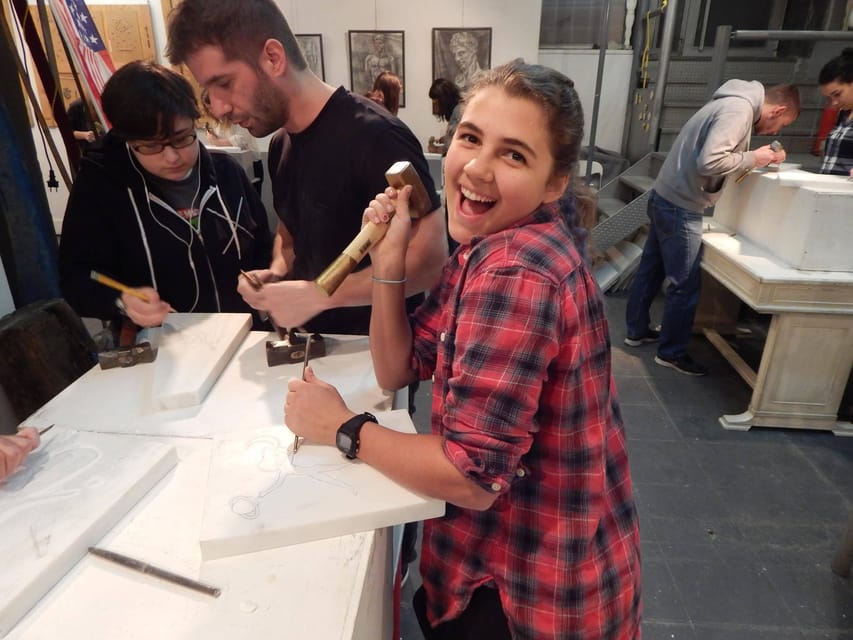
- You carve with traditional hand tools: Learn the basic tools and techniques linked to ancient Greek stone carving.
- Your project has personal meaning: Draw and transfer a symbol of strength, then shape it in engraved or relief form.
- The group is capped at four people: Small numbers allow patient, individual instruction from Dimitrius and his team.
- You take home your own marble work: Materials and the finished personal project are included in the $88 price.
- The setting is both workshop and museum: MarbleArt displays authentic works by local artists made with traditional Greek tools.
- Plan for hands-on work: The 135-minute session includes history, design, carving, lettering, and a patina-like color finish.
Inside MarbleArt Athens, where stone becomes the subject
MarbleArt is a local boutique museum and working art space in the historical center of Athens. The room is devoted to marble sculpture and traditional stone carving, with authentic works by local artists displayed around you.
That setting matters. You are not sitting in a generic craft studio making a quick holiday trinket. You work among examples of Greek marble art, with the material itself treated as the main attraction. Before you touch a tool, you begin to see marble as more than a pale building stone used for columns and statues.
The workshop is led by a guide with a PhD in the philosophy and art of ancient Greece, alongside a marble sculpture teacher from the University of Fine Arts. The names that come up in the experience include Dimitrius, Dimitri, and Jimmy. Their roles may vary by session, but the practical point is clear: you receive support from people who understand both the ideas behind Greek sculpture and the physical work of cutting stone.
The English and Greek instruction is helpful for an international audience. The small group makes it possible to ask questions without waiting for a long line of participants to finish.
A few more Athens days worth a look
- Athens: Classic Cooking Class with Market Visit and Wine
★ 5.0 · 1,101 reviews - Athens: Food Market Visit and Cooking Class with Wine
★ 4.9 · 1,087 reviews - Greek Cooking Class in Athens Including Rooftop Dinner with Acropolis View
★ 5.0 · 826 reviews
The opening lesson: marble, stone, crystals, and human symbols
The first stage sets up the work with a look at marble and stone carving in ancient Greece. You learn about the material structure of rocks, marble, and crystals, as well as possible additions such as metals or fossils.
This is not just background information. When you understand that stone has its own structure, you also understand why the tool must be controlled rather than forced. Marble may look soft and welcoming, but the carving process rewards patience, a steady hand, and modest goals.
The discussion then turns to humanity’s relationship with symbols in stone. Cycladic idols provide one reference point. These early figures show how a simple shape can carry personal, spiritual, or cultural meaning without needing a complicated design.
I find this a useful start for beginners. Instead of asking you to produce a perfect statue, the workshop asks you to think about what your symbol means. Strength might be represented by a heart, an animal, a geometric form, a personal sign, or another simple image. The goal is not to imitate a famous museum piece. It is to make a small work that has a reason for being there.
This part also helps explain why the experience feels more personal than a standard souvenir activity. You are not just buying something made in Greece. You are spending time with a material that has shaped Greek art for centuries, then leaving with something you helped create.
Choosing a design you can actually carve
After the introduction, you sketch your idea on paper. The instructors help you refine it and transfer the outline onto the surface of the marble.
Here is my most useful design advice: keep your first drawing simple. A large, clear symbol is easier to carve than a detailed image with tiny internal shapes. One participant found that a heart-shaped design became much harder once extra details were added inside it. That is a common beginner trap. Paper makes fine lines look easy. Marble does not forgive every ambitious flourish.
The instructor can help you adjust the drawing before you begin. Take advantage of that pause. Ask how much detail the piece can reasonably support, where the deepest cuts should go, and how the design will look once color is added.
Your image is then transferred to the marble. This step gives you a clear working plan, but it does not remove the creative decisions. You still decide how strongly to define the outline, how much depth to give the relief, and where to use shadows to make the form readable.
Learning the hand tools before making the first cut
The next stage is a practical introduction to the carving tools. You learn how to hold and use them for engraving before starting the main work.
The method is intentionally traditional. You are not using an electric carving machine to speed through the stone. You work with hand tools in a way that recalls ancient Greek carving methods. That makes the session slower, but the slower pace is part of its value. Each mark is yours, and you feel the resistance of the material instead of watching a machine do the important work.
The workshop provides the materials and tools needed for the sculpture. Protective goggles are provided, and you should use them. A mask is also worth bringing, based on the dust created during carving.
Do not expect to master the technique in a few minutes. The first marks may feel awkward, and the stone may take more effort than expected. That is where the instructors matter most. Dimitrius and the assistants offer hands-on help while still allowing you to make your own choices.
The best balance here is between guidance and independence. You are shown how to begin, but the teacher does not simply take over and finish your piece. If you need more help, ask. The staff is prepared to stay with you through difficult sections, and one session even allowed participants to continue until their carvings were finished.
Same city, a completely different century:
- Athens: Acropolis & up to 5 Archaeological Sites Combo Pass
★ 4.4 · 12,619 reviews - Athens: Acropolis Ticket with Optional Audio or Live Guide
★ 4.2 · 11,055 reviews - Athens: Acropolis, Parthenon & Acropolis Museum Guided Tour
★ 4.8 · 9,316 reviews - Athens: Cape Sounion & Poseidon Temple Sunset Half-Day Trip
★ 4.8 · 8,241 reviews
Relief carving, light, and shadow
Once the outline is established, you work into the marble with traditional hand tools. The design is rendered as an engraved or relief-like form, with different levels cut into the surface.
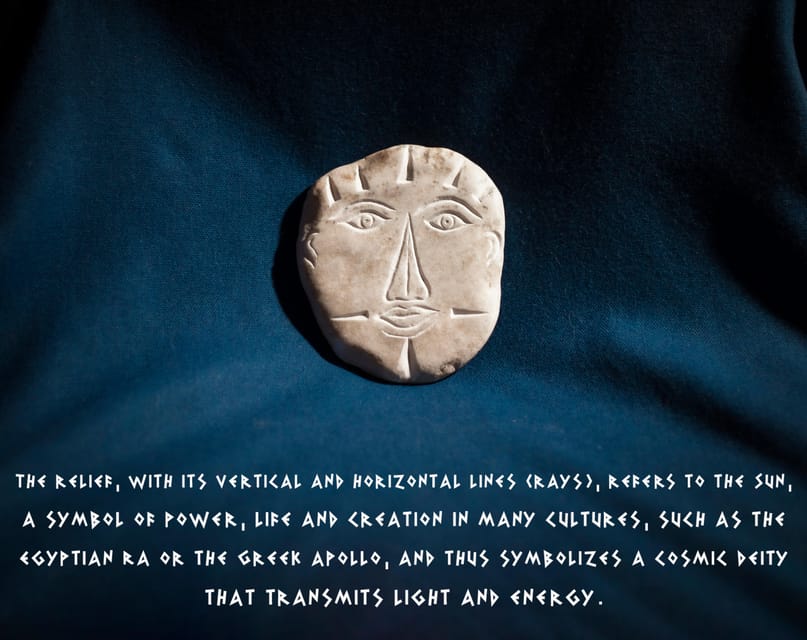
This is where the project moves beyond simple drawing. A shallow line can define an edge. A deeper section can create shadow. Several levels can make a basic symbol look more sculptural, even on a small piece of marble.
The instructors explain how the surface can be deepened to bring out light and shade. You do not need previous art training, but you do need to accept that the result may be handmade rather than perfect. That is a strength of the activity, not a flaw. Your finished symbol will show your decisions, your pressure, and your patience.
Still, be realistic about the time. The session lasts 135 minutes, and that includes the historical presentation, materials lesson, design work, carving, lettering, and color. A highly detailed design could take longer than the standard period allows. A simple symbol gives you a better chance of completing a satisfying piece without rushing.
This is also the part that demands the most physical effort. You may stand for close to two hours, and carving requires repeated hand movements. Wear comfortable clothing and shoes. Smoking is not allowed in the workshop.
Signing your work and adding a patina-like finish
Near the end, you engrave letters for your signature. This small detail changes the object from a practice exercise into your own signed work.
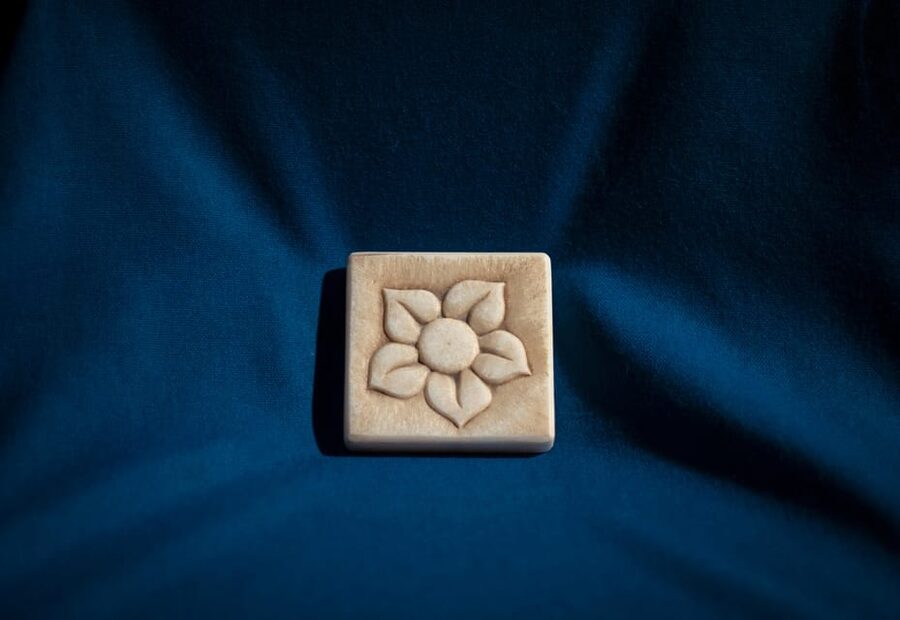
You then apply color to the marble surface to create a patina-like effect. The finish helps emphasize the engraved levels and gives the piece more visual character. It also lets you see how the same design can change when light and color work together.
The exact look of each finished project will depend on your symbol and carving depth. Some pieces may be clean and graphic. Others may show more texture and unevenness. That variation is expected from a hand-carved workshop.
Your personal project is included in the price, so you take it home rather than leaving with only photographs. Bring a camera if you want pictures of the process, the tools, or the finished piece. The marble work is also naturally suited to sharing online, but its best use may be as a small reminder of your time in Athens.
A small group makes a big difference
The workshop accepts up to four people. For a hands-on activity, this is one of the most important details to consider.
In a large class, you might spend much of the session waiting for help with a tool or design. Here, the instructors can look closely at your drawing, show you how to begin a cut, and help you correct a problem before it spreads across the stone.
The intimate format also suits people who want a calm creative session rather than a loud group activity. Families, couples, and friends can work side by side while making different symbols. Teenagers can take part, too. A family session included two teenage boys who stayed engaged, which is not always an easy result during an art activity.
The relaxed setting may also include small hospitality touches. One family received tea, honey donuts, and special wine, while another group was offered cold water on arrival. These details may vary by session, so I would treat them as a pleasant possibility rather than a promised part of the program.
The price: is $88 a fair value?
At $88 per person, this is not the cheapest way to spend two hours in Athens. You can visit a museum for less, and you can buy a marble souvenir without doing any of the work.
The value comes from the combination of instruction, setting, materials, and the finished piece. You receive a 135-minute session, a history and art lesson, access to traditional hand tools, personal guidance, and a marble project to take home. The group size also matters. You are paying for attention, not just admission to a room where someone demonstrates carving from a distance.
I think the price makes sense if you want an activity with a lasting physical result. It is especially good value for someone who has already seen ancient Greek statues and wants to understand the labor behind them. After using the tools yourself, columns, reliefs, and statues across Greece can look less like smooth decoration and more like the result of countless deliberate cuts.
The value is weaker if you dislike manual work, want a polished professional sculpture, or prefer a short demonstration. This is an art workshop, not a passive cultural talk. Your finished piece will be personal and handmade, but it may also show the marks of a beginner.
A short walk through Athens after the carving
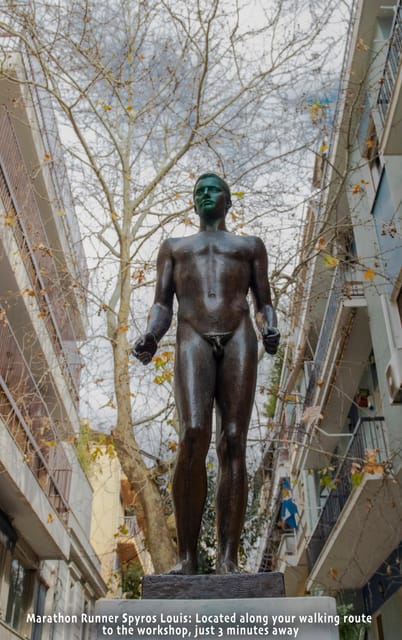
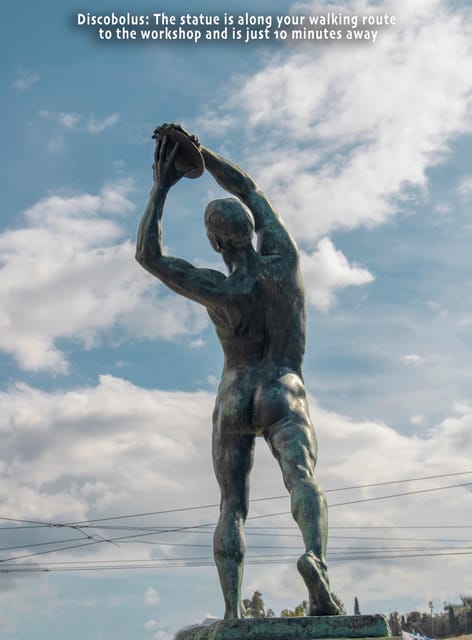
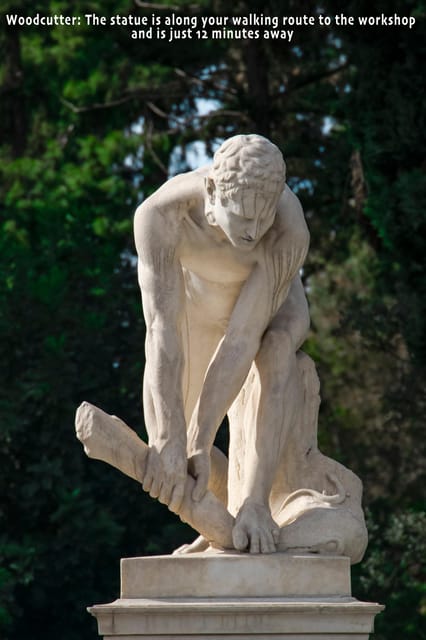
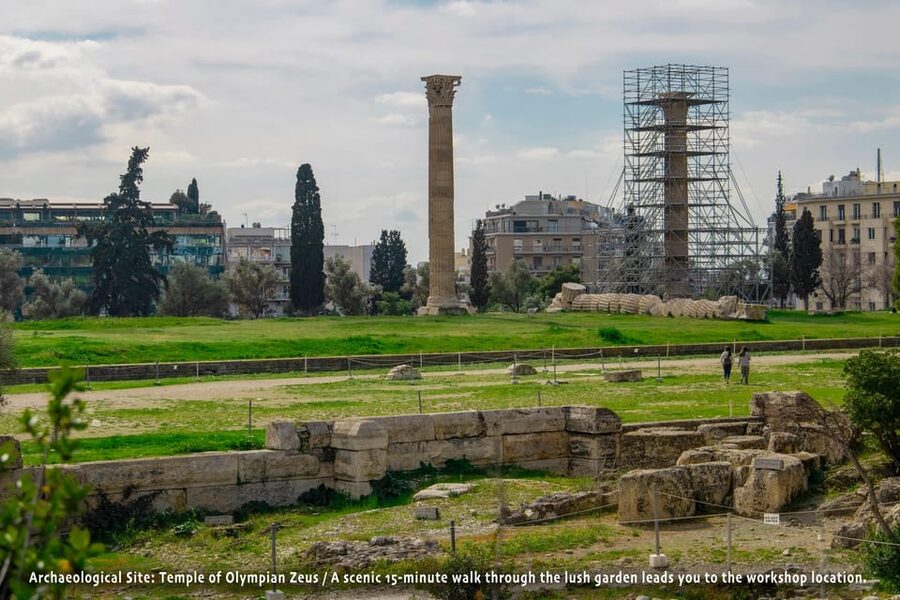
Those who want to continue can walk around the historical center of Athens to explore and photograph sculptures in the area. This is an optional addition, not a separate guided sightseeing tour with transportation.
I like the idea of pairing the workshop with a walk because it connects your small marble project to the city around you. You can look at public sculptures with a more practical eye: how are shadows cut, how do forms sit on a surface, and how much work might be hidden behind a smooth finish?
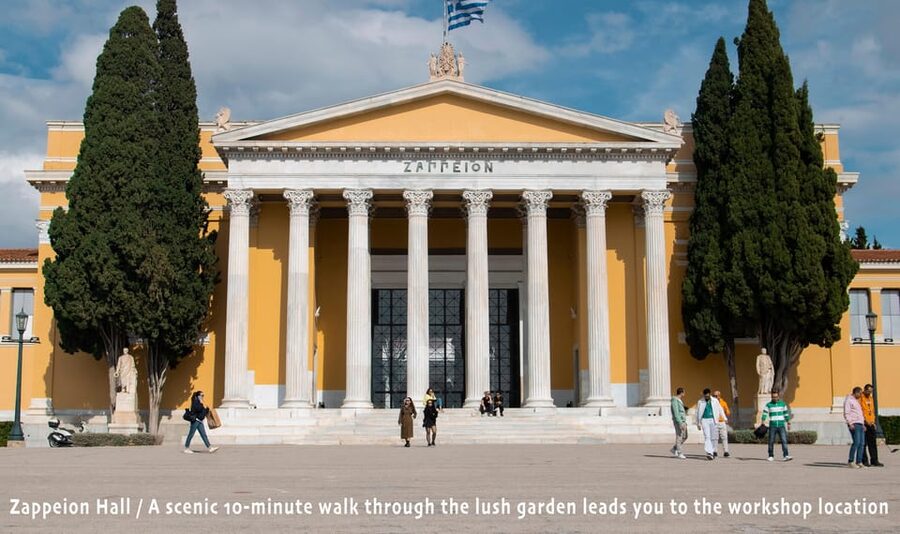
Since transportation to the workshop is not included, you need to make your own way to MarbleArt. The location is in central Athens, but one useful practical point is that the entrance may not be clearly marked for visitors who do not read Greek. Allow a little extra time to find it and check your arrival instructions carefully.
The historical-center setting makes this easy to fit into an Athens day, but you should not treat the optional walk as a guarantee of a full city tour. The core experience is the workshop itself.
Who will enjoy this most?
I would recommend this experience to you if you like cultural activities that involve doing, not just watching. It works well for first-time carvers because the program is designed for beginners and the instructors guide each stage.
It is a particularly good match for:
- Couples who want a shared souvenir with more meaning than a shop purchase
- Families with older children or teenagers who enjoy hands-on activities
- Art lovers who want to understand Greek sculpture through practice
- Visitors who have already seen the Acropolis and want a different side of Athens
- Anyone who likes small groups and individual instruction
You should think twice if you need wheelchair access, since the activity is not suitable for wheelchair users. You should also reconsider it if standing, repeated hand movements, dust, or physical effort would make the session uncomfortable.
Booking details worth knowing
The session lasts 135 minutes, and available starting times can vary. English and Greek are offered.
You can cancel up to 24 hours before the activity for a full refund, and the reserve-now, pay-later option keeps your plans flexible. Transportation is not included, so plan your route to the central Athens location yourself.
Bring a camera, comfortable clothing, and a mask if you are sensitive to dust. Goggles are provided. Smoking is not allowed.
Should you book the Marble Carving Workshop?
Book it if you want a personal Athens souvenir and are willing to work for it. The strongest parts are the tiny group, patient instruction, traditional tools, and the chance to connect ancient Greek sculpture with your own hands.
Choose a simple symbol, listen closely during the tool lesson, and leave enough time for the carving rather than spending too long on a complex drawing. At $88, it is a considered purchase, but the price includes more than a craft session: you get context, guidance, materials, and a signed marble piece that carries your own story.
Skip it if you want a quick, effortless activity or if accessibility and physical exertion are concerns. For most beginners who enjoy making things, though, MarbleArt offers a memorable break from the usual Athens sightseeing routine.
FAQ
Where does the marble carving workshop take place?
The workshop takes place at MarbleArt Athens, a local boutique museum and art space in the historical center of Athens, Greece.
How long does the workshop last?
The activity lasts 135 minutes.
How many people can join each session?
The workshop is offered to small groups of up to four people.
Is the workshop suitable for beginners?
Yes. The program is aimed at beginners, and the instructors provide guidance with the design, tools, engraving, and relief carving.
What will I make during the workshop?
You will create a personal symbol of strength in engraved or relief-like form on marble. You can take the finished project home.
Are materials and tools included?
The marble and materials for creating your sculpture are included. Traditional hand tools are used, and protective goggles are provided.
Which languages are available?
Instruction is available in English and Greek.
Is transportation included?
No. You are responsible for getting to the workshop location.
Is the workshop accessible to wheelchair users?
No. The activity is not suitable for wheelchair users.
Freshly added Athens trips
- Athens and Ancient Corinth Private from Athens★ 5.0 · 3 reviews
- Full day Meteora private tour★ 5.0 · 3 reviews
- Double Shore Dive (certified divers)★ 4.5 · 3 reviews
- From Athens: Mycenae and Epidaurus Private Tour★ 4.8 · 3 reviews
- Athens Hills: Mythology Treasure Hunt★ 5.0 · 3 reviews
- Sunset & swimming at Cape Sounio, Poseidon temple★ 5.0 · 3 reviews
- Philosophy Experience at Plato’s Academy Park – basic version★ 5.0 · 3 reviews
- Private Acropolis Tour – Ticket Included★ 5.0 · 3 reviews
Workshops, compared.

Classic Cooking Class with Market Visit and Wine
Read our review →
Food Market Visit and Cooking Class with Wine
Read our review →
Greek Cooking Class in Athens Including Rooftop Dinner with Acropolis View
Read our review →
Greek Small-Group Athens Cooking Class & Dinner
Read our review →

Greek Cuisine Cooking Class and 3-Course Dinner
Read our review →
Traditional Greek cooking class and lunch or dinner with an Acropolis view
Read our review →
Athens Airport Private Transfer by Mercedes-Benz E Class Wagon to City Center
Read our review →Browse the lists this tour appears in