
Reviewed · COOKING CLASSES
Local Home Cooking – A Taste of the Greek Islands in Athens
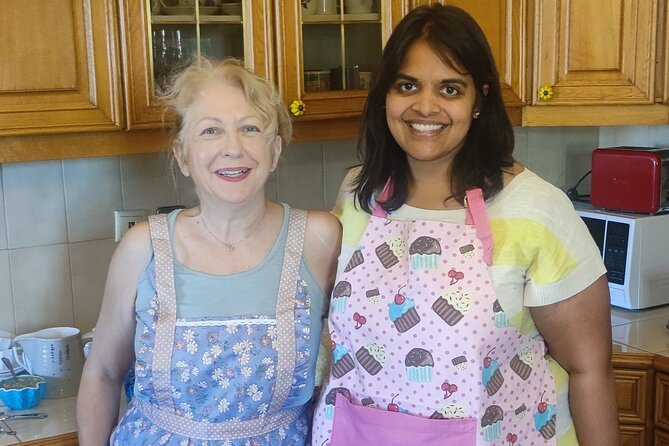
The most memorable part of this Athens experience is not simply learning to make Greek food. It is cooking in Fotini and Christo’s art-filled home, where paintings, antiques, and vintage furnishings turn dinner into a cultural visit as well as a meal. Christo, a professional cook from Corfu, leads the kitchen with humor and focus, while Fotini brings a thoughtful, personal touch.
I like the island-focused menu, especially dishes from Syros and Kimolos that you are unlikely to find on every taverna menu. I also like the choice of lunch or dinner, which makes this easier to fit into an Athens schedule. The main consideration is the fixed, non-refundable booking policy, so you should be sure of your plans before paying the $140 price.
In This Review
- Key points to know before booking
- An Athens cooking class with a real sense of place
- Meeting Christo and Fotini in Nea Smyrni
- Starting with the story of Greek cuisine
- Cooking the Syros parsley and caper salad
- Making feta pie and the Kimolos salad
- Baking spiced meatballs with tomato and potatoes
- Finishing with cocoa mossaiko
- Sitting down in an elegant dining room
- Who will enjoy this most
- Timing, transport, and practical details
- The main strengths and the one real caution
- Should you book this Athens home cooking experience?
- FAQ
- Where does the cooking experience take place?
- How long does the experience last?
- Is the class private?
- Is the experience offered in English?
- Can I choose lunch or dinner?
- Who leads the cooking class?
- What dishes will I prepare?
- Is a vegetarian option available?
- Are drinks included?
- Is transportation included?
- Can I cancel or change my booking?
Key points to know before booking
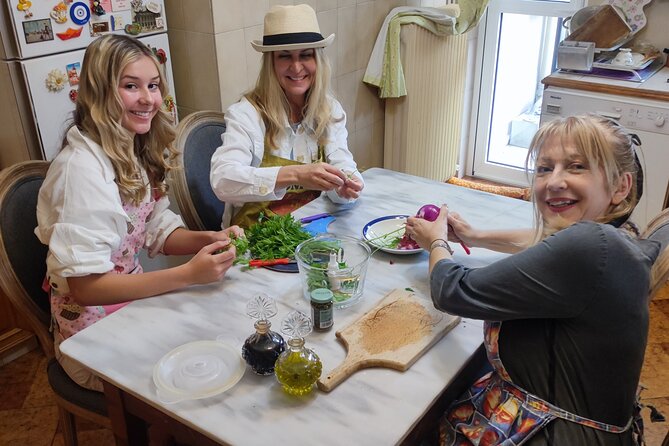
- Five traditional recipes: Prepare parsley and caper salad, feta pie, black-eyed pea salad, spiced meatballs, and a cocoa dessert.
- An art-filled private home: The setting includes original paintings, antiques, vintage décor, and a carefully arranged dining table.
- Island cooking in Athens: The menu looks beyond standard Greek fare, with recipes tied to Syros and Kimolos, plus Corfu influence from Christo.
- History before the cooking: You learn how geography and tradition shaped Greek food before you start preparing the dishes.
- Lunch or dinner options: Choose the time that works best for your day, with the full visit lasting about three hours.
- A personal meal afterward: Your group eats what you cooked with coffee or tea, soft drinks, and one or two glasses of Greek wine.
An Athens cooking class with a real sense of place
Many cooking classes give you a recipe, a workstation, and a quick meal at the end. This one places the food inside a home setting. You enter a private apartment in Nea Smyrni, a southern Athens district, and the surroundings matter.
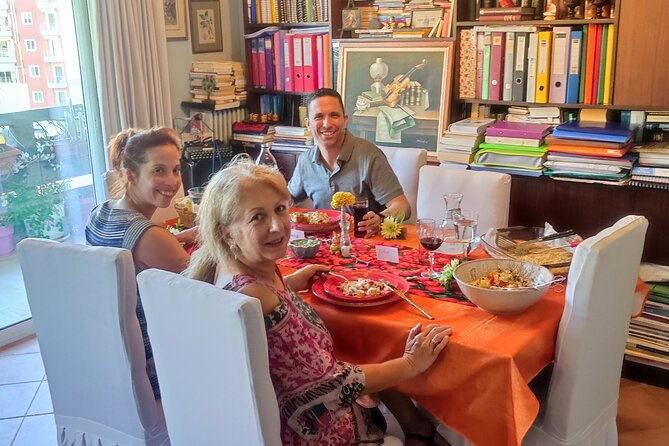
The home is decorated with paintings, antiques, and vintage pieces. The atmosphere is more like an elegant private salon than a plain teaching kitchen. That may appeal to you if food, design, and conversation are all part of the pleasure of a night out.
The class is private, so only your group takes part. That changes the tone. You are not trying to keep up with a large room of strangers, and you can spend more time asking about ingredients, Greek food customs, or the dishes on the table.
The experience lasts about three hours. That is long enough to cook five recipes and sit down for a proper meal, but it will still leave room in your day for Athens sightseeing. You can book it for lunch or dinner, a useful choice if you want to avoid giving up an evening near the Acropolis.
More cooking classes in Athens:
- Athens: Classic Cooking Class with Market Visit and Wine
★ 5.0 · 1,101 reviews - Athens: Food Market Visit and Cooking Class with Wine
★ 4.9 · 1,087 reviews - Greek Cooking Class in Athens Including Rooftop Dinner with Acropolis View
★ 5.0 · 826 reviews
Meeting Christo and Fotini in Nea Smyrni
The meeting point is Ikoniou 100, Nea Smirni 171 23, Greece. Private transportation is not included, but the location is near public transportation. You will need to make your own way there and return to the same meeting point when the meal is over.
That return detail is simple, but useful. You are not being dropped at a different part of the city after dinner, and you can plan your route around one fixed address. Confirmation is provided at booking, so check the meeting information carefully before the day of the class.
Christo and Fotini give the experience its character. Christo is a professional cook from Corfu, an island with its own strong food traditions and outside influences. Fotini is a passionate self-taught cook. Together, they offer both kitchen instruction and the feel of being welcomed into a Greek household.
Christo’s role appears to be practical and hands-on. He keeps the cooking moving and helps you stay on task, but the tone is not stiff. Fotini adds conversation and context, including an introduction to the history of Greek cuisine. You are not simply copying instructions. You are learning why these foods developed as they did.
Starting with the story of Greek cuisine
Before the knives and mixing bowls come out, you get an overview of Greek culinary history. This is one of the more valuable parts of the class because Greek food is not one single style.
The country’s islands and mainland regions have different crops, weather, trade links, and local habits. A recipe built around capers and herbs tells a different story from a meatball dish heavy with spices. A salad made with black-eyed peas and rice reflects another local kitchen altogether.
The historical introduction helps you connect those differences to the food you will prepare. That makes the class useful for serious food lovers who want more than a pleasant meal. You get a clearer sense of how place and tradition affect Greek cooking.
The presentation also helps explain why the menu reaches beyond the familiar. You may know Greek salad, feta, grilled meat, and moussaka. Here, the recipes include less common island dishes, which gives you a wider view of the cuisine.
Cooking the Syros parsley and caper salad
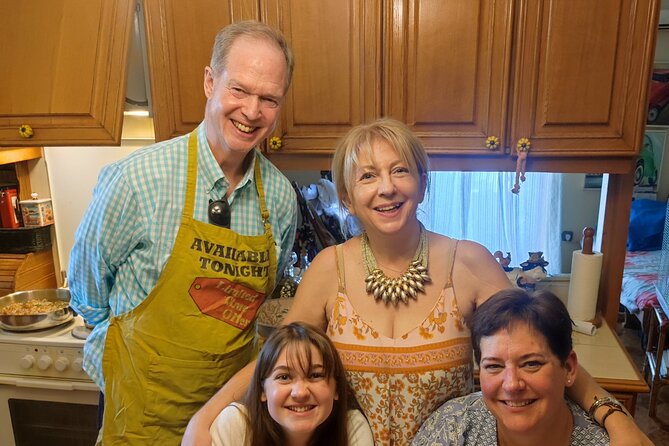
One of the first dishes is maidanosalata, a traditional recipe from Syros made with parsley, onion, caper, and garlic. It is a good example of how a few forceful ingredients can carry a dish.
The recipe highlights the sharp, herbal side of island food. Parsley gives it freshness, garlic adds bite, and capers bring a salty note. It is not the same familiar salad you may see beside a Greek taverna meal.
You prepare the dish as part of the five-recipe menu, so you get to see how it comes together rather than simply receiving it at the table. For a home cook, this is one of the recipes most likely to be useful later. It relies on accessible ingredients and a straightforward method, while still tasting distinctly Greek.
Same city, a completely different century:
- Athens: Acropolis & up to 5 Archaeological Sites Combo Pass
★ 4.4 · 12,619 reviews - Athens: Acropolis Ticket with Optional Audio or Live Guide
★ 4.2 · 11,055 reviews - Athens: Acropolis, Parthenon & Acropolis Museum Guided Tour
★ 4.8 · 9,316 reviews - Athens: Cape Sounion & Poseidon Temple Sunset Half-Day Trip
★ 4.8 · 8,241 reviews
Making feta pie and the Kimolos salad
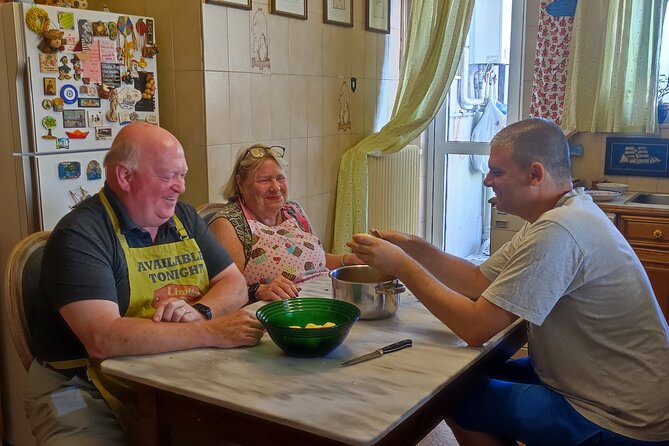
The menu also includes tebelopita, a traditional Greek pie made with Greek feta cheese. A feta pie gives the class a chance to focus on one of the country’s best-known ingredients in a different form.
The appeal here is practical. You are not only tasting feta in a salad or alongside bread. You are using it in a baked dish, with the instructors guiding you through the process. The recipe is also a good match for a vegetarian meal, though you should state your dietary needs when booking if necessary.
Papoudia salad comes from Kimolos and combines black-eyed peas, rice, and vegetables. This is another island recipe that broadens the meal beyond standard restaurant offerings. Black-eyed peas make it more substantial than a simple side salad, while rice and vegetables give it a home-cooking quality.
Together, these two dishes show the range of the class. The feta pie is rich and savory, while the Kimolos salad is built around legumes, grains, and vegetables. You are learning several different ways Greek cooks make a meal satisfying.
Baking spiced meatballs with tomato and potatoes
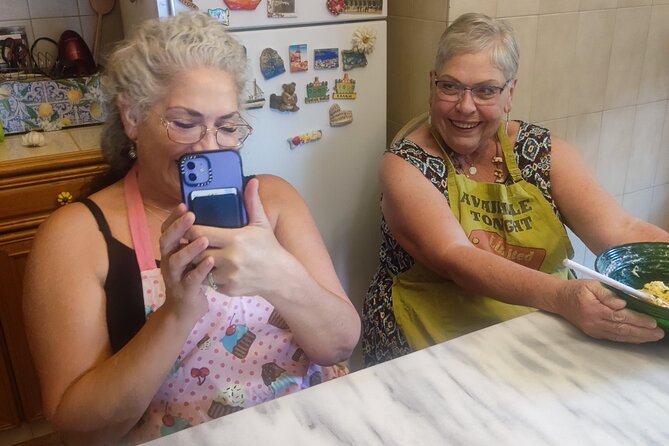
Soutzoukakia in the oven are Greek meatballs made with many spices, tomato sauce, and potatoes. This is likely to be the most familiar comfort-food dish on the menu, but the spice mixture gives it a character of its own.
The meatballs are baked in the oven rather than simply fried. Tomato sauce and potatoes make the dish feel like a complete family meal, not just a plate of small bites. This is the kind of recipe that explains why home cooking can feel more substantial than a quick restaurant order.
You will also see how several dishes can be prepared as one meal. The class is not five unrelated demonstrations. Each recipe contributes a different texture and flavor to the final table: herbs, salty cheese, legumes, spiced meat, tomato, and dessert.
Finishing with cocoa mossaiko
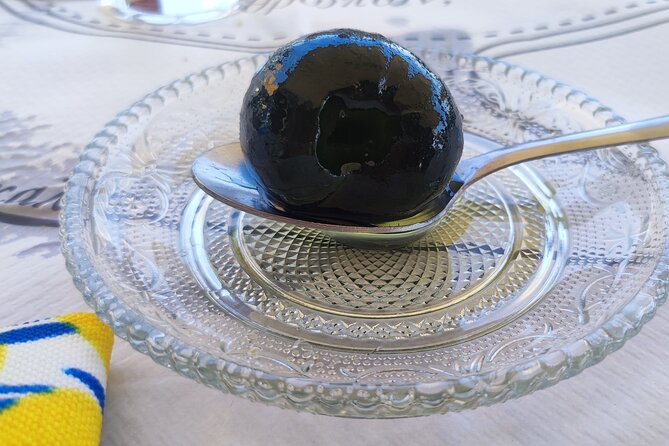
Dessert is mossaiko, a traditional Greek sweet made with cocoa. The menu description does not give further ingredients, so you should think of it as a simple traditional finish rather than a pastry lesson with a long list of techniques.
That is part of the class’s appeal. The focus is on recognizable home recipes and the way they fit together. After savory dishes with island connections, the cocoa dessert gives you a familiar, comforting ending.
The full menu also includes coffee or tea and soft drinks. One or two glasses of wine are provided for adults at least 18 years old. The wine is not the sole focus of the evening, but it helps turn the meal into a relaxed dinner rather than a rushed tasting.
Sitting down in an elegant dining room
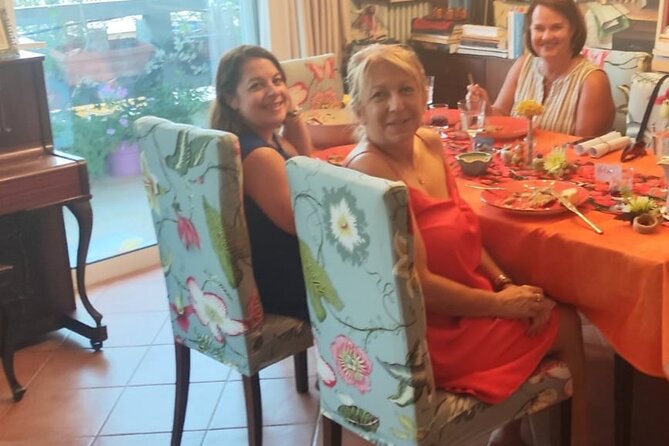
After the cooking, you eat in the home’s dining room. The setting is carefully arranged, with an artful table setting and the paintings and antiques providing the backdrop. The meal is meant to feel intimate and special.
This is where the price begins to make more sense. You are paying for a private three-hour visit, instruction from two hosts, five dishes, the meal itself, drinks, and a setting that is part of the experience. It is not the cheapest way to eat in Athens, and you could certainly find a less expensive meal at a taverna.
The value depends on what you want. If your goal is simply to eat Greek food, $140 per person is a high price. If you want personal instruction, a private group, unusual regional recipes, conversation about Greek cuisine, and a meal in an art-filled home, the cost is easier to justify.
The dining portion also gives you time to talk with Fotini and Christo. That social element is important. The meal is not just the reward for finishing the recipes. It is the point at which the food, the home, and the stories come together.
Who will enjoy this most
I would recommend this class most strongly to food-focused visitors who want context with their meal. You should book it if you enjoy learning how recipes connect to geography, family customs, and local ingredients.
It also suits couples, families, and small groups who prefer a private activity. Since only your group participates, you do not need to shape the evening around strangers. The setting may appeal to anyone interested in art, antiques, or unusual homes as much as cooking.
Vegetarians have an option, which is useful given the cheese pie, salads, and other meat-free dishes on the menu. You should still confirm your needs when booking, since the specific vegetarian preparation is not detailed.
The class may be less suitable if you want a fast demonstration with little participation. You are expected to cook five dishes, so the hands-on work is central. It is also not the best choice for anyone whose Athens plans are uncertain, because the booking cannot be refunded or changed after purchase.
Timing, transport, and practical details
You can choose lunch or dinner. Lunch may work well if you want a substantial midday activity and a quieter evening for sightseeing. Dinner is better if you want the cooking to become the main social event of the night.
The activity ends back at the meeting point. Since transportation is not included, plan your route to Nea Smirni in advance. The area is near public transportation, and the stated meeting address is Ikoniou 100.
A mobile ticket is accepted, and the experience is offered in English. Confirmation arrives at the time of booking. Most people can participate, and service animals are allowed.
Alcohol is limited to one or two glasses of wine, and the minimum drinking age is 18. That makes the meal suitable for a mixed group, since coffee, tea, and soft drinks are also included.
The experience is booked, on average, about five days ahead. That is not a promise of availability, but it is a useful planning clue. If this class is important to your Athens schedule, reserve before the last day or two rather than building your plans around a walk-in possibility.
The main strengths and the one real caution
The strongest feature is the combination of personal hospitality and unusual food. Christo and Fotini are not presenting a generic menu in a commercial classroom. They are welcoming you into their own home and serving recipes tied to Greek islands and regional traditions.
The second major strength is the complete evening. You receive history, cooking, conversation, food, wine, and a distinctive setting in about three hours. The art-filled apartment gives the event a visual character that a standard cooking studio would not have.
The main caution is price. At $140 per person, this is a special-occasion activity, not a budget meal. You should also keep in mind the strict cancellation terms. The experience is non-refundable and cannot be changed for any reason, so do not book until your date and group are firm.
Should you book this Athens home cooking experience?
Book it if you want Greek food explained through island recipes, personal stories, and hands-on work. The Syros parsley and caper salad, Kimolos black-eyed pea salad, feta pie, spiced meatballs, and cocoa mossaiko create a more interesting lesson than a basic Greek salad demonstration.
I would especially choose it for a food-loving couple or small group that values privacy and atmosphere. You will pay more than you would for dinner alone, but you receive a meal, a class, a cultural conversation, and access to an elegant private home.
Skip it if you are watching every euro, dislike cooking, or may need to change your plans. For everyone else, this is a thoughtful way to spend three hours in Athens and leave with a clearer understanding of how Greek island cooking reaches the table.
FAQ
Where does the cooking experience take place?
It takes place at Estia Neas Smyrnis, at Ikoniou 100, Nea Smirni 171 23, Greece.
How long does the experience last?
The activity lasts approximately three hours.
Is the class private?
Yes. Only your group participates in this private activity.
Is the experience offered in English?
Yes, the experience is offered in English.
Can I choose lunch or dinner?
Yes. Lunchtime and dinnertime classes are available.
Who leads the cooking class?
Christo, a professional cook from Corfu, and Fotini, a passionate self-taught cook, lead the experience.
What dishes will I prepare?
The sample menu includes maidanosalata from Syros, tebelopita with Greek feta, papoudia salad from Kimolos, soutzoukakia with tomato sauce and potatoes, and mossaiko, a cocoa dessert.
Is a vegetarian option available?
Yes, a vegetarian option is available.
Are drinks included?
Yes. Coffee or tea, soft drinks, and one or two glasses of wine are included. The minimum age for alcohol consumption is 18.
Is transportation included?
No. Private transportation is not included. The experience begins and ends at the meeting point, which is near public transportation.
Can I cancel or change my booking?
No. The experience is non-refundable and cannot be changed for any reason.
Freshly added Athens trips
- Athens and Ancient Corinth Private from Athens★ 5.0 · 3 reviews
- From Athens: Mycenae and Epidaurus Private Tour★ 4.8 · 3 reviews
- Full day Meteora private tour★ 5.0 · 3 reviews
- Double Shore Dive (certified divers)★ 4.5 · 3 reviews
- Athens Hills: Mythology Treasure Hunt★ 5.0 · 3 reviews
- Sunset & swimming at Cape Sounio, Poseidon temple★ 5.0 · 3 reviews
- Philosophy Experience at Plato’s Academy Park – basic version★ 5.0 · 3 reviews
- Private Acropolis Tour – Ticket Included★ 5.0 · 3 reviews
Cooking Classes, compared.
Classic Cooking Class with Market Visit and Wine
Read our review →
Food Market Visit and Cooking Class with Wine
Read our review →
Greek Cooking Class in Athens Including Rooftop Dinner with Acropolis View
Read our review →
Greek Small-Group Athens Cooking Class & Dinner
Read our review →
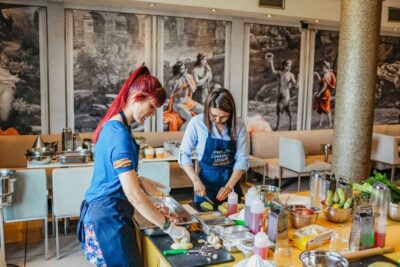
Greek Cuisine Cooking Class and 3-Course Dinner
Read our review →
Traditional Greek cooking class and lunch or dinner with an Acropolis view
Read our review →
Athens Greek Cooking Class Pita Gyros from Scratch with a Local
Read our review →Browse the lists this tour appears in