
Reviewed · METEORA TOURS
From Athens:Meteora Caves & Monasteries History Day Trip by Train
Meteora is one of Greece’s great sights: giant stone pillars topped with centuries-old monasteries, reached by steep steps and cliffside paths. This 14-hour trip from Athens gets you there without arranging trains, local transport, and monastery visits yourself.
I like the train ride through the Greek countryside, and I like the small-group van once you reach Kalambaka. Guides such as Chrysa, Joanna, and Kris have been praised for clear explanations and for helping with photos. The catch is simple: this is a very long day, with many hours spent getting there and back.
In This Review
- Key points to know before booking
- Why Meteora is worth such a long day
- The 7:00 am start at Larissis Station
- The train to Kalambaka, with a possible bus connection
- Meeting your guide in Kalambaka
- Seeing all six monasteries from the road
- Entering three monasteries
- Lunch and free time in Kastraki
- What the $126.71 price really covers
- The small-group minibus advantage
- Who should book this Meteora day trip
- My verdict: an unforgettable place, but a punishing schedule
- FAQ
- How long is the Athens to Meteora tour?
- Where does the train journey begin?
- Will a guide meet me at the Athens train station?
- How many monasteries will I visit?
- How much are the monastery entrance fees?
- Is lunch included?
- Does the tour include the Hermit Caves?
Key points to know before booking
- You board the Athens train without a guide: Your e-tickets arrive by email, and you meet the local guide in Kalambaka.
- All six monasteries are viewed from outside: You enter three, depending on the day and opening schedule.
- The Hermit Caves are included: This adds a striking human touch to the visit beyond the main monastery stops.
- The train journey can be affected by rail repairs: Some departures have used a bus connection between Paleofarsalos and Kalambaka.
- Bring cash for monastery entry: Admission is €5 per person at each monastery, and cards are not accepted.
- Expect stairs, hills, and uneven paths: The views reward the effort, but this is not a relaxed coach sightseeing loop.
Why Meteora is worth such a long day
Meteora is not simply a group of old churches set on high rocks. The setting explains the story. Monks began building communities here more than 700 years ago, using isolated stone towers as places for prayer and refuge. The monasteries seem to grow out of the cliffs, and the sight changes as your minibus winds between them.
I find the scale hard to grasp from a photograph. You see one monastery on a distant pinnacle, then turn a corner and find another directly above you. From the viewpoints, the pale rock formations spread across the valley, with Kalambaka and Kastraki below.
The day trip works best if you treat Meteora as the main event and the transport as the price of admission. From Athens, the journey takes several hours each way. That leaves roughly four hours in the Meteora area, including the monastery stops and free time in Kalambaka.
For a first visit to Greece, this can be a memorable choice. You see a place unlike Athens, the islands, or the usual archaeological sites. But if you dislike long transport days, a two-day Meteora stay will make much more sense.
More Meteora trips from Meteora:
- Athens: Meteora Monasteries Day Trip with Caves and Lunch
★ 4.7 · 2,964 reviews - Athens: Meteora Monasteries Day Tour with Lunch
★ 4.8 · 2,196 reviews - Athens: Meteora Tour with Local Guide and Greek Lunch
★ 4.8 · 1,561 reviews
The 7:00 am start at Larissis Station
Your day begins early. The train leaves from Larissis Station, Athens’ main railway station, and the start time is listed as 7:00 am. You are responsible for reaching the station from your accommodation, since hotel pickup and drop-off are not included.
The most important practical detail is that you board the train on your own. The tour operator sends the train e-tickets by email a few days before departure. No guide is scheduled to meet you in Athens, so read the instructions carefully and check your carriage and seat number before boarding.
The station can cause confusion because the railway platforms are above the Larissa underground station. One useful detail is that a past departure used platform 8, but you should rely on your ticket and station signs for the current platform.
If the tickets have not arrived, contact the operator before leaving for the station. Without them, you cannot board. This small check can prevent the worst possible start to the day.
The train to Kalambaka, with a possible bus connection
The train ride offers a welcome change from city streets. From your seat, you can watch fields, hills, villages, and open countryside pass by. Several people have found the ride comfortable and restful, especially when they used the time to read, talk, or simply look out the window.
The rail route has not always operated all the way to Kalambaka. Flood damage and construction have led to bus transfers between Paleofarsalos and Kalambaka on some departures. That means the day may involve a train, a station transfer, and a bus before the local Meteora portion begins.
This arrangement can feel cumbersome, especially if you expected one direct train. It also makes the return journey less predictable in spirit, even though the tour provides instructions. At the same time, the transport changes have allowed the excursion to continue during rail disruption.
Bring water, a phone charger, and something to occupy you. Wi-Fi and USB chargers are available once you join the tour vehicle, but you should not assume the entire rail journey will offer the same setup.
Meeting your guide in Kalambaka
When you arrive in Kalambaka, look for a guide holding a sign with your name. This is the handoff point between the independent rail journey and the local Meteora tour.
The group is capped at 15 people, and the transport is described as a luxury Mercedes minibus. In practice, the smaller vehicle matters because the road up to the monasteries is winding and the stops are close together. A local guide can also adjust the rhythm more easily than a large coach.
The guides named in the feedback include Chrysa, Joanna, Kris, Juliana, and Celia. The strongest experiences came from guides who explained the rock formations, monastery origins, religious customs, and local culture while also helping people find good photo spots.
That personal approach is useful here. Meteora can look like a collection of dramatic viewpoints if you only stop, take a picture, and leave. A good guide gives the cliffs and buildings a human story.
The quality of the narration may vary. One account described a guide change after illness and found the replacement’s explanation fairly basic. The tour includes an English-speaking tour leader, but not a licensed guide inside the monasteries, so you should expect general interpretation rather than a specialist lecture at every church.
A few more Meteora days worth a look
- From Athens: Meteora Train Trip with Overnight Stay
★ 4.8 · 40 reviews - Private Full-Day Trip to Meteora by Train From Athens – Local Agency
★ 5.0 · 28 reviews - Athens to Meteora DayTrip by Train in Spanish language – Local Agency
★ 4.5 · 25 reviews - Athens: Meteora Daytrip by train with optional lunch
★ 4.3 · 13 reviews
Seeing all six monasteries from the road
The route is designed to show you all six remaining monasteries from the outside. You will not enter every one, but the minibus stops at viewpoints so you can photograph the buildings and cliffs from different angles.
The six monasteries are:
- Great Meteoron: The oldest and largest monastery in the group.
- Varlaam: The second-largest monastery, with a strong position above the valley.
- Saint Stephen: The easiest to reach.
- Holy Trinity: The most difficult to access, and known for its connection to a James Bond film.
- Roussanou: Considered one of the easier monastery visits.
- Saint Nicholas: The first monastery you encounter on the road toward Meteora and an important site for its iconography.
This outside viewing is one of the tour’s strengths. You get a broad sense of the whole site instead of spending all your time at one building. The downside is that the schedule cannot offer a detailed visit to all six.
The route also includes the Hermit Caves. These add context to the monasteries because they show the earlier, more solitary form of religious life in the cliffs. You see that Meteora was not built only as a grand architectural display. The rocks first drew people seeking isolation and prayer.
Entering three monasteries
You visit three monasteries and walk through their interiors. The exact three depend on the arrival day and local opening arrangements, so you should not book this expecting one fixed combination.
Inside, you can expect Christian architecture, religious art, and centuries of monastic history. The buildings are not large museum halls. The paths, stairs, and entrances are part of the experience, and the setting often matters as much as the rooms themselves.
The physical effort deserves clear warning. You may climb steep stairs and walk on uneven surfaces along exposed cliffside routes. Several accounts describe the activity as demanding for anyone unused to cardio exercise. One person with a recent knee replacement managed the visit, but that should not be taken as a guarantee for every visitor.
Wear firm shoes and pace yourself. Keep your camera secure, and allow time to stop for the views rather than rushing from door to door. If you need a lower-effort visit, Saint Stephen is described as the most accessible of the six, though the day still includes walking and hills.
The €5 entrance fee is not included in the tour price. You need €5 in cash for each monastery you enter, and cards are not accepted for these payments. Since three monasteries are included in the usual plan, bring at least €15 per person, with extra cash for food or other needs.
Lunch and free time in Kastraki
After the monastery circuit, you are transferred to central Kalambaka, with a stop in Kastraki for about 20 minutes for a break, coffee, lunch, or a food-market visit. The timing can vary with the day’s transport and monastery schedule.
Lunch is not included, but the local restaurant option has received warm praise for generous portions and home-cooked Greek food. A meal has been described as costing about €15, though prices can change. If you prefer a quick coffee or snack, the free period gives you that choice.
The town stop is short, so do not count on a long, leisurely meal. You are still working around the return train. Your guide gives instructions for getting back to the station, and you need to follow them closely.
This pause is useful after the stairs. It also lets you see Kalambaka below the cliffs instead of treating the town as only a transport point.
What the $126.71 price really covers
At $126.71 per person, the price is reasonable if you value convenience and are determined to see Meteora from Athens in one day. It includes the round-trip Athens to Kalambaka train tickets, the local minibus, an English-speaking tour leader, bottled water, Wi-Fi, USB charging, the three monastery interiors, the outside views of all six monasteries, and the Hermit Caves.
You are also paying to avoid planning several moving parts. Without this arrangement, you would need to manage the rail journey, possible replacement transport, the Kalambaka meeting point, local roads, monastery timing, and the return connection yourself.
The value is weaker if you measure the tour by sightseeing hours. Much of your 14-hour day is spent in transit, and the actual Meteora portion may feel short compared with the distance from Athens. A two-day visit costs more in time and accommodation, but gives the site room to breathe.
Budget separately for lunch, monastery entry, transport to Larissis Station, and optional gratuities. Travel insurance is also not included.
The small-group minibus advantage
The minibus is a major improvement over a full-size coach. You can get between the monasteries quickly, hear your guide more easily, and receive help with photographs. Several guides and drivers have been praised for finding strong viewpoints and taking pictures for people in the group.
The vehicle experience may not be perfect every time. One account described a rough ride and weak air-conditioning in the rear row on a hot day. Another described the van as comfortable, while a different account found the replacement bus cramped and warm.
That is a reminder to keep expectations practical. The route is mountainous, and road comfort can depend on the vehicle and your seat. Wi-Fi and charging are useful, but the minibus is still a working tour vehicle rather than a private car.
The group limit of 15 is a real benefit when the vehicle is operating as planned. One reported change involved a larger group after a vehicle problem, which reduced the small-group advantage. If group size is your main reason for booking, confirm the arrangement if the operator contacts you about a transport change.
Who should book this Meteora day trip
I would choose this tour if you have only one free day beyond Athens and Meteora is high on your list. It gives you the essential visual experience, three monastery interiors, the Hermit Caves, and local transport with very little planning.
It also suits families and solo visitors who want help with directions and photos. Guides have engaged children as young as 7 and 8, and the small group can feel more personal than a large coach outing.
I would hesitate if you have limited mobility, dislike steep steps, or find long rail journeys tiring. I would also avoid it if you want to study monastery art and architecture in detail. The tour is a broad introduction, not a slow research visit.
Most importantly, do not mistake the word day trip for a light outing. You may leave Athens around 7:00 am and return late at night. The return can be around 10:00 pm, depending on the transport schedule.
My verdict: an unforgettable place, but a punishing schedule
Meteora is the reason to book this experience. The cliffs, monasteries, and Hermit Caves offer a rare combination of scenery, faith, and human courage. The best guides add real value by explaining what you are seeing and helping you use the limited time well.
The train makes the journey scenic, but rail disruption can add a bus transfer and extra uncertainty. The monastery visits are rewarding, but the stairs and uneven paths are serious. The price covers the hard-to-arrange pieces, but you pay for them with a very long day.
Book it if you want a well-supported first look at Meteora from Athens and can handle a demanding schedule. If you can spare two days, choose the slower option. You will have more time for the monasteries, Kalambaka, and the quiet details that a fast visit can miss.
FAQ
How long is the Athens to Meteora tour?
The experience lasts about 14 hours. The listed start time is 7:00 am, and the return to Athens can be late in the evening.
Where does the train journey begin?
You begin at Larissis Station, Athens’ main railway station. Hotel pickup and drop-off from your accommodation to the station are not included.
Will a guide meet me at the Athens train station?
No. You board the train independently using the e-tickets sent by email. You meet the local guide in Kalambaka, where the guide holds a sign with your name.
How many monasteries will I visit?
You see all six remaining monasteries from the outside and enter three of them. The exact three depend on the arrival day and opening arrangements.
How much are the monastery entrance fees?
Admission is €5 per person for each monastery. Cards are not accepted, so bring cash. The entrance fees are not included in the tour price.
Is lunch included?
No. Lunch is not included. You have time for lunch, coffee, a break, or a food-market visit in the Kalambaka or Kastraki area.
Does the tour include the Hermit Caves?
Yes. A visit to the Hermit Caves is included along with the monastery visits and outside views of the six monasteries.
More 1-Day Tours in Meteora
- Meteora Day Trip with central Pick up & optional Lunch
★ 5.0 · 590 reviews - Meteora Monasteries Private Full Day Trip From Athens
★ 5.0 · 360 reviews - Athens: Meteora Day Trip with Audio Guide and Lunch Option
★ 4.7 · 235 reviews - Delphi and Meteora Private Day Trip from Athens including Dinner
★ 5.0 · 200 reviews
More ancient history days in Meteora
- Historical Delphi One Day Tour with Arachova Stop & Expert Guide
★ 4.5 · 1,247 reviews - Historic Athens: Small Group Electric Bike Tour
★ 4.9 · 740 reviews - The History of Athens: Greek Mythology Private Tour
★ 5.0 · 138 reviews - Athens Highlights by E-Bike: Small-Group Historic Tour
★ 5.0 · 131 reviews
Freshly added Meteora trips
- Full day Meteora private tour★ 5.0 · 3 reviews
- 4-Day Most Popular Greek Sites: Nafplio, Olympia, Delphi, Meteora★ 4.5 · 3 reviews
- Meteora Full-Day Trip with Guide on Luxury Bus From Athens★ 3.5 · 3 reviews
- From Athens: 2-Day Meteora Trip with Tansportation & Hotel★ 5.0 · 3 reviews
- BEST 7-Day CLASSICAL GREECE: Corinth Olympia Delphi Meteora more!★ 5.0 · 3 reviews
- 2 Days Private Tour/ Delphi (Apollo Oracle) & Meteora (Orthodox Monasteries)★ 5.0 · 4 reviews
- Visit Delphi & Meteora Monasteries Full Day Private Trip★ 5.0 · 4 reviews
- From Athens: Meteora Private Day Trip with Transfer★ 5.0 · 4 reviews
Meteora Tours, compared.
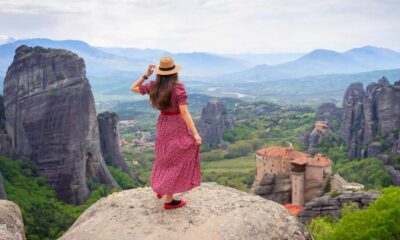
Meteora Monasteries Day Trip with Caves and Lunch
Read our review →

Meteora Tour with Local Guide and Greek Lunch
Read our review →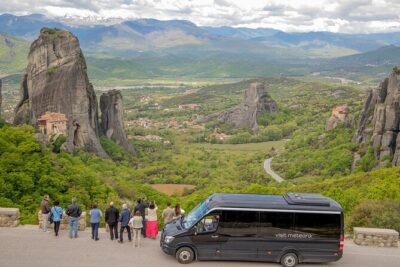
Meteora Monasteries, Caves & Coastal Stopovers with Lunch
Read our review →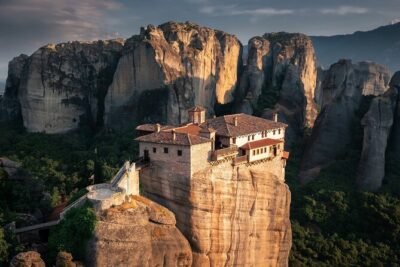
Meteora Monasteries & Caves DayTrip from Athens with Greek Lunch
Read our review →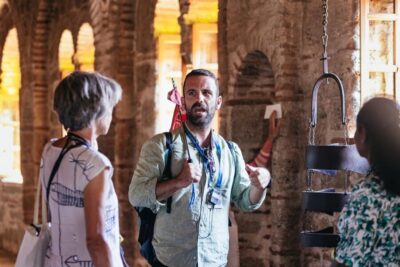
4-Day Classical Greece Tour: Epidaurus, Mycenae, Olympia, Delphi, Meteora
Read our review →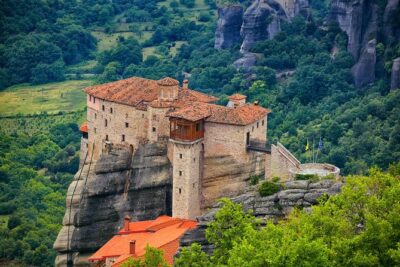
Meteora Monasteries, Hermit Caves Tour with Pickup
Read our review →Browse the lists this tour appears in