
Reviewed · GREEK FOOD TOURS
Athens: The Classic Food Tasting Tour
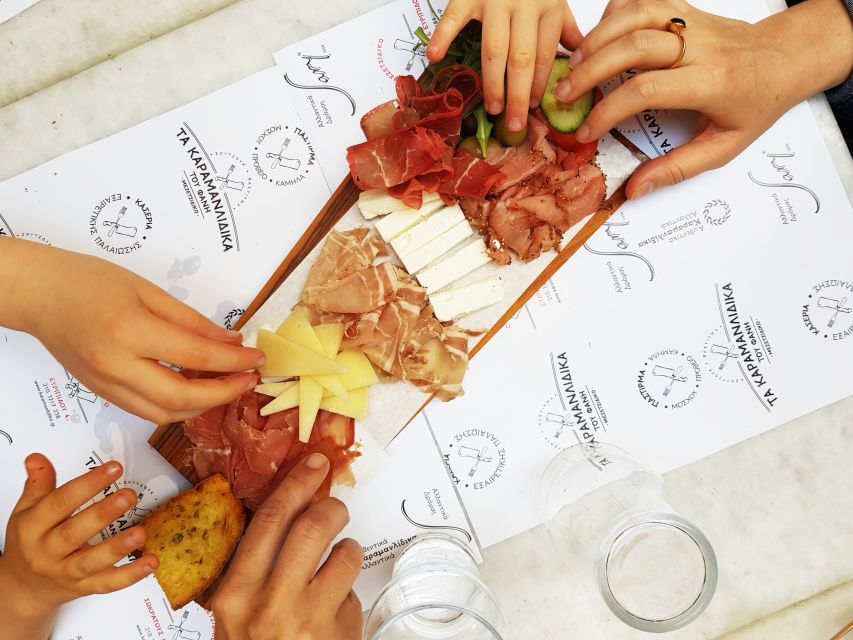
Athens reveals itself especially well through its food stalls, old bakeries, coffee counters, and neighborhood delis. This 3 to 3.5-hour walk starts near Monastiraki and takes you toward Omonia and Varvakios Market, with more than 18 Greek delicacies along the way. You may taste Greek yogurt, traditional pies, Cretan cheese, olives, rusks, coffee, pastries, ice cream, and a final round of mezze with tsipouro.
I like the way the tour uses food to explain daily life, not just famous dishes. I also like the small group of up to 10 people, which makes it easier to ask questions and stay connected with the guide. The main drawback is simple: you need to arrive hungry. The samples are generous, the walk is substantial, and anyone expecting a light snack tour may feel very full by the end.
In This Review
- Key points to know before booking
- Starting at Monastiraki and heading into local Athens
- Greek yogurt, pies, and the morning side of the menu
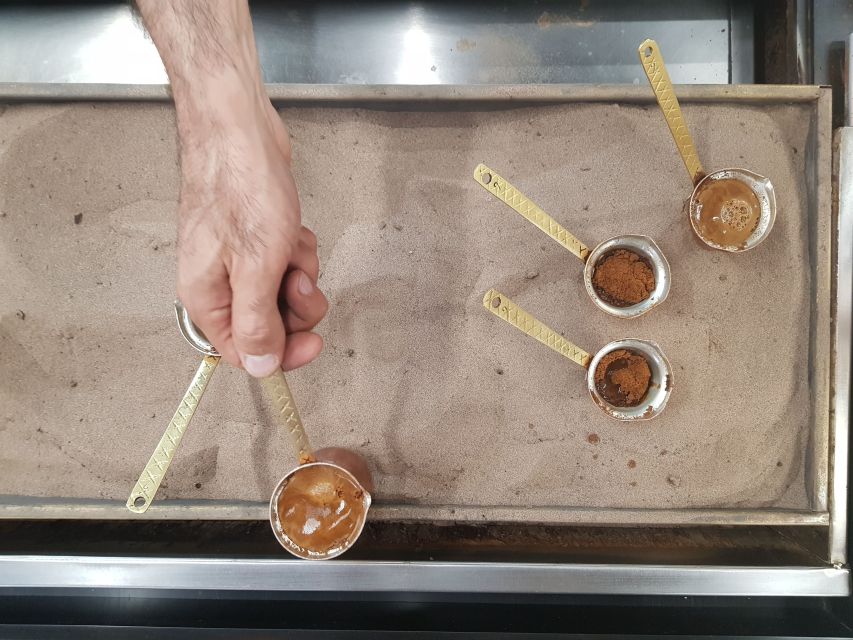
- Greek coffee heated in sand
- Inside Varvakios Market
- Cretan flavors in the center of Athens
- The final mezze and tsipouro stop
- What the guides add to the food
- Walking, weather, and dietary needs
- Is $80 a fair price?
- Who should book this Athens food tour?
- FAQ
- Where does the Athens food tour meet?
- How long does the tour last?
- How much food is included?
- What foods might I taste?
- Is Greek coffee included?
- Is the tour offered in English?
- How large is the group?
- What should I bring?
- Should you book it?
Key points to know before booking
- More than 18 tastings: Expect a broad introduction to Greek food, from breakfast pastries and coffee to savory deli goods and mezze.
- Varvakios Market visit: Walk through Athens’ central food market, where meat, fish, produce, and local goods are sold.
- Cretan food stop: Taste Cretan cheese, olives, rusks, olive oil, wine, and raki in a traditional setting.
- Old-school and modern coffee: See Greek coffee prepared in a sand-heated bed at a local favorite.
- Small-group format: The group is limited to 10, with English and German tours available.
- Best practical tip: Wear comfortable shoes, use sunscreen, and tell the guide about allergies or digestive problems before tasting begins.
Starting at Monastiraki and heading into local Athens
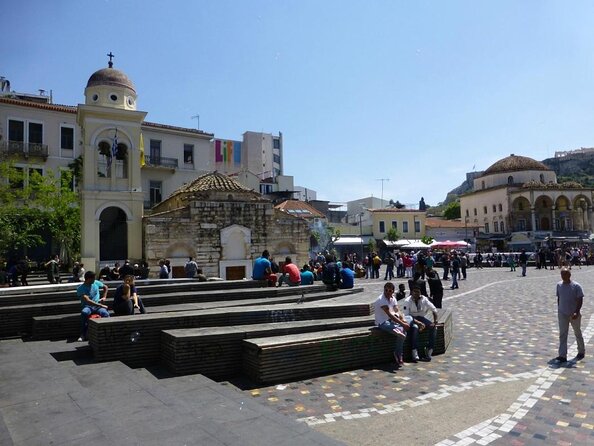
The meeting point is Monastiraki Square, in front of the little church. This is an easy place to reach by Athens’ green or blue metro lines, and it puts you close to the older commercial quarters of central Athens.
From there, the route moves through streets that show a less polished side of the city. You are not simply being led from one restaurant to another. The walk connects small food businesses, market stalls, bakeries, and delis, giving you a useful look at where Athenians shop and eat.
I would book this near the start of your Athens stay. Several stops are the kind of places you might walk past without knowing what to order, and the guide can help you recognize foods and Greek names later in the trip. It also gives you a practical sense of the central neighborhoods before you explore them alone.
The exact order of stops can vary, but the route generally covers Monastiraki, Omonia, the Varvakios food market, and nearby specialty shops. Allow for plenty of standing, walking, and sampling. This is a food walk with sightseeing included, not a seated meal with a few brief comments.
More Greek food walks in Athens:
- Greek Food Walking Tour in Athens
★ 5.0 · 4,740 reviews - Athens: Street Food Tasting Tour
★ 4.9 · 2,557 reviews - Athens: Meteora Tour with Local Guide and Greek Lunch
★ 4.8 · 1,561 reviews
Greek yogurt, pies, and the morning side of the menu
Early tastings include refreshing Greek yogurt and traditional pies or pastries. Greek yogurt is familiar around the world, but tasting it in Greece gives you a better sense of how it fits into local eating habits. The pies offer a different lesson, with flaky pastry and fillings that can be savory or sweet.
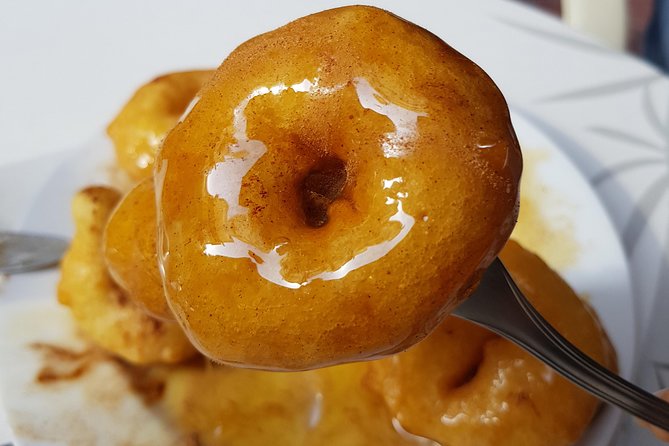
One special stop is the oldest mpougatsa bakery on the route. Mpougatsa is made with thin fyllo pastry and may be filled with cheese or cream. The pastry is worth paying attention to: it is not just a convenient bite, but one of the foods that helps explain the broad Greek love of crisp pastry, dairy, and simple fillings.
You may also try koulouri, the sesame-covered ring-shaped bread sold throughout Greece. It is a basic street food, but that is exactly why it belongs on this tour. The best food walks do not spend all their time on expensive specialties. They show you what people can grab on an ordinary day.
These early stops can add up quickly. If you eat a full breakfast first, you may have trouble enjoying the later tastings. A small breakfast, or no breakfast at all, makes more sense.
Greek coffee heated in sand
The coffee stop is one of the more memorable parts of the walk. You may see Greek coffee prepared in a bed of heated sand, an old method that allows the small coffee pot to warm gradually. One participant specifically singled out this preparation as a favorite part of the tour.
Greek coffee is thick, strong, and served in a small cup. It is not filtered, so leave the grounds at the bottom rather than drinking the final mouthful. The guide can also explain the coffee tradition and the way old methods are being used alongside newer café styles.
The stop is not only about caffeine. It gives you a compact example of how Athens mixes older customs with modern city life. The café described for the tour blends old-style preparation with newer fusion ideas, so you get more than a standard coffee break.
If you are sensitive to caffeine, keep track of how much you drink. You will still have many food stops ahead, and the tour is not designed around long rests.
Inside Varvakios Market
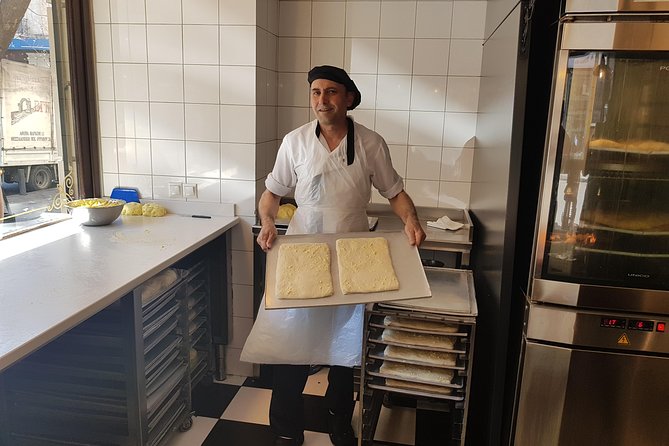
The route continues through Varvakios Market, Athens’ central food market. This is where the tour shifts from prepared bites to the raw materials behind Greek cooking. You can expect to see areas selling meat, fish, vegetables, and fruit, along with the activity of a working commercial market.
The value here is context. After tasting pies, cheese, olive oil, and prepared foods, you can see the sort of ingredients that support everyday Greek meals. The market also gives the walk a stronger local feel than a route limited to tourist-facing restaurants.
Keep in mind that a food market can be busy, crowded, and full of strong smells. It may not suit someone who wants a calm, polished sightseeing route. For me, that rough edge is part of the point, but you should choose another activity if you prefer museums and quiet historic interiors.
The market is also a good place to stay close to your guide. Small groups are easier to manage, but central Athens streets and market areas still require attention. Wear shoes that are comfortable for several hours on foot.
More food stops in Athens:
- Small Group Greek Traditional Food Tour in Athens 20+ Tastings
★ 5.0 · 1,759 reviews - Athens: Food Market Visit and Cooking Class with Wine
★ 4.9 · 1,087 reviews - Athens Authentic Greek Food Walking Tour (Small Group)
★ 5.0 · 809 reviews - Athens Greek Food Tour Small-Group Experience
★ 5.0 · 802 reviews
Cretan flavors in the center of Athens
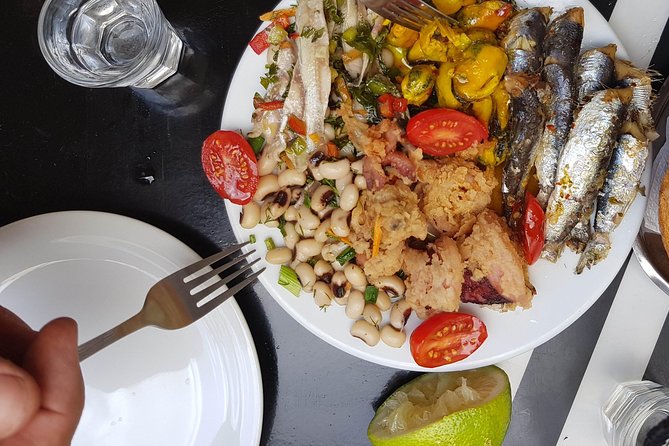
A later tasting round introduces Cretan products, including cheese, olives, rusks, olive oil, and raki. Crete has its own food traditions, and this section broadens the tour beyond the dishes most often associated with mainland Greek restaurants.
Rusks are twice-baked breads with a firm, dry texture. They are often paired with moist ingredients such as olive oil, cheese, or tomatoes. Tasting them beside Cretan cheese and olives helps you understand how Greek food often relies on a few strong ingredients rather than elaborate sauces.
Olive oil gets its own attention, as do different olives and deli products. This is useful if you plan to buy food gifts. One guide, Maria, was praised for helping identify authentic Greek foods to take home, and this sort of practical advice can be one of the most useful parts of the day.
Raki is a strong grape-based spirit associated especially with Crete. The tasting is part of a traditional mezze-style finish, so you should not think of it as a large drink stop. Still, alcohol is included in the food experience, and you should tell the guide ahead of time if you do not drink.
The final mezze and tsipouro stop
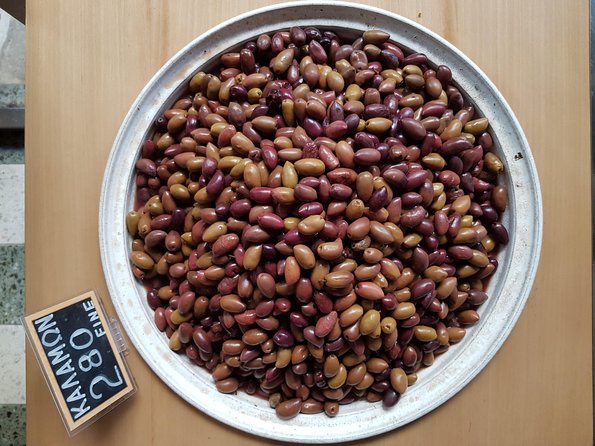
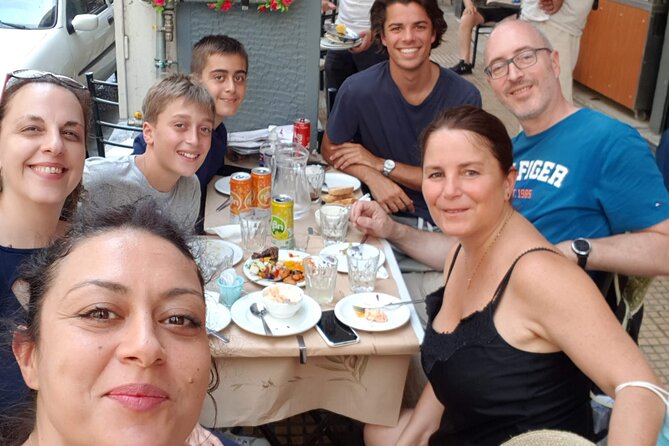
The tour ends in a fitting Greek fashion, with mezze and tsipouro. Mezze means a collection of small savory dishes meant for sharing, rather than one large plate served to each person. This final stop is described as an included meal, and several people found the amount of food more than enough.
That meal changes the way I would judge the $80 price. You are not paying only for a walk and a handful of samples. The cost includes all tastings, water, a licensed guide, market orientation, and what can amount to a substantial lunch or early meal.
The social side matters too. Sharing small dishes at the end gives the group time to slow down and talk. It is a friendly contrast to the quick bakery, coffee, and deli stops earlier in the route.
The practical warning is worth repeating: do not plan a big dinner immediately afterward. Many people finish the tour very full. If you take an afternoon departure, treat it as your main meal rather than an appetizer before dinner.
What the guides add to the food
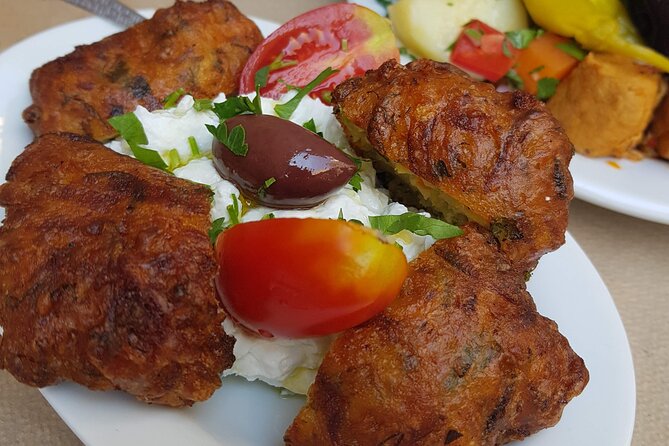
The food is the hook, but the guide determines how much you take away. The tour is led in English or German, and past guides have included Ioanna, Elias, Maria, Kostas, Eva, Katarina, Phillip, Stavros, and Manelaos.
The strongest guide comments describe warm personalities, clear English, useful local advice, and stories about history, architecture, neighborhoods, and food origins. That mix is important. Without explanation, 18 tastings can blur into one long meal. With a good guide, each stop has a reason.
Ioanna was praised for explaining local culture and finding places a visitor might miss. Elias was noted for patience and hospitality, while Maria was remembered for her knowledge of Athens and her help with food gifts. Kostas and Eva were also praised for their energy and stories.
Guide quality can naturally vary from one departure to another, but the repeated pattern is encouraging. You should expect interpretation throughout the walk, not just a person pointing out the next snack. Ask questions. The small group makes that easier, and the food itself gives you plenty to discuss.
Walking, weather, and dietary needs
Comfortable shoes are essential. The tour lasts up to three and a half hours and includes several neighborhoods, market areas, and stops where you may stand while eating. It is not an exercise tour, but it is more active than a restaurant crawl.
Athens can be sunny and hot, so bring sunscreen and a hat. Rain is also possible. One person was caught in heavy rain during a tour, so checking the forecast and carrying suitable protection is sensible. The activity information does not promise ponchos or umbrellas.
Tell the guide about allergies and digestive disorders before the tastings begin. This is especially important because the route includes dairy, pastries, cheese, oil, alcohol, and many small portions served across several stops.
The activity is wheelchair accessible, but the route includes a working market and central streets. If you need specific mobility assistance, confirm the practical details when booking rather than assuming every surface will be easy.
Is $80 a fair price?
At $80 per person, this is not the cheapest way to eat in Athens. You can buy individual pastries, coffee, and market food for much less. The comparison changes once you count the amount of food, the licensed guide, the local orientation, the variety of stops, and the included meal.
I see the best value for someone who wants a fast introduction to Greek food and central Athens. You get a wide sample rather than committing to one restaurant. You also learn what to look for during the rest of your stay.
The price is less attractive if you already know Greek cuisine well, dislike group activities, or prefer to choose every dish yourself. The group is capped at 10, which is a reasonable size, but it is still a shared tour with a fixed route and set tastings.
The high rating of 4.9 from 374 reviews supports the idea that the experience is consistently well received, especially for its food quantity, guide service, and local feel. I would still judge it by your appetite and interests. The value comes from the combination of food and explanation, not from any single expensive dish.
Who should book this Athens food tour?
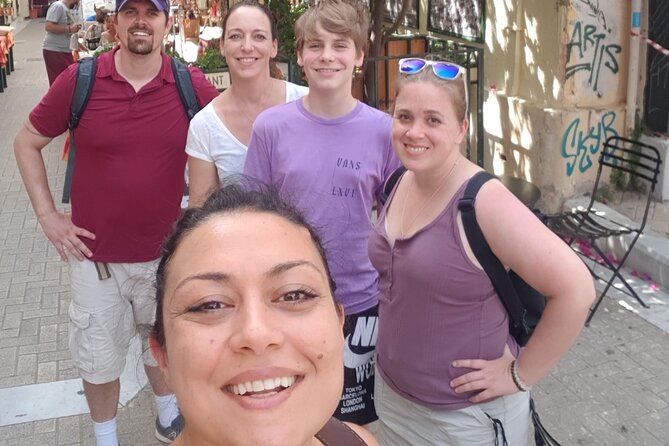
I would recommend it to first-time visitors, curious eaters, solo visitors who want easy company, and families with older children or young adults. One family reported that even three picky eaters, ages 13, 20, and 23, tried and enjoyed everything, including the Greek coffee.
It also suits anyone who wants to get beyond the most obvious tourist restaurants. The market, bakeries, traditional coffee, Cretan products, and local delis give you a broader picture of Greek eating.
You may want to skip it if you have severe food restrictions that make varied sampling difficult, if you cannot walk for several hours, or if you want a quiet cultural tour without alcohol and dairy. The tour is built around tasting many different foods, so appetite and flexibility matter.
Book it early in your stay if you can. You will leave with a list of foods to order, shops to revisit, and neighborhoods that make more sense. That practical payoff is one of the tour’s best features.
FAQ
Where does the Athens food tour meet?
Meet at Monastiraki Square, in front of the little church. You can reach the square using Athens’ green or blue metro line.
How long does the tour last?
The tour lasts about 3 to 3.5 hours. Starting times vary, so check availability for the date you want.
How much food is included?
More than 18 delicacies are included, along with all the food you taste during the tour. The route includes an assortment of samples and a final mezze-style meal.
What foods might I taste?
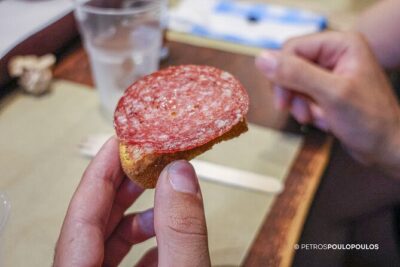
The tastings can include Greek yogurt, traditional pies, mpougatsa with cheese or cream, Greek coffee, Cretan cheese, olives, olive oil, rusks, Greek wine, koulouri, goat milk ice cream, mezze, and tsipouro.
Is Greek coffee included?
Yes. The tour includes a Greek coffee tasting, and you may see it prepared in a sand-heated bed.
Is the tour offered in English?
Yes. Live guiding is available in English and German.
How large is the group?
The tour is a small-group activity limited to 10 participants.
What should I bring?
Wear comfortable shoes and bring sunscreen and a hat. Tell the guide about allergies or digestive disorders before the tasting begins. A bottle of water is included.
Should you book it?
Book this tour if you want Athens explained through its everyday food, with enough tasting to replace a meal and a guide to connect the dishes to local life. The combination of Varvakios Market, old bakeries, sand-heated coffee, Cretan products, and shared mezze gives you far more range than a standard restaurant visit.
I would choose it early in an Athens trip, arrive hungry, and keep the rest of the day flexible. At $80, it is a fair buy for a small group, a licensed guide, and a very full introduction to Greek cuisine.
Freshly added Athens trips
- Athens and Ancient Corinth Private from Athens★ 5.0 · 3 reviews
- From Athens: Mycenae and Epidaurus Private Tour★ 4.8 · 3 reviews
- Full day Meteora private tour★ 5.0 · 3 reviews
- Double Shore Dive (certified divers)★ 4.5 · 3 reviews
- Sunset & swimming at Cape Sounio, Poseidon temple★ 5.0 · 3 reviews
- Philosophy Experience at Plato’s Academy Park – basic version★ 5.0 · 3 reviews
- Athens Hills: Mythology Treasure Hunt★ 5.0 · 3 reviews
- Private Acropolis Tour – Ticket Included★ 5.0 · 3 reviews
Greek Food Tours, compared.


Meteora Tour with Local Guide and Greek Lunch
Read our review →
Meteora Monasteries & Caves DayTrip from Athens with Greek Lunch
Read our review →
Athens Authentic Greek Food Walking Tour (Small Group)
Read our review →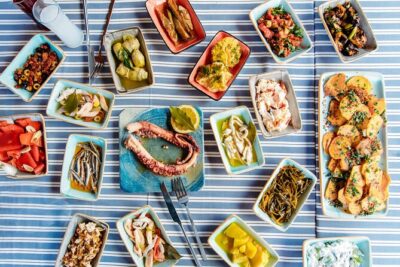
Browse the lists this tour appears in