
Reviewed · FOOD & DRINK
Athens: Tasting workshop and Food Market tour
Athens reveals its food culture best in small shops, spice counters, and market stalls, not only at a restaurant table. This two-hour tasting walk takes you from old specialty stores to the Central Food Market, with Greek cheese, cured meats, honey, olive oil, wine, tsipouro, and liqueurs along the way.
I like the way the tour connects food with place, especially the visit to one of Greece’s oldest distilleries and the finish among locals shopping for fish and meat. I also like the practical range of tastings, from humble Cretan barley rusks to premium honey and Mastiha. The main drawback is the short running time: you’ll sample a lot, but you won’t have time for a slow market wander or a full meal.
In This Review
- Key points at a glance
- From Athinas Street to the food stalls
- Greek cheese, cured meats, and Cretan rusks
- Olive culture in a tasting glass
- Honey from different parts of Greece
- Wine and tsipouro with Greek food
- A stop at an old Greek distillery
- Inside Athens’ Central Food Market
- What $49 buys you in Athens
- Group size and the feel of the walk
- Who should book this food walk
- Should you book Athens’ tasting workshop?
- FAQ
- Where does the Athens tasting workshop meet?
- How long does the activity last?
- What language is the tour conducted in?
- What food and drink tastings are included?
- Does the tour visit Athens’ Central Food Market?
- Are transfers included?
- Can I cancel for a full refund?
- Does the tour operate in bad weather?
Key points at a glance
- Five tasting experiences in two hours: Sample Greek cheese, charcuterie, barley rusks, olives, olive oil, honey, wine, tsipouro, and liqueurs.
- A finish at Athens’ Central Food Market: See the fish and meat sections and watch everyday food shopping take place around you.
- Old food shops and spice stores: Visit businesses with decades of tradition rather than staying in a single modern tasting room.
- One of Greece’s oldest distilleries: Taste Greek liqueurs, including the distinctive Mastiha.
- A useful introduction to Greek cooking: Your English-speaking guide explains how key ingredients fit together.
- Good value for food fans: At $49, the price covers tastings and guiding, but not transportation or anything beyond the listed inclusions.
From Athinas Street to the food stalls
You meet in front of the Ethniki Trapeza bank at the corner of Athinas 38 and Evripidou Street. This is a practical central location for a food walk, but look carefully for the bank and street corner rather than expecting a large tour desk or a separate visitor center.
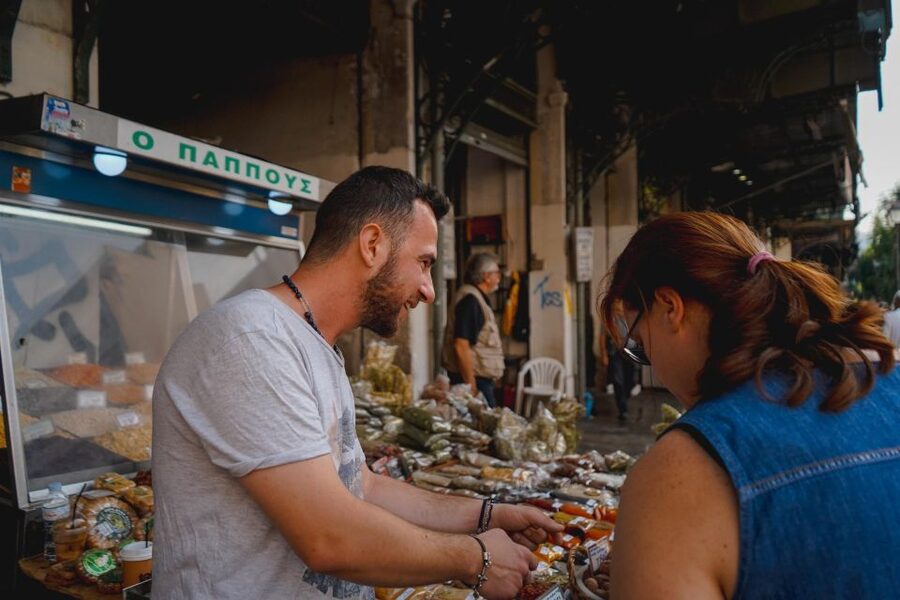
The route begins among Athens’ food shops and spice stores. These places matter because they show how Greek cooking is built from everyday ingredients. You are not simply handed finished bites. You get a look at the products that shape home kitchens and restaurant menus across Greece.
The guide speaks English and leads the tastings while explaining the role of each ingredient. The information is meant to help you understand Greek food, not just identify what is on the plate. You may leave with a better sense of why olive oil, honey, cheese, herbs, spirits, and preserved meats appear so often in Greek meals.
The pace should suit you if you enjoy moving between several small stops. It will feel less satisfying if you prefer to sit in one place and eat a large meal. Think of it as an introduction to Athens’ food culture, with enough samples to help you decide what to seek out later.
More food stops in Athens:
- Greek Food Walking Tour in Athens
★ 5.0 · 4,740 reviews - Athens: Street Food Tasting Tour
★ 4.9 · 2,557 reviews - Small Group Greek Traditional Food Tour in Athens 20+ Tastings
★ 5.0 · 1,759 reviews
Greek cheese, cured meats, and Cretan rusks
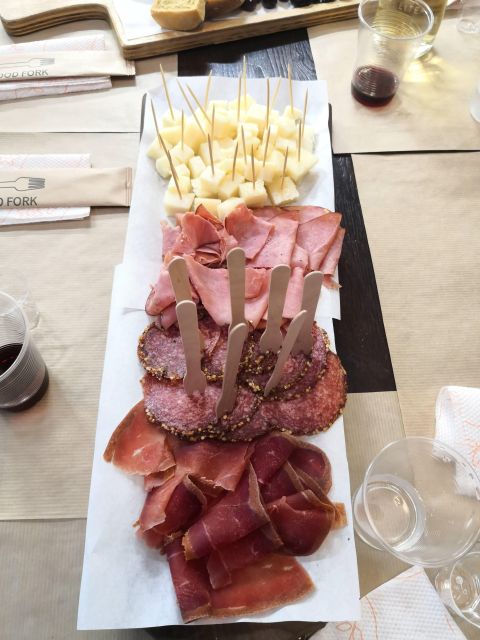
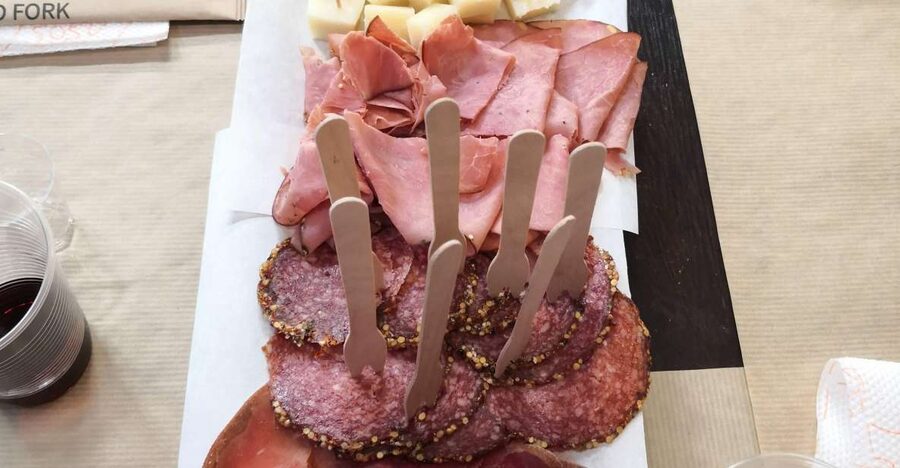
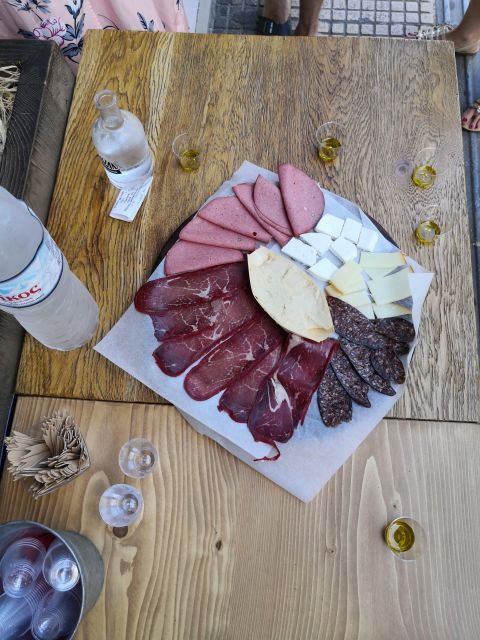
One of the first food-focused sections brings together Greek cheeses, artisanal cold cuts, and ntakos, the famous Cretan barley rusk. The rusk is a useful choice for a tasting because it gives you a taste of the sturdy, practical side of Greek food. It is not a soft piece of bread. It is a dry barley base traditionally used with toppings and other ingredients.
The cheese and charcuterie tasting gives you a chance to compare products rather than judging Greek cuisine from one familiar feta salad. The exact varieties are not specified, so you should expect a selection chosen by the guide rather than a fixed cheese list. That flexibility can be helpful, since shops may feature different products on different days.
I like this part for its direct connection to Greek food shops. You see where local products are sold and get tips on what to look for when you shop on your own. If you plan to buy edible gifts, pay attention to the labels and ask the guide which items travel well.
The cured meats add salt and savory flavor, while the rusks bring a dry, grainy texture. Since several tastings arrive close together, pace yourself. The tour is only two hours, and the food is meant to introduce a range of flavors rather than fill you up completely.
Olive culture in a tasting glass
Greek olive oil is treated here as a food worth tasting on its own. That is important because many people use olive oil every day without stopping to notice its aroma, bitterness, peppery finish, or regional character.
You’ll sample premium extra virgin olive oil along with olives. The combination lets you compare the fruit itself with the oil made from it. Your guide also shares tips about Greek cuisine, so this is the point to ask how olive oil is used in common dishes and what makes one bottle different from another.
The information provided does not promise a formal technical tasting with score sheets or a detailed regional comparison. You should expect an approachable introduction rather than a specialist certification class. That keeps the experience friendly, but serious olive oil collectors may want more depth.
For most people, the value is practical. Once you understand what you are tasting, you can make better choices in an Athens food shop or market. You may also find that olive oil becomes easier to notice in simple dishes, where its flavor is not buried under heavy seasoning.
Honey from different parts of Greece
The honey tasting adds sweetness after the savory cheese, meat, olive, and oil samples. You’ll try several Greek honeys and honey-based products, with the guide pointing out differences in flavor and local character.
Greek honey is closely tied to the plants and areas where bees gather nectar, but the tour information does not give a set list of regions or varieties. That means you should treat this as a chance to compare products and learn how honey is used, not as a guaranteed lesson in every Greek honey type.
The honey-based products are a nice touch because they show that honey is more than a topping for yogurt. You might find products designed for spreading, gifting, or pairing with other foods. If you have a sweet tooth, this may be one of the most enjoyable portions of the walk.
It also gives you a chance to balance the stronger flavors from tsipouro, cured meats, and liqueurs. I would ask your guide which honey is best for breakfast, which works with cheese, and which product makes the most practical souvenir. Those are the kinds of tips that can save you from buying a pretty jar you never use.
Same city, a completely different century:
- Athens: Acropolis & up to 5 Archaeological Sites Combo Pass
★ 4.4 · 12,619 reviews - Athens: Acropolis Ticket with Optional Audio or Live Guide
★ 4.2 · 11,055 reviews - Athens: Acropolis, Parthenon & Acropolis Museum Guided Tour
★ 4.8 · 9,316 reviews - Athens: Cape Sounion & Poseidon Temple Sunset Half-Day Trip
★ 4.8 · 8,241 reviews
Wine and tsipouro with Greek food
The drinks are not an afterthought. You’ll taste local white and red wines, then try tsipouro, a strong traditional Greek spirit. Pairing drinks with cheese, meats, rusks, and other samples helps you see how Greek food is meant to be enjoyed as a combination rather than as isolated ingredients.
The wine selection is described as handpicked, but no labels or regions are promised. Expect an introduction to Greek wine rather than a full winery presentation. The white and red options give you a basic contrast, while the food provides a clear reason to pay attention to how each drink changes the taste.
Tsipouro is the boldest stop for many people. It is a traditional spirit with a stronger character than the wines, so take small sips and do not treat it like a casual soft drink. If you do not drink alcohol, the supplied information does not state that alternatives are available, so ask before booking if this is important to you.
Because alcohol appears in several parts of the experience, this tour is a better fit for adults interested in tasting than for anyone avoiding alcohol entirely. The short duration helps keep the drink stops manageable, but you should still eat normally before or after the walk rather than treating the samples as lunch.
A stop at an old Greek distillery
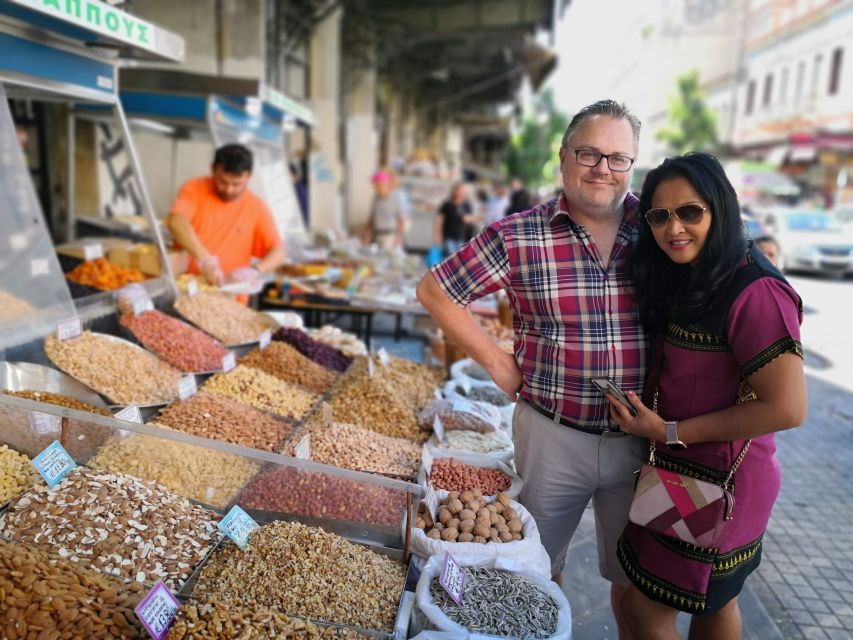
The visit to one of Greece’s oldest and most storied distilleries is one of the more unusual parts of the route. You’ll taste Greek liqueurs, including Mastiha, the iconic liqueur made with the distinctive flavor associated with the mastic tradition.
Mastiha is not simply another sweet drink. Its herbal, resin-like character makes it different from the wines and tsipouro served earlier. If you have never tried it, this stop gives you a memorable introduction to a drink that is strongly linked with Greece.
The phrase oldest distillery suggests a place with long-running traditions, but the experience details do not promise a production tour or a look behind the machinery. Plan on a tasting stop with context, not a full distilling class. That distinction matters if you are booking mainly to see how spirits are made.
Still, I like the stop because it moves the experience beyond the usual cheese and olive oil circuit. It shows another side of Greek food culture, where after-dinner drinks and regional liqueurs have their own place.
Inside Athens’ Central Food Market
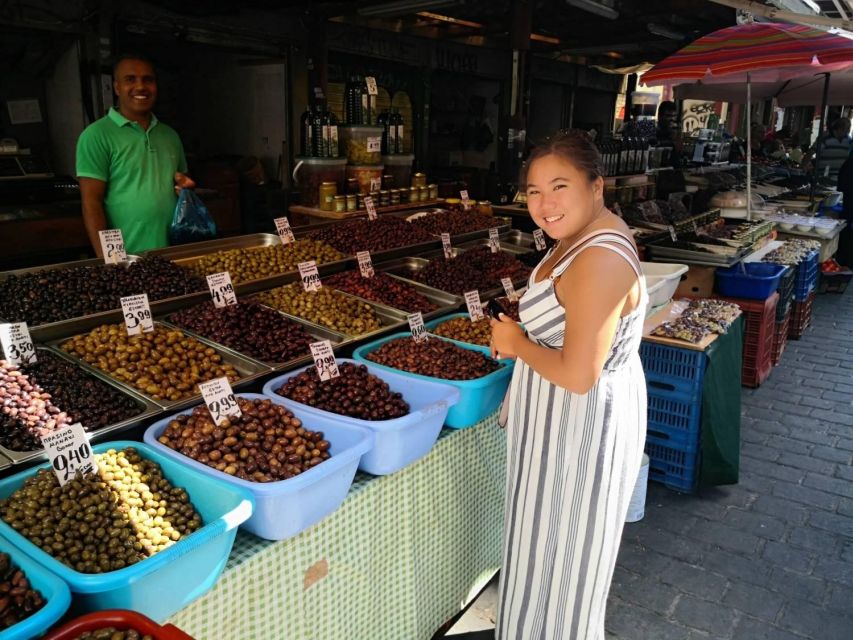
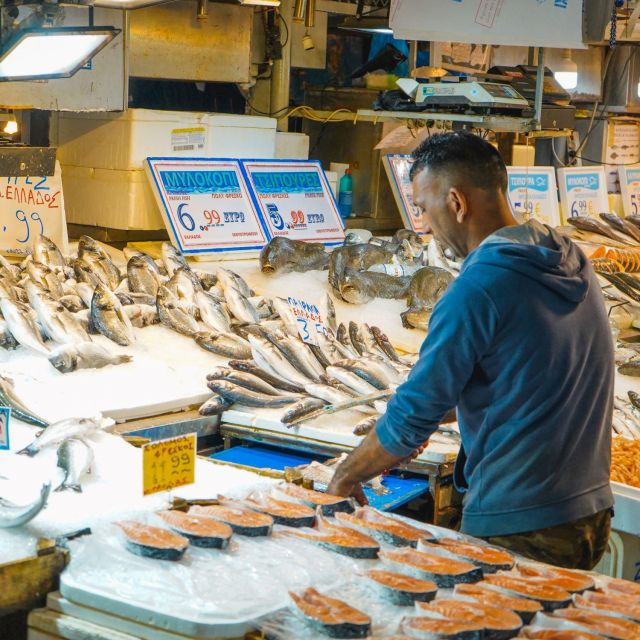
The walk concludes at the Central Food Market of Athens, where you’ll see fresh ingredients and regional products being bought for daily cooking. The fish and meat sections are part of the experience, giving you a more direct look at the working side of the city’s food trade.
This is not a polished food hall designed only for sightseeing. The point is to see a market used by local shoppers. That can mean strong smells, busy counters, and sights that are less tidy than a restaurant. If you enjoy food in its natural setting, this is a real advantage. If you are sensitive to raw meat or fish displays, be prepared.
Ending at the market also gives the route a sensible finish. You first learn about individual ingredients in specialty shops, then see fresh food being sold on a larger scale. The guide can help you connect the tastings with the produce and products around you.
The tour does not include a market meal or free time for shopping. You should not expect to sit down for a full plate at the end. If you want to buy ingredients or gifts, you may need to return later with more time. The market visit is best seen as a guided introduction, not a long independent shopping session.
What $49 buys you in Athens
At $49 per person, the tour offers reasonable value if you want several tastings and an English-speaking guide in one short outing. You are paying for access to multiple food stops, guidance through central Athens, and a broad sample of Greek products. Buying all those tastings separately could take planning, and you would miss the explanations tying them together.
The value is less clear if you mainly want a full meal. Five tasting experiences can sound substantial, but the portions are designed for sampling. Cheese, charcuterie, rusks, olives, oil, honey, wine, tsipouro, and liqueurs add up, yet you should still budget for lunch or dinner.
There is no transfer service included. You need to reach the meeting point yourself, and anything not specifically listed costs extra. That is normal for a central walking activity, but it matters if you are staying far from the center or have limited time between other bookings.
A useful feature is the reserve now and pay later option. You can hold a place without paying on the day of booking, and free cancellation is available up to 24 hours in advance for a full refund. The activity runs in rain or shine, so bring a weather-appropriate layer and shoes that can handle two hours on city streets.
Group size and the feel of the walk
The usual group size is not stated. One booking became a private session because it was the only booking at that time, so a small group or private experience is possible, but you should not assume it is guaranteed.
A private departure can make a food walk feel more relaxed. You can ask more questions, set a comfortable pace, and spend more time discussing products that interest you. In a larger group, the experience may feel more structured, especially at small shop counters.
The guide’s personal manner appears to be an important part of the experience. The available feedback describes the guide as very nice and especially praises the cultural explanations, the variety of streets visited, and the Greek drinks, cheese, and sausages. Since no guide name is provided, you cannot request a specific person from the information available.
The guide’s role is more than carrying you from one snack to another. You get the most from the walk if you ask questions about ingredients, food customs, and what to order later in Athens. This is a good setting for practical questions that a restaurant menu may not answer.
Who should book this food walk
I would choose this activity if you want a compact introduction to Greek flavors during your first days in Athens. It suits people who enjoy trying small portions, walking through ordinary city streets, and learning how food connects to local life.
It is also a good choice if you want help with food shopping. The visits to delis, spice stores, and the Central Food Market can give you ideas for edible souvenirs and ingredients to look for later.
You may want another type of activity if you need a full meal, dislike alcohol, or want a long guided history walk. The cultural information is part of the experience, but food remains the focus. The route gives you Athens through its shops and market rather than through major monuments.
Families should consider the drink tastings carefully. The activity includes wine, tsipouro, and liqueurs, and the provided details do not explain child pricing or nonalcoholic substitutions. Ask before reserving if you are booking for anyone who will not take part in the alcohol samples.
Should you book Athens’ tasting workshop?
Book it if you want many Greek flavors in a short, well-organized route, especially cheese, cured meats, honey, olive oil, wine, tsipouro, and Mastiha. The combination of old specialty shops and the Central Food Market gives you more local texture than a single seated tasting.
Skip it if your priority is a large meal, a formal distillery tour, or a long market-shopping session. At $49, the price makes sense for the range of samples and guiding, but you should think of the activity as a flavorful orientation to Athens, not dinner.
For food-minded visitors with two free hours, I’d book it early in an Athens stay. You can use the guide’s advice for the rest of your meals, then return to the market or shops with a better idea of what you want to buy.
FAQ
Where does the Athens tasting workshop meet?
Meet in front of the Ethniki Trapeza bank at Athinas 38 and Evripidou Street in central Athens.
How long does the activity last?
The tasting workshop and food market tour lasts two hours.
What language is the tour conducted in?
The live guide speaks English.
What food and drink tastings are included?
The experience includes Greek cheese, cured meats, rustic barley rusks, olives, extra virgin olive oil, Greek honey and honey-based products, local white and red wines, tsipouro, and Greek liqueurs including Mastiha.
Does the tour visit Athens’ Central Food Market?
Yes. The route concludes at the Central Food Market, including its fish and meat market areas.
Are transfers included?
No. Transportation to and from the meeting point is not included.
Can I cancel for a full refund?
Yes. You can cancel up to 24 hours in advance for a full refund.
Does the tour operate in bad weather?
Yes. The activity takes place rain or shine.
More Shopping Tours in Athens
- Acropolis Private Wine Tasting @ Finewine store
★ 5.0 · 46 reviews - Classic Athens Food Tour with Local Drink & Market Visit
★ 5.0 · 34 reviews - Athens: Cooking Class, Market Visit & Lunch at Local Tavern
★ 4.9 · 27 reviews - Market-to-Table Adventure: Private-Yemista or Mousaka
★ 5.0 · 11 reviews
More Markets in Athens
- Athens: Classic Cooking Class with Market Visit and Wine
★ 5.0 · 1,101 reviews - Athens: Food Market Visit and Cooking Class with Wine
★ 4.9 · 1,087 reviews - Athens, Greek food tour including market visit
★ 5.0 · 618 reviews - Cooking Class in Athens with Shopping in Central Market & Lunch
★ 5.0 · 55 reviews
Freshly added Athens trips
- Athens and Ancient Corinth Private from Athens★ 5.0 · 3 reviews
- From Athens: Mycenae and Epidaurus Private Tour★ 4.8 · 3 reviews
- Full day Meteora private tour★ 5.0 · 3 reviews
- Double Shore Dive (certified divers)★ 4.5 · 3 reviews
- Athens Hills: Mythology Treasure Hunt★ 5.0 · 3 reviews
- Sunset & swimming at Cape Sounio, Poseidon temple★ 5.0 · 3 reviews
- Philosophy Experience at Plato’s Academy Park – basic version★ 5.0 · 3 reviews
- Private Acropolis Tour – Ticket Included★ 5.0 · 3 reviews
Food & Drink, compared.


Small Group Greek Traditional Food Tour in Athens 20+ Tastings
Read our review →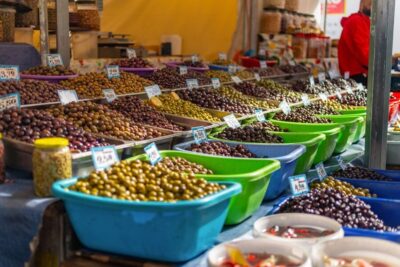
Food Market Visit and Cooking Class with Wine
Read our review →
Athens Authentic Greek Food Walking Tour (Small Group)
Read our review →


Browse the lists this tour appears in