
Reviewed · FOOD & DRINK
Athens: Premium Greek Honey Tasting
Greek honey is not one single taste. Greece’s pine forests, fir country, chestnut trees, thyme hills, heather, and wildflowers give each jar its own character. This 20-minute tasting lets you compare five premium honeys from around the country, including unusual oak and chestnut styles alongside familiar thyme and pine.
I like the small group limit of 10, which gives the host room to explain the differences without turning the tasting into a rushed sales pitch. I also like the simple food pairings, especially cream cheese and crispy sesame bread, because they show you how to use the honey at the table, not just sample it from a spoon.
The main drawback is the short running time. At $13.55 per person, it is a fair little food stop, but it is not a full meal or a long beekeeping workshop. You will need to make your own way there, and drinks and hotel transfers are not included.
In This Review
- Key points to know before booking
- Why Greek honey tastes different from jar to jar
- The five-honey tasting, from familiar to unusual
- From the spoon to cream cheese and sesame bread
- Learning how bees and honey production fit together
- Brettos Wine & Deli Cellar as a food stop
- Why the 20-minute length can work in Athens
- How to get the most from the tasting
- Who will enjoy this Athens honey tasting
- Booking details that affect your decision
- Should you book the Greek honey tasting?
- FAQ
- How long does the premium Greek honey tasting last?
- How many honeys will I taste?
- Which Greek honey flavors may be included?
- What food is served with the honey?
- Is the tasting conducted in English?
- Can I cancel the booking?
Key points to know before booking
- Five regional honeys: Compare Greek honeys made from different trees, herbs, and wildflowers.
- Unusual flavors included: Oak and chestnut may appear alongside more familiar thyme, pine, and heather honey.
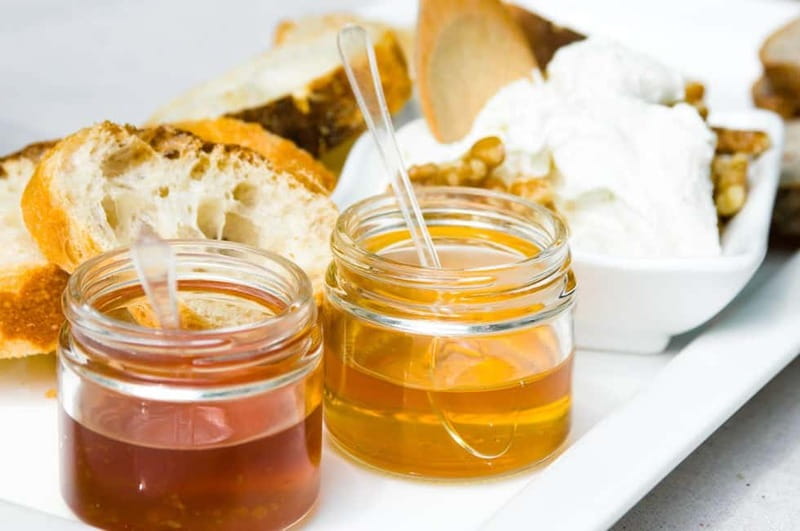
- Useful food pairings: Taste the honey plain, with cream cheese, and on crispy sesame bread.
- Short Athens activity: The tasting lasts 20 minutes, making it easy to fit into a busy day.
- English-speaking host: Instruction is provided in English for a small group of up to 10 people.
- Flexible booking: You can cancel up to 24 hours before the activity for a full refund and reserve without paying immediately.
Why Greek honey tastes different from jar to jar
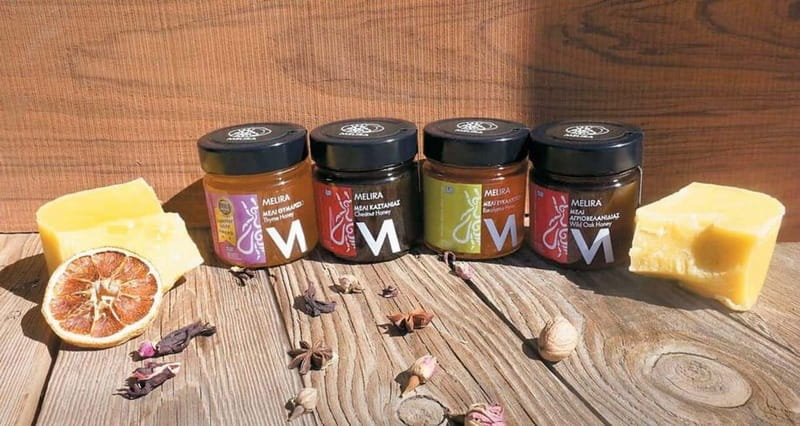
The most interesting part of this tasting is the comparison. Greek honey changes with the plants the bees visit, so a honey made near pine trees can taste quite different from one made around thyme, chestnut, or oak.
Some Greek honeys come from flowers and herbs. Thyme honey is tied to the dry, aromatic hillsides that many people associate with Greece. Heather and wildflower honeys add another side of the story. Other varieties are made from tree sources, including pine, fir, chestnut, and oak.
You do not need to know anything about bees to enjoy this. The host explains the main types as you taste, giving you a way to notice color, sweetness, aroma, and texture. That small lesson matters because honey can look similar in a jar while tasting very different on your tongue.
Greek honey had a strong reputation as far back as the ancient world and remained known as a leading honey until the Middle Ages. The reason is easy to understand after hearing about the country’s plant life. A single country offers bees many distinct sources, from forest trees to flowering herbs.
I would treat the historical talk as a short introduction rather than a full history lesson. The activity is built around tasting five honeys, so the background information supports the food rather than taking over the visit.
More food stops in Athens:
- Greek Food Walking Tour in Athens
★ 5.0 · 4,740 reviews - Athens: Street Food Tasting Tour
★ 4.9 · 2,557 reviews - Small Group Greek Traditional Food Tour in Athens 20+ Tastings
★ 5.0 · 1,759 reviews
The five-honey tasting, from familiar to unusual
You will taste five Hellenic honeys from different parts of Greece. The exact order and varieties can depend on what is being served, but the selection may include pine, thyme, heather, oak, and chestnut honey.
A tasting works best when you pause between samples. Start with a small amount, let it sit on your tongue, and notice how long the flavor lasts. You can then compare the next honey instead of treating all five as one sweet bite.
Pine honey is one of the more familiar Greek styles. It gives you a useful starting point before moving to less expected flavors. Pine honey is also connected with one of the country’s important forest sources, so it helps show that Greek honey is not only about flowers.
Thyme honey offers a more herbal direction. It is a natural choice for anyone who wants a taste linked to Greek cooking and the country’s dry, scrubby hills. I would pay attention to the aroma here, since herb-based honey can feel more savory and fragrant than ordinary supermarket honey.
Heather honey gives you another floral and plant-based comparison. It may appeal if you prefer a honey with a stronger character instead of plain sweetness.
Chestnut honey is one of the more distinctive samples. It can make a tasting feel less predictable, especially if you usually buy light, mild honey. The chestnut sample is a good reminder that honey can be used as a serious ingredient, not only as a topping for breakfast.
Oak honey is the sort of sample that makes this experience more than a standard shop tasting. It is less familiar to many visitors, and the chance to try it alongside thyme, pine, or chestnut gives you a clear sense of the range available in Greece.
The point is not to pick a single winner. You are learning which styles suit your taste. Some people prefer herbal notes, while others want forest flavors or a softer floral finish.
From the spoon to cream cheese and sesame bread
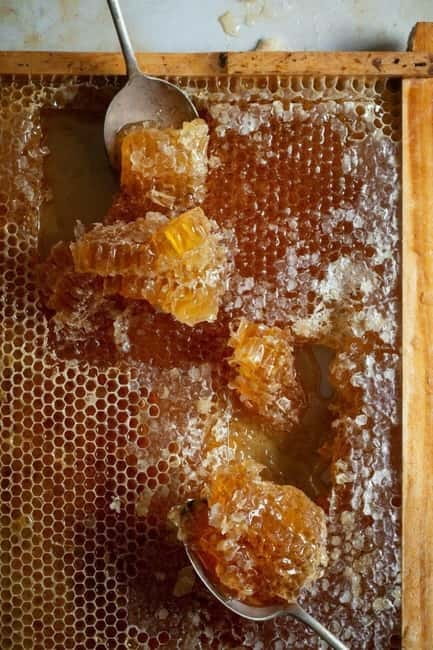
Honey tastes different when paired with food. The tasting includes cream cheese and crispy sesame bread, giving you two simple ways to test the samples beyond eating them plain.
Cream cheese softens the sharper edges of a stronger honey. It also turns the sample into a small savory-sweet bite, similar to something you could serve at home as part of a snack or breakfast.
The sesame bread adds crunch and a nutty note. That texture makes the honey feel more substantial, even though the portion is still a tasting rather than a meal. If you are interested in Greek food, this part gives you a practical idea for using a jar after you return home.
I like this approach because it keeps the tasting grounded. You are not just hearing that one honey pairs well with cheese or bread. You can try the combination yourself and decide what works.
Keep your expectations sensible. The food is included to support the honey tasting. It does not replace lunch, dinner, or a full Greek food tour. If you arrive hungry, plan another meal separately.
Learning how bees and honey production fit together
The activity also covers bees and honey production methods. The details provided are brief, so you should expect a compact explanation rather than a visit to an apiary or a hands-on beekeeping session.
Still, this part gives useful context. The final flavor depends on what plants are available to the bees and how the honey is collected and prepared. Learning the basic production story helps you understand why honey from one Greek region cannot simply be treated as the same product as honey from another.
The organic honey theme is also part of the experience. If organic certification is important to you, ask the host for clarification about the individual samples, since the available information does not specify that all five honeys carry organic certification.
The group size makes a difference here. With no more than 10 people and an English-speaking instructor, you should have a better chance to ask about the types being poured and the way they are made. A larger group could make a five-sample tasting feel mechanical. This one is designed on a smaller scale.
Same city, a completely different century:
- Athens: Acropolis & up to 5 Archaeological Sites Combo Pass
★ 4.4 · 12,619 reviews - Athens: Acropolis Ticket with Optional Audio or Live Guide
★ 4.2 · 11,055 reviews - Athens: Acropolis, Parthenon & Acropolis Museum Guided Tour
★ 4.8 · 9,316 reviews - Athens: Cape Sounion & Poseidon Temple Sunset Half-Day Trip
★ 4.8 · 8,241 reviews
Brettos Wine & Deli Cellar as a food stop
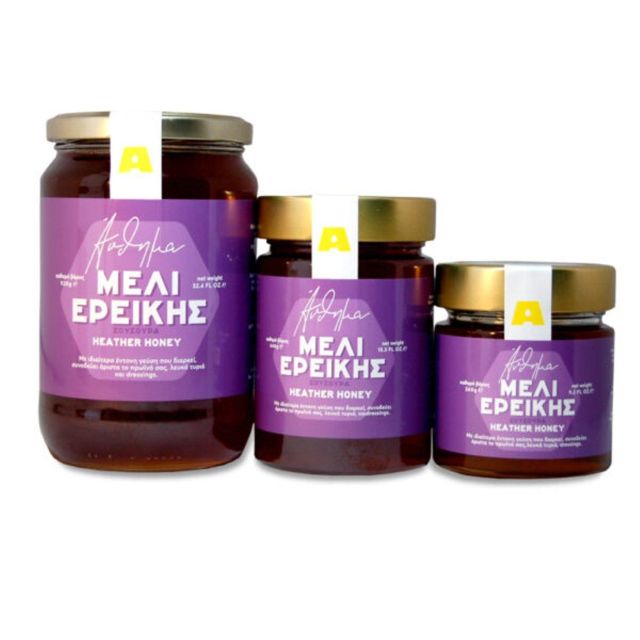
The experience is provided by Brettos Wine & Deli Cellar, which gives the tasting a shop setting rather than a farm visit. That has a practical benefit: you can sample products and, if you find a favorite, shop for honey to take home or give as a gift.
The shop owner has been described as explaining the culinary and medicinal uses of the different varieties. Treat the medicinal discussion as general food knowledge, not as medical advice. Honey may be part of traditional home remedies, but this short activity is not a health consultation.
The shopping option is one of the more useful parts for visitors who want an edible souvenir. A jar of Greek honey is easier to pack into a trip than many fragile food products, though you should still check your airline and customs rules before flying home.
You may also find this setting more personal than a large commercial tasting room. The tradeoff is that the experience is less formal. You are visiting a deli and wine cellar for a short tasting, not entering a purpose-built museum about bees.
Why the 20-minute length can work in Athens

Twenty minutes is short, but that can be an advantage in Athens. You can place the tasting between major sights, use it as a break during shopping, or schedule it on a rainy evening.
I would not book it as the main event of an afternoon. There is not enough time for that. Instead, think of it as a focused food stop with five samples and a compact lesson.
The short duration also keeps the price reasonable. At $13.55 per person, you are paying for five premium honey samples, instruction, and the chance to compare products that may be difficult to find side by side. That is good value if you enjoy food tastings or want a small edible souvenir.
The value is weaker if you expect a full meal, a long cultural tour, hotel pickup, or a visit to the countryside. Those are not part of the package. You will need to arrange your own transport, and no meal or drinks are included.
Starting times vary, so check availability before planning your day. Since the tasting itself is only 20 minutes, the start time matters more than it would on a long tour. A poorly timed booking could leave you waiting around, while a good slot can fit neatly into your Athens plans.
How to get the most from the tasting

I would arrive ready to compare rather than simply eat. Try each honey on its own first, then taste it with the cream cheese and sesame bread. That gives you three impressions of the same sample.
Take mental notes about four things:
- The aroma before tasting
- The level and type of sweetness
- Herbal, floral, forest, or nutty notes
- How long the flavor remains after swallowing
Ask about the region and source plant for each honey. The activity is designed to teach you these differences, and questions will make the 20 minutes more useful.
If you plan to buy a jar, decide first what you want it for. A mild honey may work best for everyday use, while a stronger oak, chestnut, or thyme style may be better for cheese, bread, or a special breakfast.
I would also leave space in your luggage if you enjoy the samples. One particularly practical feature is the chance to shop after tasting. You do not have to guess which jar to buy from a shelf. You can choose based on what you actually liked.
Who will enjoy this Athens honey tasting
This experience suits food-focused visitors, couples, solo visitors, and small groups who want a quick taste of Greek food culture without committing to a long tour. It is also a good choice for anyone curious about regional products and the link between plants, bees, and flavor.
It works well for a rainy evening because it takes place indoors and does not depend on good weather. Families may also like the simple format, though the supplied information does not state a minimum age or provide special children’s arrangements.
You will probably enjoy it most if you like trying unusual foods. Oak and chestnut honey are more distinctive than the standard honey found in many breakfast buffets. If you only want a familiar sweetener, five samples may feel repetitive.
This is also a useful add-on for a trip centered on Athens. It offers a taste of rural Greece without requiring a long trip outside the city. You get the flavors of forests, herbs, and wildflowers in a compact shop visit.
Booking details that affect your decision
The price is $13.55 per person. Five premium tastings at that cost make sense if you value comparison and explanation. The shopping opportunity adds value, but remember that anything you buy afterward costs extra.
The group is limited to 10 participants, and the instruction is in English. No hotel transfer is included, so you must reach the venue yourself. Meals and drinks are also excluded.
You can cancel up to 24 hours in advance for a full refund. The reserve now and pay later option helps if your Athens schedule is still changing. Those terms are especially useful for a short activity that you may want to fit around museum visits, meals, or weather.
The overall rating is 4.4 out of 5 from nine ratings. That suggests a well-liked small experience, but the sample is not large enough for me to treat the score as the main reason to book. The strongest reason is the unusual tasting selection and the chance to learn how Greek plants shape honey.
Should you book the Greek honey tasting?
Book it if you want a short, affordable food experience with five different Greek honeys, simple pairings, and an English-speaking host. It is particularly useful on a rainy evening or in a packed Athens schedule, and the oak and chestnut samples can make it more memorable than an ordinary honey shop visit.
Skip it if you are looking for a full meal, a countryside beekeeping tour, or transport from your hotel. At 20 minutes, this is a tasting and introduction, not a major Athens excursion.
For most food lovers, I would see it as an easy add-on. You get a clear taste of Greece’s regional variety, a few ideas for pairing honey at home, and the chance to buy a souvenir you have already tested.
FAQ
How long does the premium Greek honey tasting last?
The tasting lasts 20 minutes. Starting times vary, so check availability when booking.
How many honeys will I taste?
You will taste five premium Greek honeys from different regions of Greece.
Which Greek honey flavors may be included?
The experience discusses honey from pine, fir, chestnut, oak, thyme, heather, and wildflowers. The samples may include familiar styles such as thyme and pine, as well as less common oak and chestnut honey.
What food is served with the honey?
The honey may be tasted plain, with cream cheese, and with crispy sesame bread. A full meal and drinks are not included.
Is the tasting conducted in English?
Yes. The instructor provides the experience in English.
Can I cancel the booking?
Yes. You can cancel up to 24 hours in advance for a full refund. You can also reserve now and pay later.
Freshly added Athens trips
- Athens and Ancient Corinth Private from Athens★ 5.0 · 3 reviews
- From Athens: Mycenae and Epidaurus Private Tour★ 4.8 · 3 reviews
- Full day Meteora private tour★ 5.0 · 3 reviews
- Double Shore Dive (certified divers)★ 4.5 · 3 reviews
- Athens Hills: Mythology Treasure Hunt★ 5.0 · 3 reviews
- Sunset & swimming at Cape Sounio, Poseidon temple★ 5.0 · 3 reviews
- Philosophy Experience at Plato’s Academy Park – basic version★ 5.0 · 3 reviews
- Private Acropolis Tour – Ticket Included★ 5.0 · 3 reviews
Food & Drink, compared.



Small Group Greek Traditional Food Tour in Athens 20+ Tastings
Read our review →
Food Market Visit and Cooking Class with Wine
Read our review →
Athens Authentic Greek Food Walking Tour (Small Group)
Read our review →


Browse the lists this tour appears in