
Reviewed · SARONIC ISLANDS CRUISES
Athens: Guided Day Trip to Aegina Island with Swimming
Aegina packs ancient temples, Byzantine churches, a famous monastery, swimming, seafood, and pistachios into one long day from Athens. The island is only about 70 minutes from Piraeus by ferry, yet the change of pace is immediate: less city noise, more sea air, and a full day of island sights.
I like the smart mix of history and free time, especially the visit to the Temple of Athena Aphaia and the two-hour beach stop. I also like having island transport arranged, since Aegina’s sights are spread out. The main drawback is the pace: the mountain churches require walking and climbing, and the ferry, beach, and site fees make the real cost higher than the advertised $57.
In This Review
- Key points to know before you book
- Why Aegina makes a strong day trip from Athens
- Meeting at Piraeus and crossing to Aegina
- Paleochora: a mountain walk through Byzantine Aegina
- Saint Nektarios Monastery and the island’s religious side
- The Temple of Athena Aphaia and the extra €10
- Two hours at the beach
- Aegina Town, neoclassical buildings, and pistachios
- Guides, transport, and how the day feels
- Who should book this Aegina day trip
- Should you book it?
- FAQ
- How long is the Aegina day trip from Athens?
- Where is the meeting point?
- Are ferry tickets included in the $57 price?
- Is the Temple of Athena Aphaia entrance included?
- Who can enter the archaeological site for free?
- Are reduced senior tickets available?
- Is swimming part of the itinerary?
- What should I bring for the beach and walking?
- Is lunch included?
- What language is the tour conducted in?
Key points to know before you book
- A full Aegina circuit in 11 hours: See mountain churches, a major monastery, an ancient temple, a beach, and Aegina Town in one day.
- An archaeologist guide leads the history stops: Guides including Vivian, Vasilis, Dimitra, and Stavroula have been praised for clear explanations and attentive care.
- Paleochora involves uphill walking: The medieval settlement sits on a mountain, with surviving churches and views that reward the climb.
- Two hours are set aside for swimming: Bring swimwear and a towel, and note that beach chairs cost extra.
- The extra costs matter: Add €30 for ferry arrangements and €10 for the Temple of Athena Aphaia entrance when applicable.
- Pistachios are part of the island story: The tasting is a pleasant final taste of Aegina, with time to buy sweets and other local products.
Why Aegina makes a strong day trip from Athens
Aegina is close enough to visit without giving up a full day in Athens. That makes it a practical choice if you want a Greek island experience but do not have time for an overnight stay.
This is not simply a ferry ride followed by a few hours in the port. The route reaches inland sites that are difficult to combine on your own in one day, including Paleochora, Saint Nektarios Monastery, and the Temple of Athena Aphaia. A coach carries you between stops, while the guide explains what you are seeing.
I especially like that the day includes different sides of Aegina. You get religious art and medieval ruins, ancient Greek architecture, a beach break, a modern island town, and a taste of local food culture. None of those parts alone would justify the long day from Athens, but together they make the outing feel well rounded.
The tradeoff is time. An 11-hour excursion means an early start and a return later in the day. You will also spend part of the day on the ferry and part of it seated in the coach. If you want a slow day with one beach and no schedule, this is too structured. If you want to see the island’s main sights without renting a car or working out ferry connections, the structure is useful.
More Saronic island cruises:
- All Day Cruise -3 Islands to Agistri,Moni, Aegina with lunch and drinks included
★ 5.0 · 4,958 reviews - From Athens: Hydra, Poros, and Aegina Day Cruise with Lunch
★ 4.1 · 4,305 reviews - Athens cruise: Agistri, Moni/Metopi, Aegina with lunch & drinks
★ 5.0 · 1,783 reviews
Meeting at Piraeus and crossing to Aegina
The meeting point is at Piraeus Port, Gate E8, under the E8 sign. It is listed as about a 10-minute walk from either Piraeus metro station or Dimotiko Theatro metro station, so allow time to find the correct gate rather than arriving at the station just before departure.
The tour attendant accompanies you on the ferry. Ferry tickets are arranged in advance and handed to you before departure, but they are not included in the $57 tour price. The added cost is €30 per person, described as including the ferry arrangements, a €6 pre-booking and service fee, and €24 for the sea taxi fare.
That extra charge is easy to overlook when comparing day trips. I would treat the real starting price as $57 plus €30, with the €10 archaeological entrance fee added separately for the Temple of Athena Aphaia. Food, drinks, and beach chairs are also extra.
The ferry crossing gives you time to settle in and look across the Saronic Gulf. If you are prone to seasickness, bring whatever normally helps you. One person specifically found the ferry uncomfortable, particularly in hot weather. The crossing is a normal part of reaching Aegina, not a private boat outing, so set your expectations accordingly.
Paleochora: a mountain walk through Byzantine Aegina
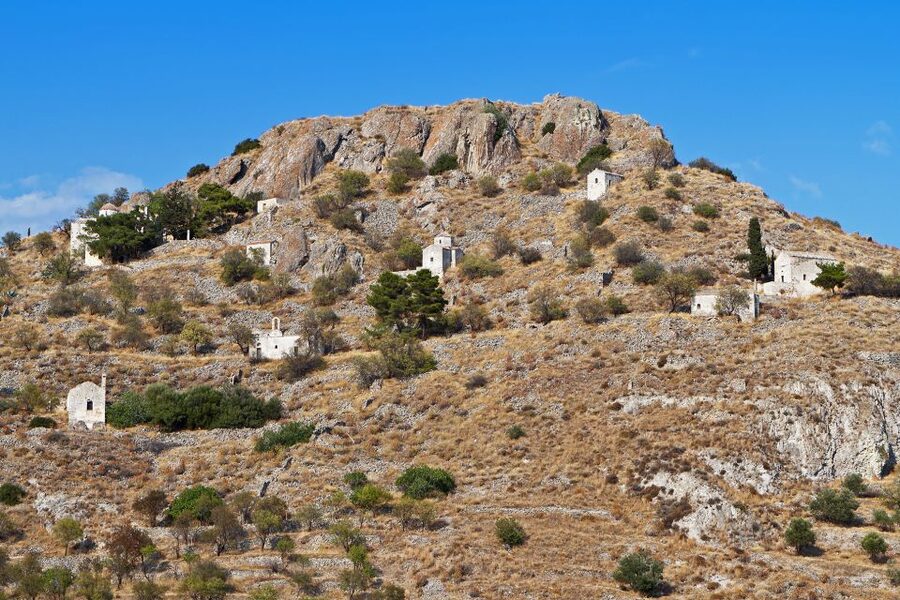
One of the day’s more unusual stops is Paleochora, the former Byzantine settlement in the hills of Aegina. You walk toward the remains of the medieval town, where 28 churches still survive.
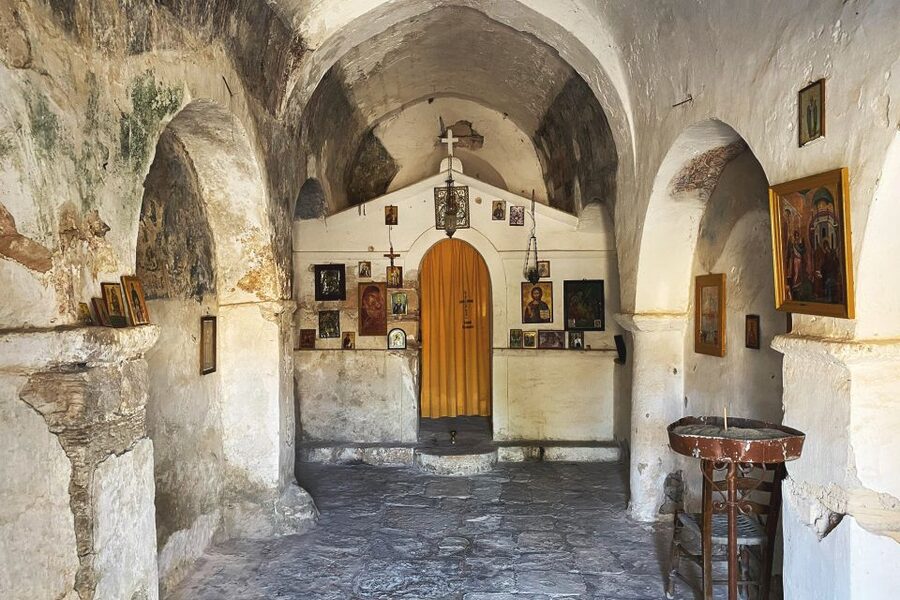
The appeal is not a single grand ruin. It is the sense of a former hill settlement scattered across the slope, with old walls, small chapels, and painted interiors. The surviving wall paintings add a visual layer that you will not get from the island’s ancient Greek sites.
You should take the walking portion seriously. The route toward the churches includes uphill sections and can feel demanding in the heat. Comfortable shoes, water, a hat, and sunglasses are not optional extras here. One person found the climb hard but still enjoyed the stop, which is a fair picture of the experience.
The effort pays off with broad views from the mountain. You can also take photographs along the way, though the uneven and uphill route means this is not the best stop for anyone looking for a completely flat, easy morning.
Your guide gives the ruins context and helps turn scattered remains into a readable place. Names have varied by departure, but guides such as Vivian, Vasilis, Dimitra, and Stavroula have been singled out for clear explanations, patience, and attention to individual needs.
Saint Nektarios Monastery and the island’s religious side
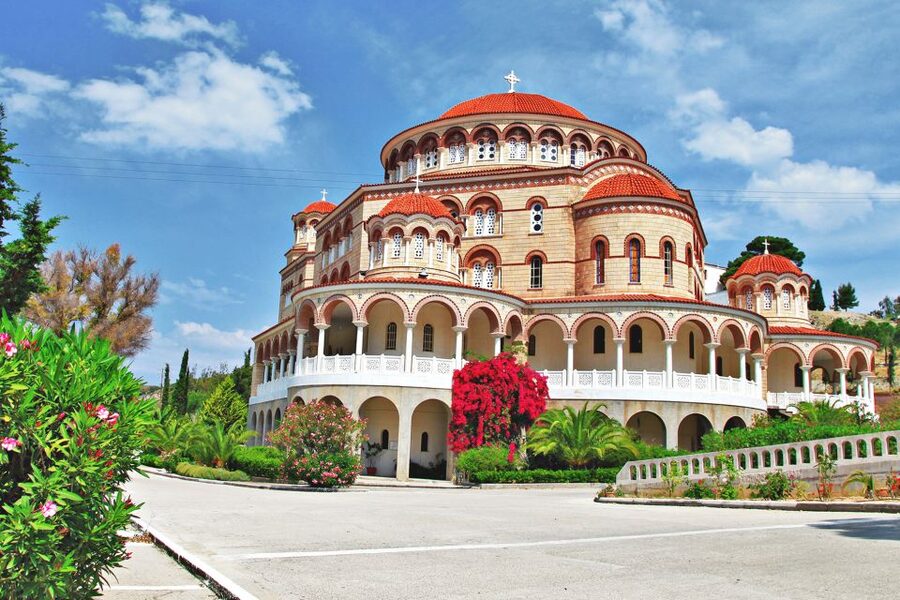
The next major stop is Saint Nektarios Monastery, described as one of the largest monasteries in the Balkans. It is an important religious site and one of the island’s best-known landmarks.
This stop changes the mood of the day. After the open hillside at Paleochora, the monastery offers a more formal setting and a chance to see a living place of worship rather than only archaeological remains. Your guide explains its place in Aegina’s religious life and points out details that would be easy to miss if you were simply stopping for photographs.
The tour information does not specify a required dress code, so check current local expectations before you go. As with any active religious site, respectful behavior is sensible.
For some people, the monastery will be the day’s emotional highlight. For others, the ancient temple or beach will matter more. That variety is one of the tour’s strengths. You are not asked to spend the entire day looking at one kind of monument.
A few more Athens days worth a look
- Athens: Cape Sounion & Poseidon Temple Sunset Half-Day Trip
★ 4.8 · 8,241 reviews - Athens: Meteora Monasteries Day Trip with Caves and Lunch
★ 4.7 · 2,964 reviews - From Athens: Small-Group Delphi, Museum & Arachova Day Trip
★ 4.8 · 2,476 reviews - From Athens: Mycenae, Epidaurus & Nafplio Full Day Trip
★ 4.8 · 2,438 reviews
The Temple of Athena Aphaia and the extra €10
The Temple of Athena Aphaia is the main ancient Greek sight on the route. It is praised for its preservation and its archaic architecture, and it gives the tour a major historical anchor after the Byzantine stops.
The temple is not just another columned ruin to tick off. Its position and surviving form make it easy to appreciate the planning and proportions of Greek sacred architecture. An archaeologist guide can also explain how the temple fits into the wider story of ancient Greece, rather than leaving you with a few dates and a photograph.
Entrance costs €10 per person and is not included in the advertised price. Free entry is available to EU citizens up to age 25 with valid identification or a passport, and to non-EU citizens up to age 18. Reduced entry is available for EU citizens aged 65 and over only between October 1 and May 31.
There is an important seasonal rule: during June, July, August, September, and October, only the full ticket price applies, with no senior reduction. Check your eligibility before budgeting, since October appears in both the reduced-entry period description and the full-price warning. The safest practical assumption for October is to expect the full €10 unless the operator or site confirms otherwise.
Two hours at the beach
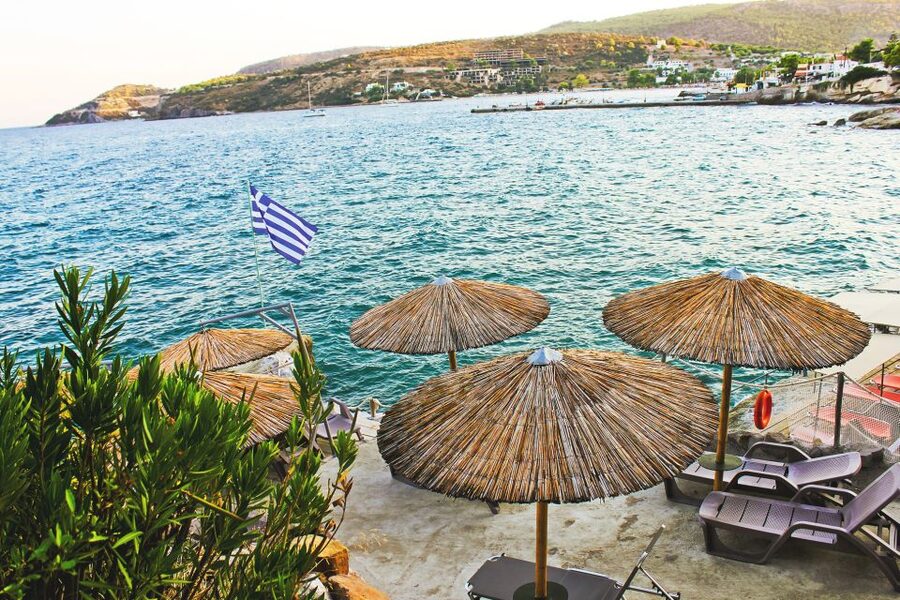
After the churches and temples, the schedule gives you about two hours by the sea. This is more than a quick photo stop. You have time to swim, dry off, and eat lunch at a traditional tavern near the beach.
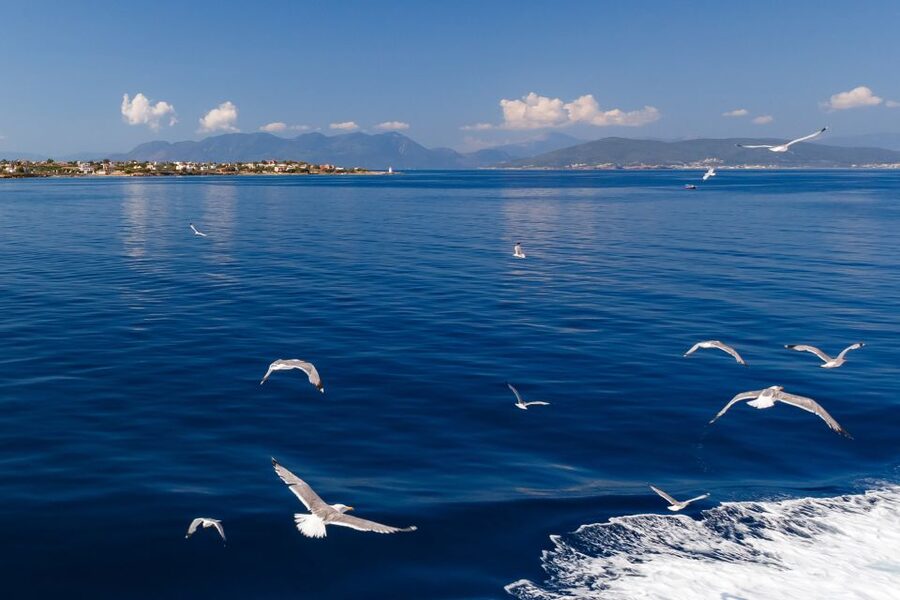
Bring swimwear, a towel, and water. The sea is described as clear, and the setting looks across the Saronic Gulf. For many people, this is the part that makes the historical touring feel balanced rather than tiring.
Lunch is not included. You can order seafood and other food at a local tavern, but allow for the fact that a leisurely meal uses part of your two-hour break. If you want both a swim and lunch, keep an eye on the meeting time. One person gave a useful practical warning: beach chairs cost extra.
The beach stop also helps with the heat. Several summer departures were described as comfortable because the hottest part of the day was spent by the water. Still, summer sun can make the uphill Paleochora visit feel strenuous, so carry water and use the beach break to rest rather than trying to fill every minute with activity.
You do not have to swim. One couple chose to use the time for shopping instead, while still finding the beach attractive. That flexibility is helpful if you are traveling with mixed interests or do not want to spend the day in swimwear.
Aegina Town, neoclassical buildings, and pistachios
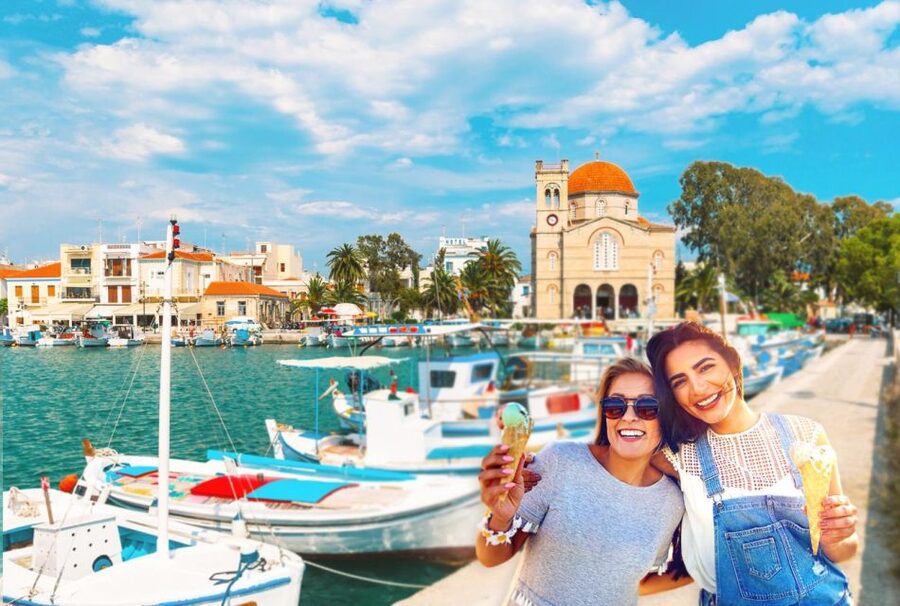
The final part of the day gives you free time in Aegina Town. This is a chance to stroll at your own pace rather than follow a guide from one stop to the next.
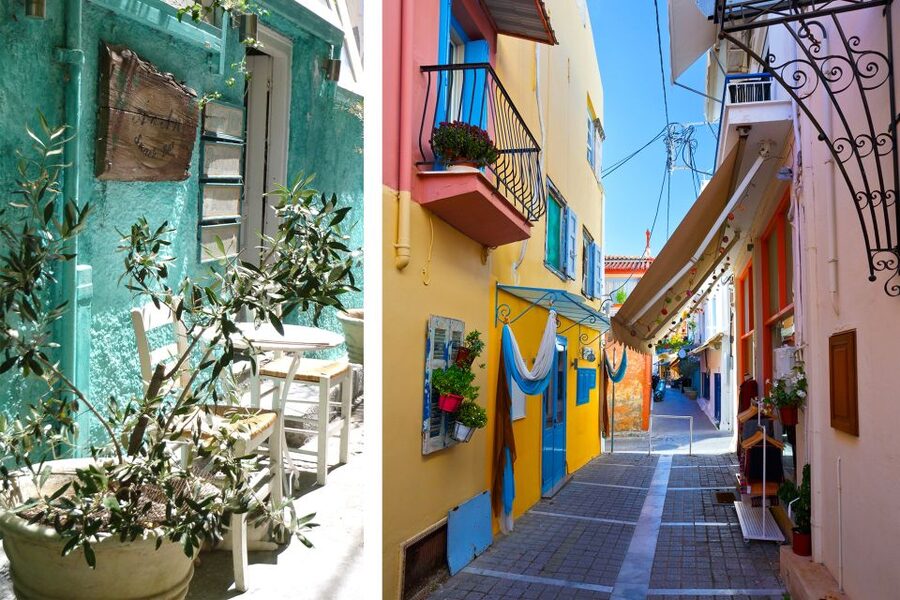
Look for the neoclassical mansions associated with the early years of modern Greece, including buildings connected with the country’s Governor and other public institutions. The town offers a different view of Aegina from the rural hills and religious sites. Here, the island’s role in modern Greek public life comes into focus.
You can use the free time for shopping, a short walk, coffee, or more food. One useful tip is not to spend every spare minute at the first pistachio shop. You may want time for other stores and local products as well.
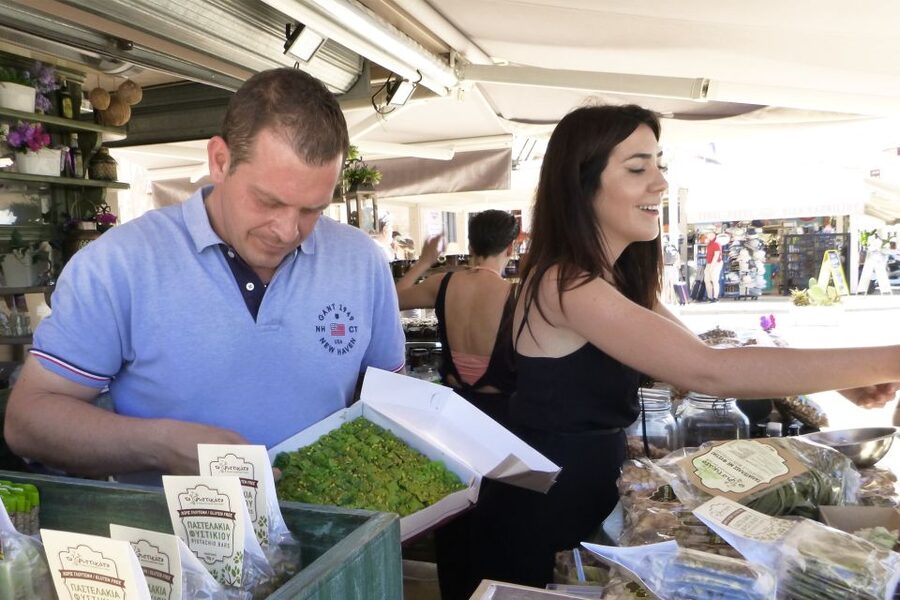
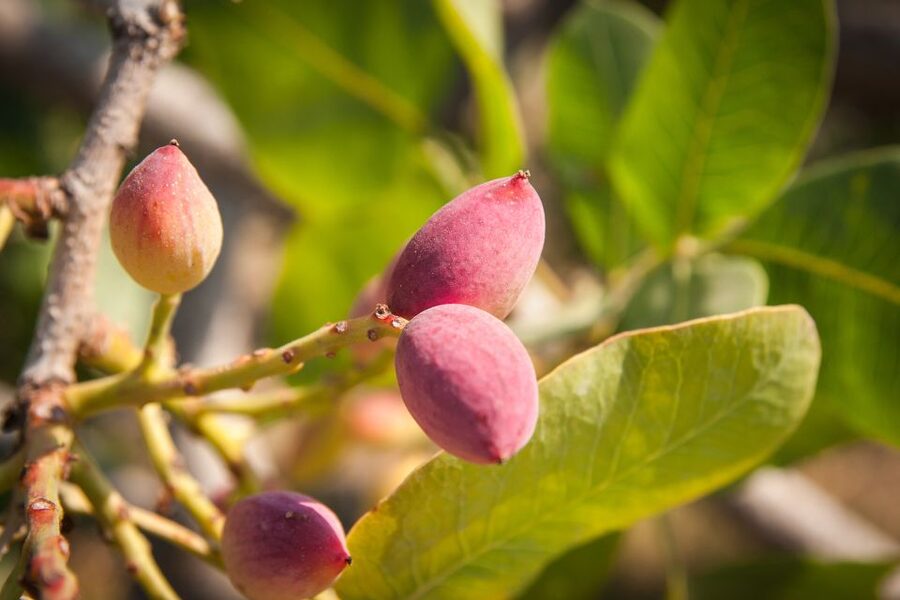
The pistachio tasting is a small but fitting end to the day. Aegina pistachios are closely tied to the island’s identity and appear in traditional sweets and other treats. The tasting lets you try the local variety before deciding what to take home. Pistachio pesto has also been a memorable find on past departures, although the exact products available can vary.
Guides, transport, and how the day feels
The guide is a major part of this tour. The stated language is English, and the guide is described as an expert archaeologist. Names from different departures include Vivian, Vasilis, Dimitra, Stavroula, Marco, Roi, and Garyfallia.
The strongest pattern is clear explanation paired with personal attention. Vivian has been praised for offering food and activity suggestions beyond Aegina, while Vasilis has been described as both professional and flexible. Dimitra and Stavroula have also been noted for looking after individual needs, including families with young children.
That does not mean every departure will feel identical. Group size can vary, and a small group allows the guide to adjust more easily. One small departure had only four participants, while other groups included children, students, and older adults. The guide’s ability to answer questions and adjust the pace matters, especially during hot weather.
The coach transport is another practical advantage. Aegina’s key sights are not all clustered around the port, and arranging the mountain sites, monastery, temple, and beach independently would require more planning. You give up some independence, but you gain a smoother route and less concern about local connections.
The day is active without being nonstop. You walk uphill at Paleochora, visit several sites, spend time in the coach and on the ferry, then have a proper beach break and free time in town. People who want to see a lot but do not want three islands squeezed into one schedule will appreciate that the current focus is Aegina.
Who should book this Aegina day trip
I would recommend it to you if you want:
- A first look at Aegina without staying overnight
- Ancient and Byzantine history in the same day
- A guided route with island transport arranged
- Time for swimming and lunch, not only monuments
- A taste of local pistachio products
- Help from an English-speaking guide with archaeological training
It is also a good fit for families and mixed-age groups if everyone can manage the uphill walking. A departure with an infant was handled with care, but the route still includes uneven and sloping ground, so you should consider your own needs before booking.
I would be more cautious if you dislike ferries, hot-weather walking, or fixed schedules. The tour is long, and the extra fees reduce the bargain slightly. You also need to carry swim gear and comfortable walking shoes, rather than dressing only for a city sightseeing day.
Cancellation is flexible up to 24 hours before departure for a full refund, and you can reserve now and pay later. The meeting point is public and easy to reach by metro, but Gate E8 requires a little port navigation.
Should you book it?
Book this tour if you want the most varied Aegina day possible from Athens. The combination of Paleochora’s hillside churches, Saint Nektarios Monastery, Athena Aphaia, a two-hour beach break, Aegina Town, and pistachio tasting gives you a real sense of the island beyond its ferry port.
The value is strongest when you would otherwise need to arrange transport between scattered sights. Budget honestly for the €30 ferry charge, the €10 temple fee, lunch, and any beach chair. If you are happy with those costs and can handle a long day with some climbing, this is a well-paced introduction to Aegina that mixes serious history with time to relax.
FAQ
How long is the Aegina day trip from Athens?
The activity lasts 11 hours, including the journey from Piraeus, time on Aegina, and the return trip.
Where is the meeting point?
Meet at Piraeus Port, Gate E8, under the E8 sign. It is about a 10-minute walk from Piraeus metro station or Dimotiko Theatro metro station.
Are ferry tickets included in the $57 price?
No. Ferry arrangements cost €30 per person, including the €6 pre-booking and service fee and €24 sea taxi fare. The tour team issues and delivers the tickets before departure.
Is the Temple of Athena Aphaia entrance included?
No. The entrance fee is €10 per person unless you qualify for an applicable free-entry category.
Who can enter the archaeological site for free?
EU citizens up to age 25 with valid identification or a passport enter free. Non-EU citizens up to age 18 also enter free.
Are reduced senior tickets available?
EU citizens aged 65 and over receive reduced admission only for visits between October 1 and May 31. From June through October, only the full ticket price applies according to the stated conditions.
Is swimming part of the itinerary?
Yes. The tour allows about two hours at a beach for swimming and relaxation.
What should I bring for the beach and walking?
Bring comfortable shoes, sunglasses, a hat, swimwear, a towel, and water.
Is lunch included?
No. You can buy fresh seafood or another meal at a traditional tavern near the beach.
What language is the tour conducted in?
The live tour guide speaks English.
Freshly added Athens trips
- Athens and Ancient Corinth Private from Athens★ 5.0 · 3 reviews
- Full day Meteora private tour★ 5.0 · 3 reviews
- Double Shore Dive (certified divers)★ 4.5 · 3 reviews
- From Athens: Mycenae and Epidaurus Private Tour★ 4.8 · 3 reviews
- Athens Hills: Mythology Treasure Hunt★ 5.0 · 3 reviews
- Sunset & swimming at Cape Sounio, Poseidon temple★ 5.0 · 3 reviews
- Philosophy Experience at Plato’s Academy Park – basic version★ 5.0 · 3 reviews
- Private Acropolis Tour – Ticket Included★ 5.0 · 3 reviews
Saronic Islands Cruises, compared.

All Day Cruise -3 Islands to Agistri,Moni, Aegina with lunch and drinks included
Read our review →
Hydra, Poros, and Aegina Day Cruise with Lunch
Read our review →
Athens cruise: Agistri, Moni/Metopi, Aegina with lunch & drinks
Read our review →
Agistri, Metopi & Aegina Cruise with Meals & Drinks
Read our review →
Cruise to Agistri, Moni & Aegina with Lunch & Drinks
Read our review →
Hydra, Poros and Egina Day Cruise from Athens with Optional VIP Upgrade
Read our review →
Agistri, Moni, and Aegina Cruise with Lunch & Drinks
Read our review →
Athens Day Cruise: 3 Islands Tour in the Saronic Gulf with Lunch
Read our review →Browse the lists this tour appears in