
Reviewed · WORKSHOPS
Aristotle’s Philosophy Experiential Workshop, Lyceum, Athens
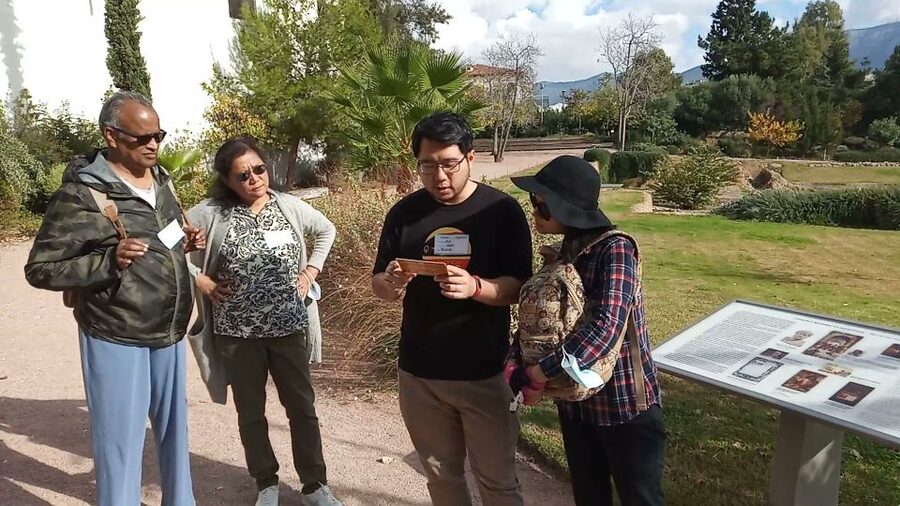
Aristotle’s Lyceum becomes much more than a patch of ancient stones in this interactive philosophy workshop. You begin beneath the trees of Rizari Park, then walk into the archaeological site where Aristotle taught and his students once walked as they discussed how to live well.
I like the simple path from Socrates to Plato to Aristotle, and I like the way abstract ideas become practical through a card game and modern examples. The one thing to consider is that this is not a conventional guided tour. You will spend less time on architecture and excavation details, and more time talking, thinking, and taking part.
In This Review
- Key points
- Aristotle’s Lyceum as a classroom
- Walking through the Lyceum ruins
- The ethics card game
- Finding Aristotle’s Golden Mean
- What the 100-minute schedule feels like
- Price, entrance fee, and practical value
- Weather, access, and site manners
- Who will enjoy this philosophy workshop?
- Should you book Aristotle’s Lyceum workshop?
- FAQ
- How long does the Aristotle’s Philosophy Experiential Workshop last?
- Is the Lyceum entrance fee included?
- Do I need previous knowledge of philosophy?
- What language is the workshop conducted in?
- Is the activity wheelchair accessible?
- What happens if it rains?
Key points
- Read Aristotle in ancient Greek: You can read selected phrases aloud, with help from the facilitator.
- Walk through the actual Lyceum site: The workshop connects the ruins to Aristotle’s teaching method and school.
- Learn through a card game: The activity uses play to explain virtues and Aristotelian ethics.
- Discuss the Golden Mean: Modern daily situations make Aristotle’s theory easier to grasp.
- Plan for an outdoor session: Rain may move the workshop to the café beside the Byzantine Museum.
- Budget for the entrance ticket: The €5 full-price or €3 reduced-price site fee is not included.
Aristotle’s Lyceum as a classroom
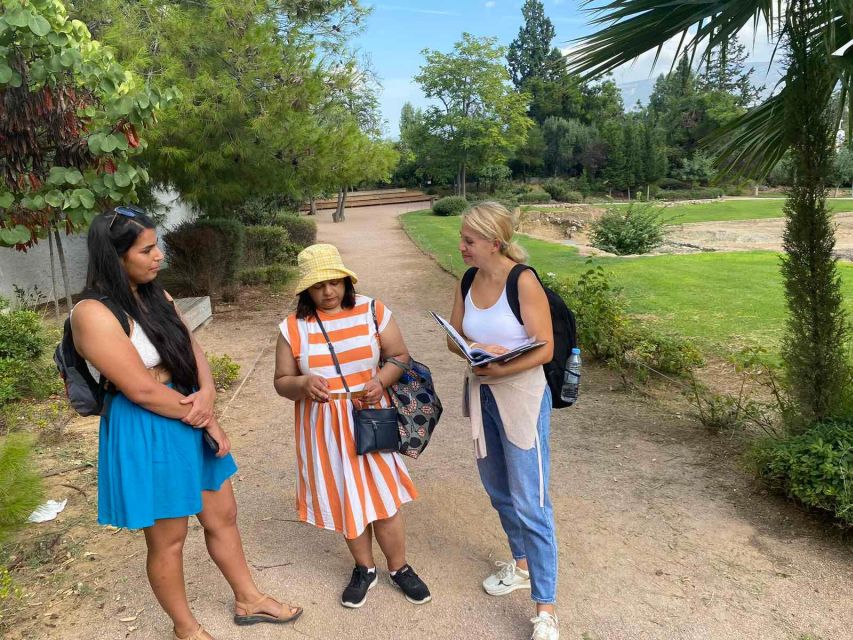
Many ancient sites in Athens ask you to look, read a sign, and move on. This experience asks you to participate. Its subject is Aristotle’s idea of self-excellence, but the setting gives that idea a physical shape: you walk where Aristotle taught, pause near the excavations, and consider how his students trained their minds.
The workshop begins in Rizari Park, a useful meeting place near the archaeological site. Under shaded trees, the facilitator introduces the historical chain linking Socrates, Plato, and Aristotle. This opening is brief, but it gives the session a clear frame. Aristotle did not appear out of nowhere. His thinking grew from a longer Greek tradition of asking what knowledge is, how people should live, and what makes a good society.
You do not need previous study in philosophy. The activity is designed for beginners, and the facilitator explains the ideas in plain terms. That matters because Aristotle’s writing can feel dense when you meet it in a book. Here, the discussion begins with a story of teachers and students before moving toward questions that still fit ordinary life.
You may also read a few Aristotelian phrases aloud in ancient Greek. This is not a language lesson, and you will not be expected to translate long passages. Instead, it gives you a small sense of the sound and form of the original material. For anyone interested in classical Greece, it is a memorable detail that a standard ruins visit rarely offers.
A few more Athens days worth a look
- Athens: Classic Cooking Class with Market Visit and Wine
★ 5.0 · 1,101 reviews - Athens: Food Market Visit and Cooking Class with Wine
★ 4.9 · 1,087 reviews - Greek Cooking Class in Athens Including Rooftop Dinner with Acropolis View
★ 5.0 · 826 reviews
Walking through the Lyceum ruins
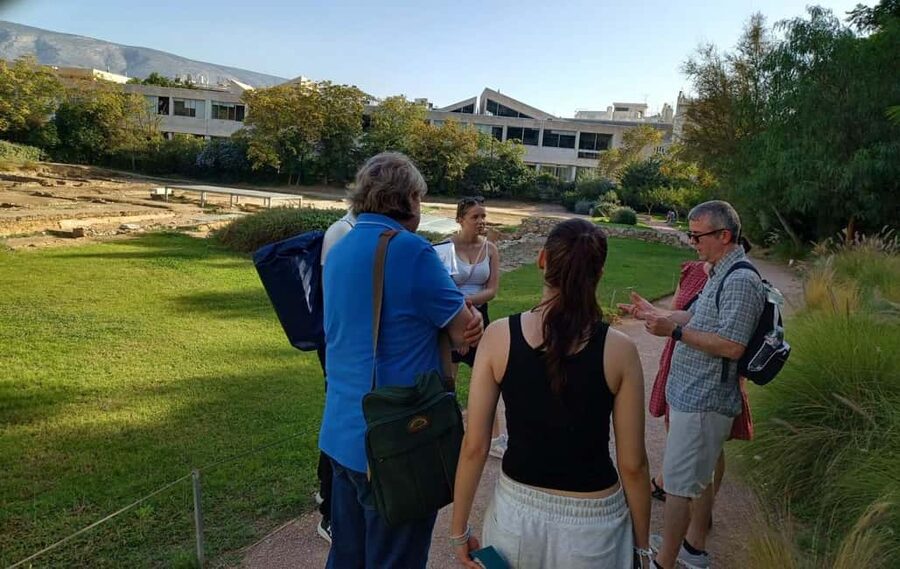
The group then enters the nearby archaeological site of Lyceum, Aristotle’s school. The entrance fee is separate from the workshop price, so allow for an additional €5 per adult or €3 at the reduced rate.
The excavated remains are not a huge monument complex. You should come for the connection between place and ideas, not for grand columns or a long list of surviving buildings. The site matters because it identifies the setting of Aristotle’s school and gives the discussion a real location.
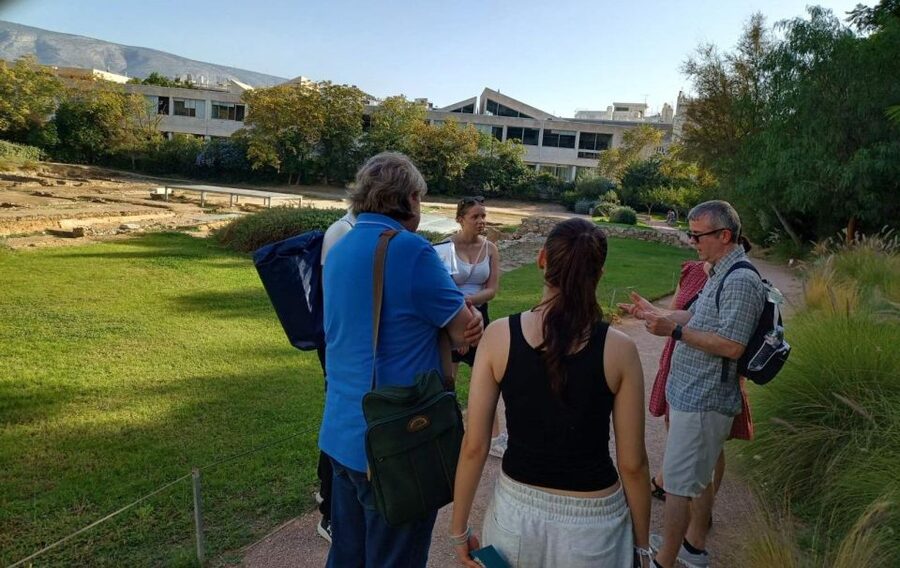
As you walk around the ruins, the facilitator explains how the site relates to Aristotle and his students. The workshop is not presented as a formal archaeological tour, so the emphasis stays on philosophy. That distinction is important. If you want detailed information about construction, excavation, dates, and every visible feature, you may want to visit with a separate guide or read about the site before coming.
For this activity, the ruins act as a working classroom. You are encouraged to connect the physical setting with the ancient practice of walking and discussing ideas. The movement is part of the design, rather than a transfer between unrelated stops.
The outdoor setting also affects comfort. Athens can be hot, and much of the experience takes place outside. Shaded trees are used at the opening, but you should still dress for the weather and arrive ready to stand or walk. Large bags and luggage are not allowed, and food, drinks, and smoking are also prohibited during the session.
The ethics card game
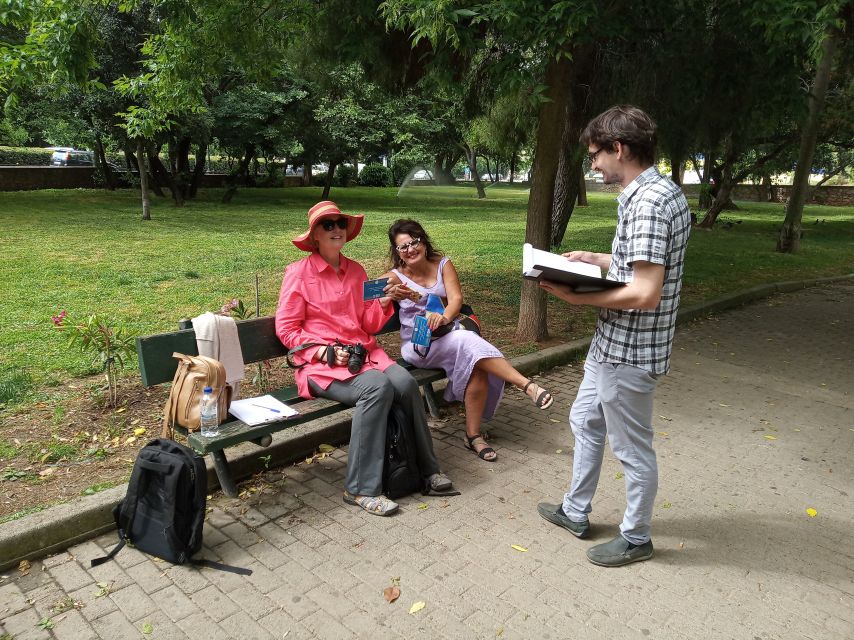
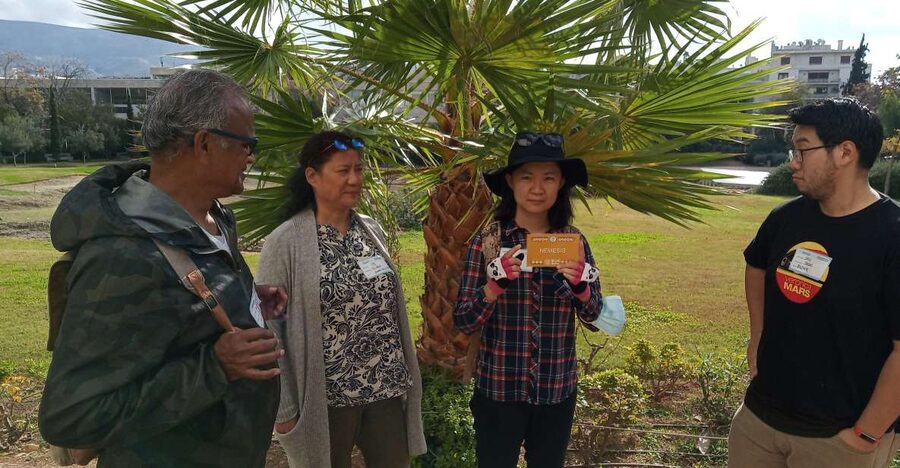
The most playful part of the workshop is a card game built around Aristotelian ethics. It helps explain the role of virtues, which are central to Aristotle’s view of a good life.
This is a smart format for beginners. Instead of hearing a long lecture about moral theory, you make choices, compare ideas, and talk through possible responses. The game gives the facilitator a way to show that virtue is not just a label such as honesty or courage. It involves practice, judgment, and finding a suitable response to a situation.
You should expect to interact with the other people in your group. That may mean discussing your choices, listening to different views, or explaining why one response seems more balanced than another. The session has a social side, so it suits people who enjoy conversation more than those who want a quiet, private visit.
The small-group format helps here. Private or small-group options are available, although the exact arrangement depends on what you book. A smaller group usually makes it easier to speak and ask questions, while a private booking may feel more focused. The supplied experience information does not name individual facilitators, so you should not expect to request a particular instructor unless the booking options state otherwise.
The single published review describes the activity as a great interactive experience. That praise fits the format: participation is not an extra feature added to a site visit. It is the main way the workshop works.
Finding Aristotle’s Golden Mean
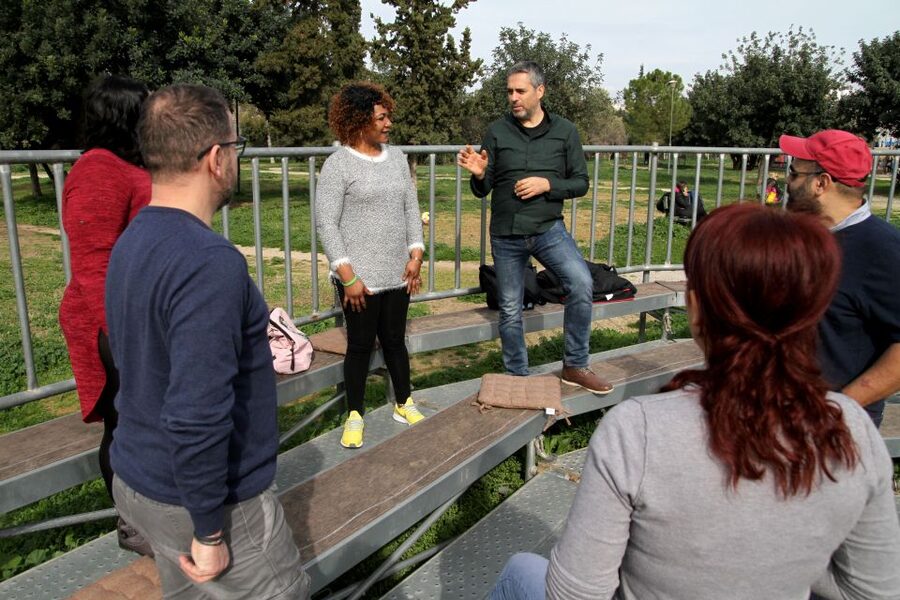
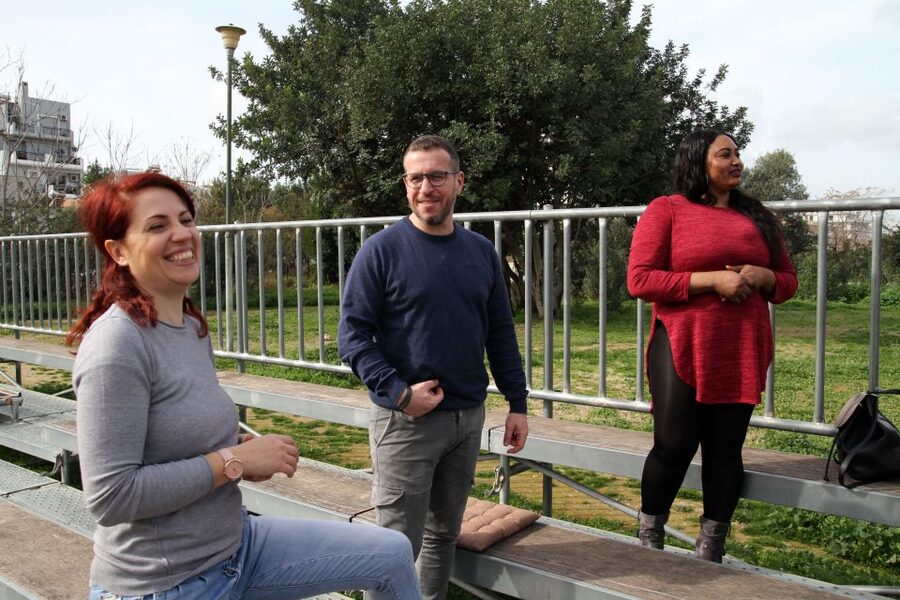
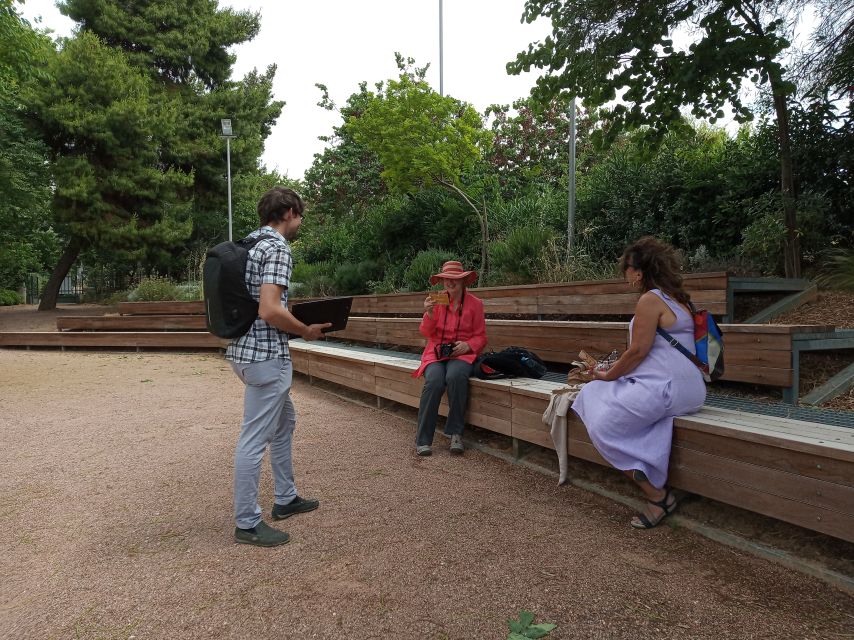
The final part takes place in a small amphitheater with a direct view of the excavations. This is where the workshop turns to the Golden Mean, one of Aristotle’s best-known ideas.
The Golden Mean is not simply a command to choose the middle option every time. In practical terms, it asks you to avoid too little and too much, while choosing the response that fits the situation. Courage, for example, can be understood between cowardice and reckless behavior. The right balance is not identical for every person or every moment.
The facilitator uses examples from modern daily life to make the idea less remote. You discuss how a person might act with better judgment in ordinary situations, then connect those choices to the larger goal of eudaimonia. In Aristotle’s thought, eudaimonia is the ultimate human goal, often understood as a life of flourishing or genuine well-being.
This closing discussion is the reason to book the workshop rather than simply enter the ruins alone. You leave with a question to consider about your own habits, choices, and relationships. The activity does not promise a quick formula for happiness. Instead, it presents Aristotle’s view that a good life is built through repeated actions and thoughtful practice.
The amphitheater setting also gives the workshop a calm finish. You are seated, looking toward the excavation area, and discussing the ideas after the walking and game. If you prefer experiences with a clear beginning, middle, and end, this structure works well.
Same city, a completely different century:
- Athens: Acropolis & up to 5 Archaeological Sites Combo Pass
★ 4.4 · 12,619 reviews - Athens: Acropolis Ticket with Optional Audio or Live Guide
★ 4.2 · 11,055 reviews - Athens: Acropolis, Parthenon & Acropolis Museum Guided Tour
★ 4.8 · 9,316 reviews - Athens: Cape Sounion & Poseidon Temple Sunset Half-Day Trip
★ 4.8 · 8,241 reviews
What the 100-minute schedule feels like
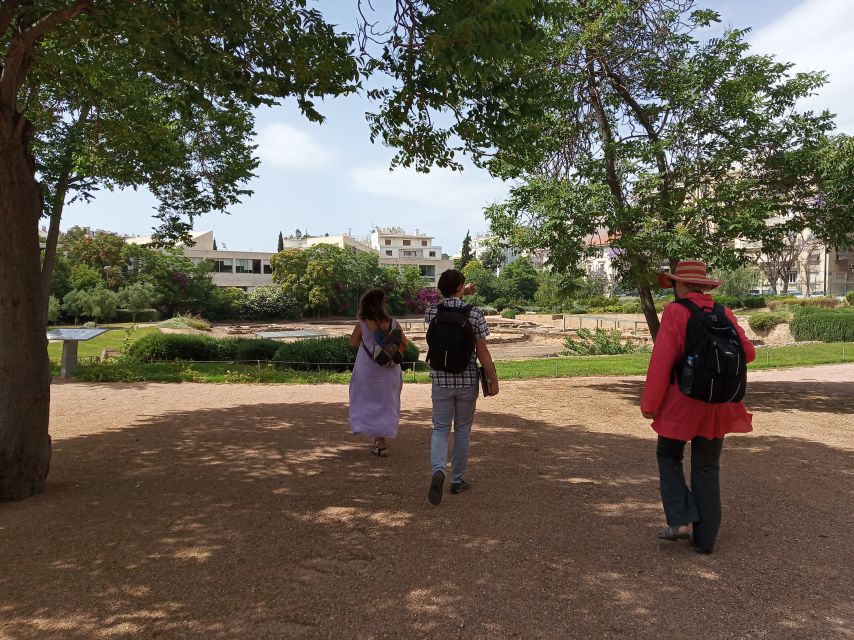
The advertised duration is 100 to 101 minutes. That is long enough to develop one subject without taking over your day in Athens. You can fit it around visits to nearby museums and central neighborhoods, but you should check the available starting times before planning the rest of your schedule.
The session moves through four connected stages:
- An introduction beneath the trees in Rizari Park
- A visit to the Lyceum archaeological site
- A walking card game about virtues
- A seated discussion of the Golden Mean and eudaimonia
The exact amount of time at each stage is not specified. The balance may also depend on group size and the pace of discussion. If your group enjoys talking, the philosophical sections may naturally take more time.
English is the activity language. You do not need to know ancient Greek, although you will have the chance to read selected phrases aloud. You also do not need any earlier philosophy training. The important requirement is a willingness to join in.
Children under 15 are not considered suitable for this workshop. That makes sense given the discussion-based format and the level of concentration involved. Teenagers aged 15 and older may enjoy it if they have an interest in ideas and are comfortable taking part in a group.
Price, entrance fee, and practical value
The workshop costs $90 per person, with local tax included. The archaeological entrance ticket is extra, at €5 for full admission or €3 for the reduced rate.
That is not a low-cost way to see the Lyceum. You are paying for an organized, expert-led activity rather than a simple site entry. The value depends on what you want from Athens. If your main goal is to inspect ruins quickly and move on, the added cost may not feel justified. If you want a guided way into Greek philosophy, the price covers a focused session with teaching, materials, discussion, and access to the site.
I see the strongest value in the structure. The facilitator does not just talk about Aristotle in a park, and the site visit does not sit apart from the lesson. The reading, walk, card game, and amphitheater discussion all support the same subject.
You also get a format that is harder to recreate on your own. You can read about the Golden Mean before visiting Athens, but it is different when you have to test the idea against examples and hear how other people understand it. The workshop gives you a clear route through a difficult topic.
The price is easier to justify for a private or small group, especially if you want to ask questions. Still, the available details do not state the maximum group size or explain how much more a private option costs. Check those details before booking if group size is important to you.
Weather, access, and site manners
The experience takes place outdoors, so weather is a real planning issue. If rain arrives, the workshop may move to the café of the Byzantine Museum, next door. That gives the session a possible shelter, but the exact indoor arrangement may differ from the planned visit to the ruins.
Wear sensible clothing for an archaeological site and an outdoor discussion. Respectful behavior is required throughout. That includes appropriate conduct, cleanliness, dress, noise, and photography or video. The facilitator can end your participation without a refund if your behavior is disrespectful toward the site or other people.
Wheelchair access is listed as available. Because the session includes walking through an archaeological area, you should confirm the exact route and surface conditions if you have specific mobility needs. The experience information confirms accessibility but does not describe every section of the site.
Luggage and large bags are not allowed. Do not plan to arrive with a suitcase. Smoking, food, and drinks are also prohibited. Facilitators have first-aid training and certification, but they are not legally allowed to provide medicines, so bring any medication you personally need.
Cancellation is flexible up to 24 hours before the start time, when you can receive a full refund. You can also reserve and pay later, which helps if your Athens plans are still shifting.
Who will enjoy this philosophy workshop?
I would recommend this for adults and older teenagers who want more than a standard explanation of ancient Athens. It suits curious beginners, readers of Greek philosophy, teachers, students, and anyone who enjoys connecting old ideas with present-day choices.
It is especially useful if you like interactive activities. You will not simply listen to a guide recite facts. You will read, walk, play, discuss, and make judgments. That active format is the central strength of the experience.
It may be less suitable if you want a quiet archaeological visit, a detailed architectural tour, or a short photo stop. The ruins receive attention, but Aristotle’s ethics receives more. You should also think twice if you dislike speaking in groups or being asked to explain your point of view.
The setting makes this a good choice for a second or third day in Athens, after you have seen the major ancient monuments and want a different angle on the city’s intellectual past. It does not replace the Acropolis or the major museums. It adds a human and practical layer to your understanding of classical Athens.
Should you book Aristotle’s Lyceum workshop?
Book it if you want to stand at an important ancient site and take part in a clear, beginner-friendly discussion about how to live well. The interactive card game, the chance to read ancient Greek, and the final Golden Mean discussion give the 100-minute session more shape than a basic site visit.
Skip it if you mainly want archaeological detail or prefer to explore independently. The $90 price, plus the entrance fee, is a serious cost for a short activity, and the workshop depends on your willingness to participate.
For the right person, though, this is a thoughtful use of time in Athens. You walk among the remains of Aristotle’s school, then leave with a practical question: how might better judgment and repeated good choices shape your own life?
FAQ
How long does the Aristotle’s Philosophy Experiential Workshop last?
The workshop lasts approximately 100 to 101 minutes. Starting times vary, so check availability when booking.
Is the Lyceum entrance fee included?
No. The archaeological entrance ticket costs €5 at the full rate or €3 at the reduced rate.
Do I need previous knowledge of philosophy?
No. The workshop is designed for beginners and does not require previous study of Aristotle or ancient philosophy.
What language is the workshop conducted in?
The facilitator leads the experience in English. You may also read selected phrases by Aristotle aloud in ancient Greek.
Is the activity wheelchair accessible?
Yes, the experience is listed as wheelchair accessible. Since it includes an archaeological site and outdoor walking, confirm any route details you need before booking.
What happens if it rains?
The workshop may move indoors to the café of the Byzantine Museum, which is next to the planned outdoor setting. The experience is otherwise held outside.
Freshly added Athens trips
- Athens and Ancient Corinth Private from Athens★ 5.0 · 3 reviews
- From Athens: Mycenae and Epidaurus Private Tour★ 4.8 · 3 reviews
- Full day Meteora private tour★ 5.0 · 3 reviews
- Double Shore Dive (certified divers)★ 4.5 · 3 reviews
- Athens Hills: Mythology Treasure Hunt★ 5.0 · 3 reviews
- Sunset & swimming at Cape Sounio, Poseidon temple★ 5.0 · 3 reviews
- Philosophy Experience at Plato’s Academy Park – basic version★ 5.0 · 3 reviews
- Private Acropolis Tour – Ticket Included★ 5.0 · 3 reviews
Workshops, compared.

Classic Cooking Class with Market Visit and Wine
Read our review →
Food Market Visit and Cooking Class with Wine
Read our review →
Greek Cooking Class in Athens Including Rooftop Dinner with Acropolis View
Read our review →
Greek Small-Group Athens Cooking Class & Dinner
Read our review →

Greek Cuisine Cooking Class and 3-Course Dinner
Read our review →
Traditional Greek cooking class and lunch or dinner with an Acropolis view
Read our review →
Athens Airport Private Transfer by Mercedes-Benz E Class Wagon to City Center
Read our review →Browse the lists this tour appears in