
Reviewed · 3-DAY EXPERIENCES
3-Day Ancient Greek Archaeological Sites Tour from Athens
The best thing about this three-day circuit is how much ancient Greece it puts within reach of Athens. In one carefully packed trip, you can stand in Epidaurus’ remarkably clear theater, pass beneath the Corinth Canal, walk through Mycenae’s citadel, see Olympia’s Olympic altar, and climb to Apollo’s sanctuary at Delphi.
I like the way the tour combines major ruins with useful modern connections, including the Rio-Antirrio Bridge and the small harbor town of Nafpaktos. I also like that breakfast, dinner, hotels, entrance fees, and transport are included, which removes much of the planning burden. The tradeoff is distance: this is a busy road trip, and the ancient sites can take several hours in strong sun.
In This Review
- Key points to know
- Why this route works from Athens
- Day One: the Corinth Canal, Epidaurus, Nafplio, and Mycenae
- Day Two: Olympic ruins and the road to Delphi
- Day Three: Delphi and the return to Athens
- The guides can make or break the experience
- Transport, meals, and the pace of three days
- Who should book it
- Booking advice and final verdict
- FAQ
- What sites are included in the three-day tour?
- Does the tour include hotel accommodation?
- Are meals included?
- Is transport provided from Athens?
- Is an English-speaking guide included?
- Is the tour suitable for wheelchair users?
- What extra costs should I expect?
Key points to know
- Mycenae brings Greek legend to life: Walk through the Lion Gate, explore the citadel, and enter the Tomb of Agamemnon.
- Epidaurus is an acoustic marvel: The ancient theater is famous for how clearly sound carries across its stone seating.
- Olympia connects ruins with a living tradition: See the stadium, the Temples of Zeus and Hera, and the altar of the Olympic flame.
- Delphi is the tour’s most atmospheric stop: The sanctuary rises high on Mount Parnassus, with broad views over the valley.
- The tour is efficient but not leisurely: Long drives connect the sites, with short stops in places such as Tripolis, Megalopolis, Nafplio, and Nafpaktos.
- Guide quality matters here: Guides including Anna, Marianna Tsigaridou, Mando, Dimitris, Christina, and Evangelist have been praised for clear explanations, mythology, and practical care.
Why this route works from Athens
The Peloponnese and central Greece hold some of the country’s most important ancient sites, but they are spread across difficult distances. Public transport can get you to some of them, yet combining Mycenae, Olympia, and Delphi independently in only three days requires careful planning, multiple hotel bookings, and a willingness to manage rural connections.
This tour solves that problem with a luxury air-conditioned bus. You leave Athens with a guide, your entrance tickets are handled, and you sleep in Olympia and Delphi rather than returning to the capital every night.
That convenience has a price. You are not choosing your own departure time or lingering for an extra hour at a favorite ruin. The schedule works best if you want a strong first look at classical Greek archaeology, not a slow study of every stone.
The advertised price is $506 per person. That is a substantial amount, but it covers two nights in three-star or four-star hotels, two breakfasts, two dinners, entrance fees, guide service, and long-distance transport. Once you add independent buses or car hire, fuel, road tolls, hotels, and site tickets, the package becomes easier to justify.
You still pay for lunches, drinks, personal expenses, and hotel tax. The tax is €5 per room per night in a three-star hotel or €10 per room per night in a four-star hotel. The booking is based on a double or triple room, while a single room requires a separate booking for one person.
A few more Athens days worth a look
- 3-Day Classical Greece Tour: Epidaurus, Mycenae, Nafplion, Olympia, Delphi
★ 4.5 · 342 reviews - From Athens: 3 Days in Meteora & Delphi with Tours & Hotel
★ 4.6 · 97 reviews - Meteora & Delphi 3 Days Semi Private Tour
★ 4.5 · 80 reviews
Day One: the Corinth Canal, Epidaurus, Nafplio, and Mycenae
The first day begins with pickup from most centrally located Athens hotels, normally about an hour before departure. You can also meet at the supplier’s office 15 minutes before departure, but confirm the exact point and time with Key Tours before setting out.
The Corinth Canal is the first major stop. Cut through the narrow Isthmus of Corinth in the nineteenth century, it links the Saronic Gulf with the Gulf of Corinth. From the bridge, the canal looks narrow and dramatic, with steep walls dropping toward the water. It is a short visit, but a good opening reminder that this trip is not only about ruins.
At Epidaurus, the focus shifts to ancient theater. The theater is famous for its acoustics, and the guide normally explains how performances worked before giving you time to look around. Stand near the center and listen for voices or small sounds from the stage area. The famous acoustic effect is part of the site’s appeal, but the setting also matters: the theater sits within a sanctuary associated with Asclepius, the ancient god of healing.
This is one place where your imagination does useful work. You will see stone seating, the orchestra, and the stage structure, but not a complete theater in operation. A good guide helps you picture the ceremonies, performances, and crowds that once filled the site.
The route continues to Nafplio, written as Nayplia in some tour information. This elegant harbor town served as the first capital of the First Hellenic Republic. The stop is brief, and the itinerary includes a quick lunch opportunity, so do not expect a long independent visit.
You then drive through the plain of Argos toward Mycenae. The countryside, marked by olive trees and vineyards, gives context to the citadel ahead. Mycenae belongs to the Bronze Age world of Agamemnon and the Trojan War stories, though the myths and the archaeological evidence are not the same thing. A strong guide keeps those threads clear.
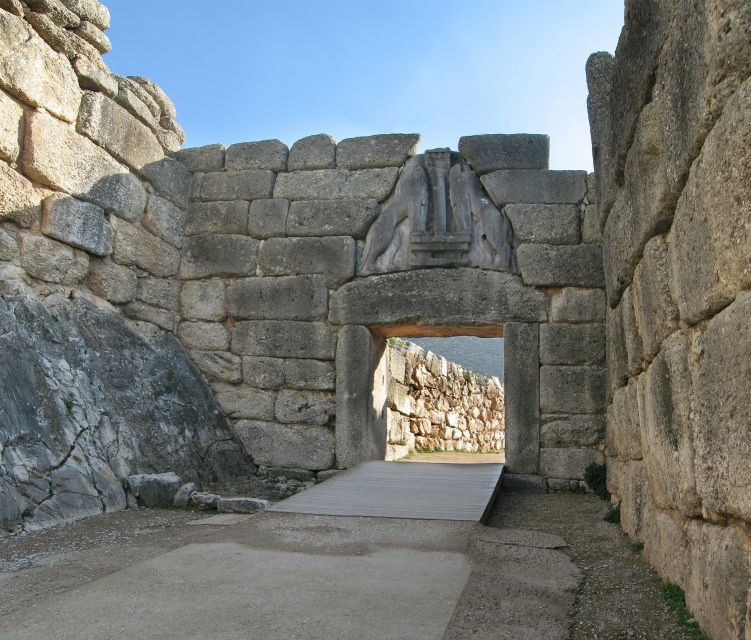
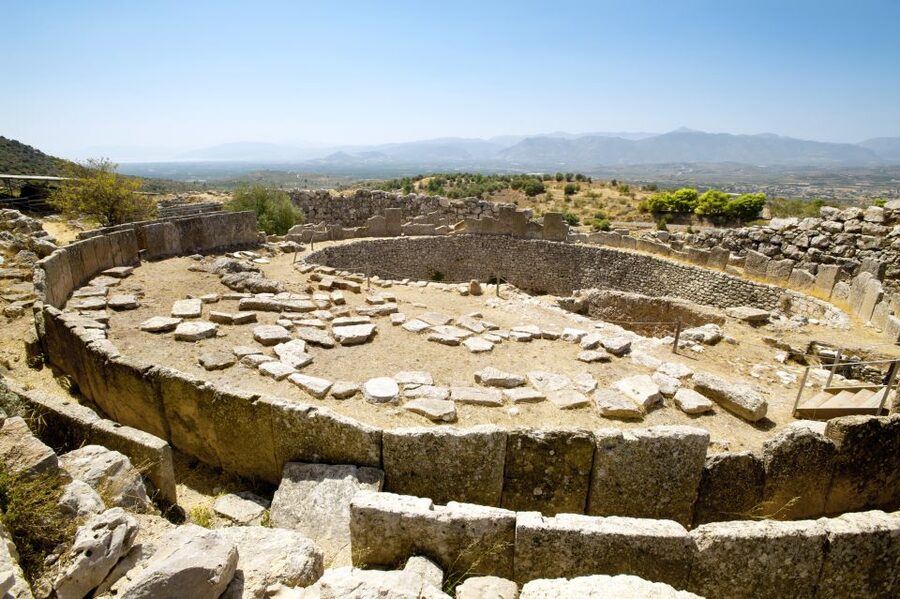
At the ruins, you visit the citadel and the Tomb of Agamemnon, also known as the Treasury of Atreus. The massive stone entrance and beehive-shaped tomb show a very different Greece from the later temples at Olympia and Delphi. Mycenae feels fortified, old, and powerful.
The site includes uneven ground and exposed areas, so wear firm shoes and keep water handy. You get guided context and time to explore, but the schedule does not allow unlimited wandering. Take photos as you go. It is easy to assume you will have time to return to the Lion Gate or tomb later, then find the group is ready to leave.
After Mycenae, the bus heads toward Olympia through Tripolis and Megalopolis. These are mainly short rest and refreshment stops. They break up the drive and give you a chance to stretch or buy a snack, but they are not full sightseeing visits.
You spend the night in Olympia. Hotel quality depends on the selected category and availability, but three-star accommodation has been described as quite comfortable, with one Olympia hotel receiving especially warm praise for its central setting, rooftop dining, and service. The included dinner is practical after a long day, though lunch is your own responsibility.
Day Two: Olympic ruins and the road to Delphi
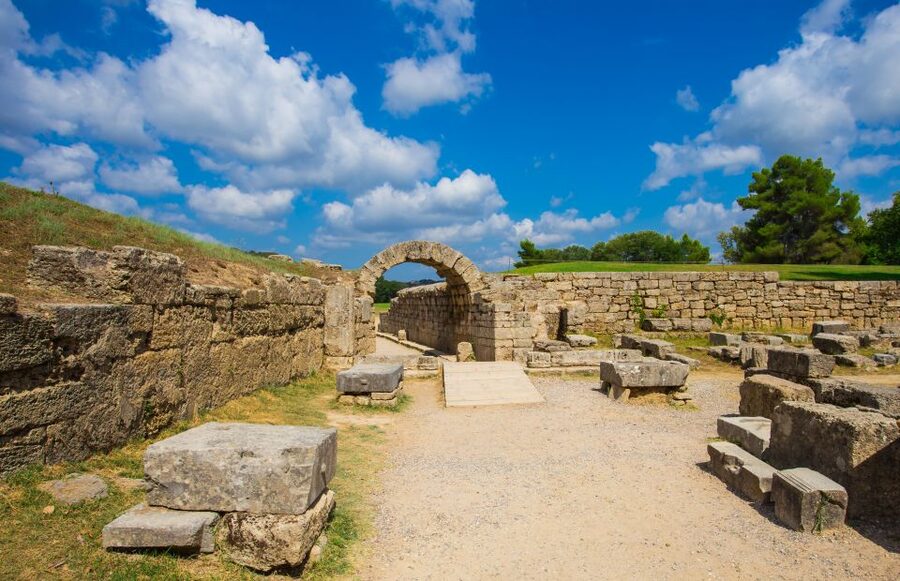
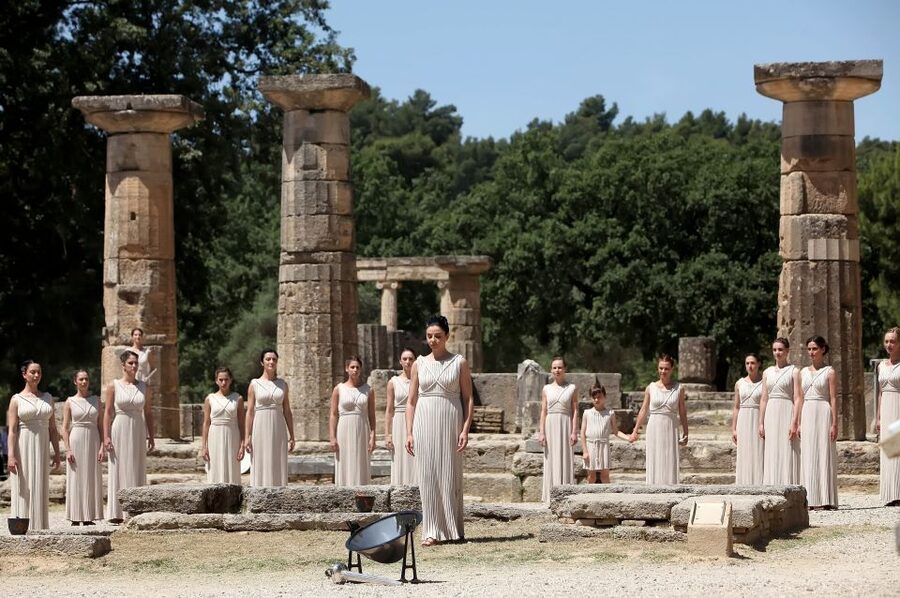
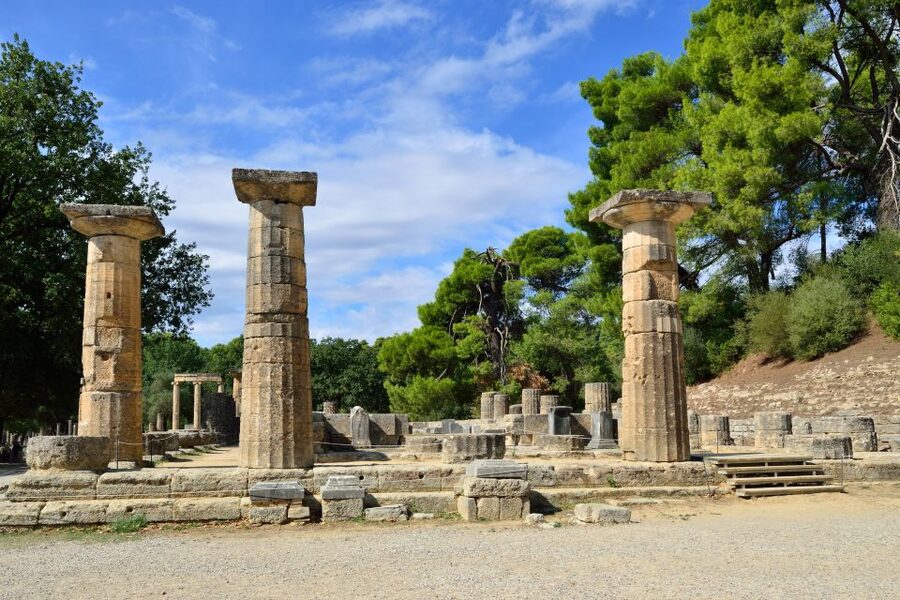
Olympia is more than a collection of fallen columns. It was sacred ground for the ancient Greeks and the site of the Olympic Games in classical times. The tour takes you through the archaeological remains, including the stadium, the Temples of Zeus and Hera, and the altar of the Olympic flame.
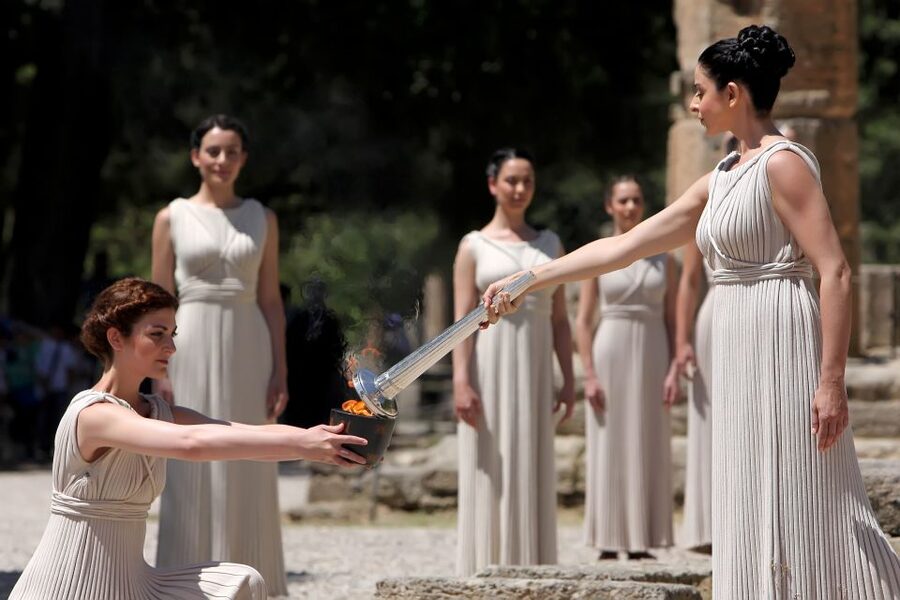
The altar is not simply a photo stop. It links the ancient festival with the modern Olympic tradition. The Games held here were tied to religious worship, athletic competition, political identity, and temporary truces between Greek communities.
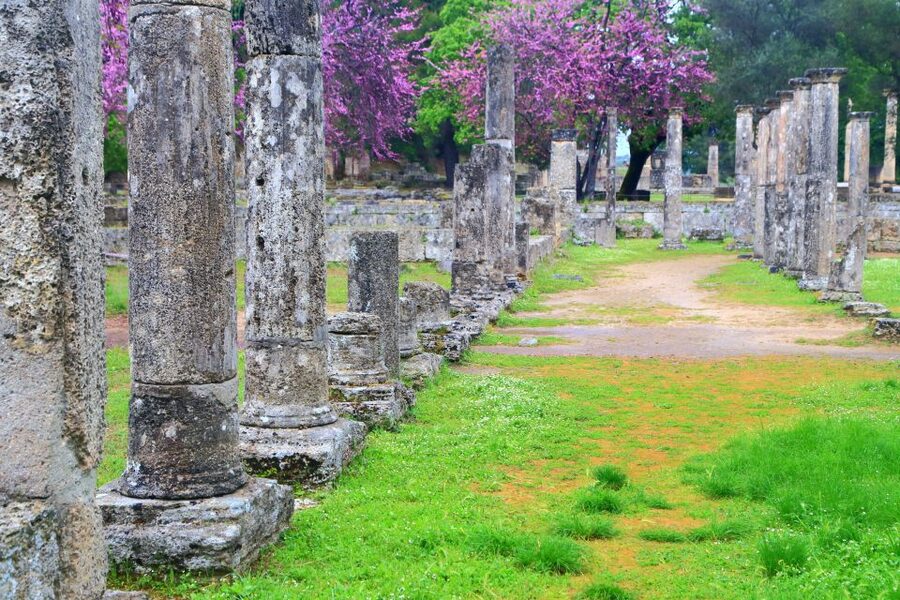
The stadium helps you understand the scale of the event. You can picture competitors entering the track and spectators gathering along the sides, even though the surviving site is much quieter today. The Doric columns of the temples are another useful contrast with Mycenae. Here you see the architectural language most people associate with classical Greece.
The Archaeological Museum of Olympia sits directly opposite the ruins. It contains objects excavated from the site, and the museum visit is important because many of the most detailed artistic pieces are no longer outdoors. The tour includes the entrance fee and a guided visit, although you may want to use any free time for the exhibits your guide does not cover.
Plan for heat. One visitor described spending about three hours at Olympia in temperatures around 35 degrees Celsius, moving from patch of shade to patch of shade. That is not unusual for an open archaeological site in summer. A broad hat, sunglasses, sunscreen, water, and a small umbrella can make the difference between an enjoyable visit and a tiring one.
The afternoon road journey is part of the experience, though not a substitute for sightseeing. You leave Olympia for Rion, cross the Corinthian Bay on the new bridge to Antirion, and then follow the coastal road toward Delphi. Nafpaktos, a charming small harbor city, appears along the way.
The bridge crossing is a striking modern counterpoint to the ancient sites. It also shows why a vehicle-based tour is useful here. You move from the western Peloponnese to central Greece without arranging separate ferries or bus connections.
The schedule includes an overnight stay in Delphi, with a stop in the mountain village of Arachova before arrival. Arachova sits on the slopes of Mount Parnassus and gives you a short look at a mountain community rather than another major ruin. It is a welcome change after a morning among stones and museum cases.
Hotel standards are not perfectly uniform. Some three-star stays have been praised for comfort and location, while one Delphi hotel was described as worn and in need of repair, including a faulty toilet and tired carpets. If accommodation quality is central to your trip, the four-star option may be worth considering, though the exact hotel can be confirmed only closer to departure.
Day Three: Delphi and the return to Athens
Delphi is the emotional high point for many people on this route. The sanctuary climbs the slopes of Mount Parnassus, and the views over the valley give the site a sense of height and isolation that Olympia does not have.
Ancient Greeks regarded Delphi as the center of the world. Its religious story reaches back to Gaia, or Mother Earth, and the Python dragon, who was killed by Apollo. Your guide explains how Apollo’s worship took over the sanctuary and how the Oracle became one of the ancient world’s most influential sources of advice.
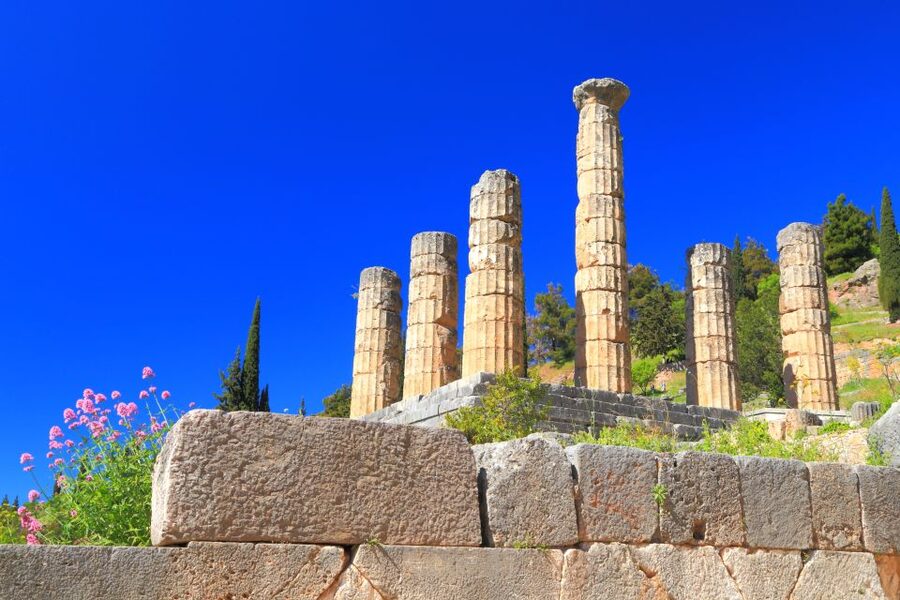
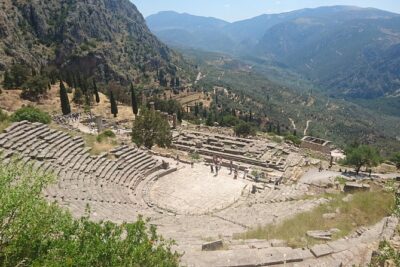
The Temple of Apollo is the main focus. Much of it is ruined, but the surviving foundations and columns let you read the slope and understand how the sanctuary was organized. Sacred treasuries, processional routes, and monuments once crowded this hillside.
The theater is higher up and could hold as many as 5,000 spectators. From its seats, you see both the performance space and the valley beyond. It is a beautiful place, but reaching the upper parts means walking uphill on uneven surfaces. Take your time and do not treat the guide’s pace as a race.
The Archaeological Museum of Delphi adds detail to the outdoor visit. It holds artifacts and relics connected with the sanctuary, allowing you to see sculpture and objects at close range rather than trying to interpret every fragment outdoors. The museum is especially helpful if the ruins initially seem like piles of stone. Several guides on this tour have used drawings, photographs, and reconstructed images to show how the buildings may once have looked.
Delphi can also be hot and exposed. The site is on a slope, and shade is limited in places. The best guides build in pauses and find shaded spots for explanations. Guides such as Marianna Tsigaridou and others have been praised for combining mythology, archaeology, and clear directions without losing control of the group.
After Delphi, you return to Athens through the vine and olive tree-covered hills of Parnassus and the Valley of Phocis. This final drive is long, but it gives the guide room to connect the three main sites. Mycenae represents a much earlier heroic age, Olympia centers on sacred competition, and Delphi centers on prophecy and Apollo. Seeing them together helps you understand that ancient Greece was not one single culture frozen in one period.
Same city, a completely different century:
- Athens: Acropolis & up to 5 Archaeological Sites Combo Pass
★ 4.4 · 12,619 reviews - Athens: Acropolis Ticket with Optional Audio or Live Guide
★ 4.2 · 11,055 reviews - Athens: Acropolis, Parthenon & Acropolis Museum Guided Tour
★ 4.8 · 9,316 reviews - Athens: Cape Sounion & Poseidon Temple Sunset Half-Day Trip
★ 4.8 · 8,241 reviews
The guides can make or break the experience
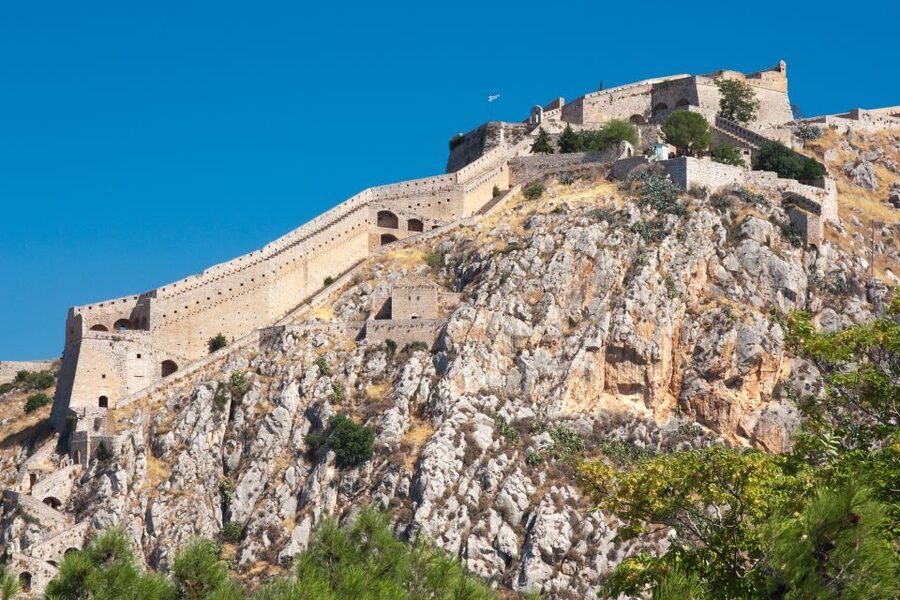
This route depends heavily on the guide. The sites are large, sometimes fragmentary, and full of names that can blur together after several hours. Guides including Anna, Marianna Tsigaridou, Mando, Dimitris, Christina, Evangelist, and Maria Anna have been praised for clear instructions, strong English, mythology, archaeology, and a good sense of humor.
The strongest guiding style on this tour appears to be a mix of explanation and free time. You receive a walk-through of the important monuments, then can take photographs, sit in the shade, or inspect a museum independently. That balance is better than being talked at continuously.
There can be changes between groups at major sites, and one booking described transfers between groups as confusing. Listen carefully for meeting points and departure times. The group at Mycenae or Delphi may not be exactly the same size as the group on the bus.
Transport, meals, and the pace of three days
The included vehicle is a luxury air-conditioned bus, though some departures use a smaller passenger van. One small group of nine had a midsize van with air conditioning and charging ports, while another departure used a 20-seat minibus. The exact vehicle depends on the departure, but the important point is that you are covered for the long distances.
Drivers also matter. The roads around Delphi and the smaller towns can be winding, and the vehicle must handle tight streets and mountain routes. Drivers named Spiros, Thomas, Georgios, and Giannis have received strong praise for safe, capable driving.
Breakfast and dinner are included. Meals have generally been considered good and practical, with a gluten-free diner accommodated at each location. Lunch is not included, and some stops are quick, so carry a snack or be ready to order promptly.
The schedule includes regular breaks, which helps. Still, you spend a lot of time on the road. This is a good match for an energetic first visit, but less suitable if you want long afternoons in Nafplio, Olympia, or Delphi.
The tour is described as carbon neutral, an appealing feature for a road-based itinerary. You still travel by bus for three days, but the operator presents the trip as having zero carbon footprint through its environmental arrangements. If lower-impact travel matters to you, this is a useful point to weigh alongside the convenience of shared transport.
Who should book it
I would choose this tour if you want the major classical sites without renting a car or arranging several intercity connections. It suits first-time visitors who care about archaeology, Greek mythology, and seeing a lot in a short window.
It also works well for solo visitors and couples who like meeting people on a shared bus. A small group can make it easier to get to know fellow passengers, while a larger departure may offer less flexibility.
Families with older children may appreciate the stories and variety, especially if a child already likes ancient Greece. The day includes walking, hills, heat, and long vehicle rides, so very young children or anyone needing a relaxed schedule may find it tiring.
This tour is not suitable for wheelchair users. Even for mobile visitors, good walking shoes are important at Mycenae, Olympia, and Delphi.
Booking advice and final verdict
At $506, this is not a budget bus ride, but it is a fair package for three days of long-distance transport, site admissions, guided visits, two hotel nights, breakfasts, and dinners. The real value is time saved. You can see places that are awkward to connect independently, while someone else handles the roads and most of the daily logistics.
Choose the four-star option if a worn hotel room would sour the trip. Go in spring or autumn if you can, since summer heat makes the open sites much harder. Confirm pickup details, note the hotel tax, pack lunch supplies, and bring sun protection.
Book this tour if your goal is a well-explained overview of ancient Greece, with enough independent time to take photographs and look around. Skip it if you prefer slow travel, long museum visits, or the freedom to change plans. For most first visits, the combination of Mycenae, Olympia, and Delphi in three days is a strong use of time.
FAQ
What sites are included in the three-day tour?
The route includes the Corinth Canal, Epidaurus, Nafplio, Mycenae, Olympia, Delphi, Arachova, and a drive through or stop in places including Tripolis, Megalopolis, Nafpaktos, Rion, and Antirion.
Does the tour include hotel accommodation?
Yes. Two nights of accommodation are included in three-star or four-star hotels, depending on the option selected. Rooms are booked as double or triple rooms unless a separate single-room booking is made.
Are meals included?
Breakfast and dinner are included. Lunch, drinks, and personal expenses are not included. Gluten-free meals can be accommodated at the tour locations.
Is transport provided from Athens?
Yes. Air-conditioned bus transfers are included. Pickup is available from most centrally located Athens hotels on request, usually about one hour before departure. You can also meet at the supplier’s office 15 minutes before departure.
Is an English-speaking guide included?
Yes. The tour includes a live English-speaking guide. Guides explain the archaeological sites, Greek mythology, local culture, and practical meeting details.
Is the tour suitable for wheelchair users?
No. The activity is not suitable for wheelchair users. The archaeological sites also include uneven ground, slopes, and exposed walking areas.
What extra costs should I expect?
You need to pay for lunches, drinks, personal expenses, and hotel accommodation tax. The tax is €5 per room per night at three-star hotels and €10 per room per night at four-star hotels.
Freshly added Athens trips
- Athens and Ancient Corinth Private from Athens★ 5.0 · 3 reviews
- From Athens: Mycenae and Epidaurus Private Tour★ 4.8 · 3 reviews
- Full day Meteora private tour★ 5.0 · 3 reviews
- Double Shore Dive (certified divers)★ 4.5 · 3 reviews
- Athens Hills: Mythology Treasure Hunt★ 5.0 · 3 reviews
- Sunset & swimming at Cape Sounio, Poseidon temple★ 5.0 · 3 reviews
- Philosophy Experience at Plato’s Academy Park – basic version★ 5.0 · 3 reviews
- Private Acropolis Tour – Ticket Included★ 5.0 · 3 reviews
3-Day Experiences, compared.
3-Day Classical Greece Tour: Epidaurus, Mycenae, Nafplion, Olympia, Delphi
Read our review →


3 days 2 nights Meteora with small size tours & hotel
Read our review →
3 Day Private Tour in Santorini & Mykonos at the Best of Cyclades
Read our review →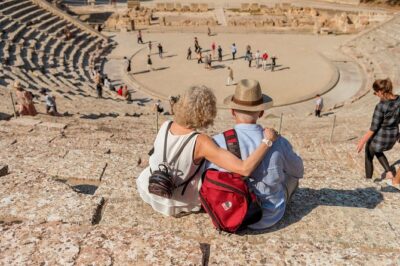
BEST 3-Day CLASSICAL GREECE: Corinth Epidaurus Olympia Delphi
Read our review →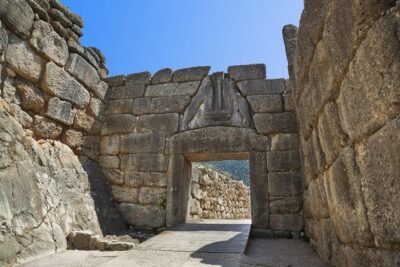
Classical Greece 3-Day Tour: Epidaurus, Mycenae, Olympia and Delphi from Athens
Read our review →Browse the lists this tour appears in